**Coen: The Reluctant Vampire of *The Blood of Dawnwalker***
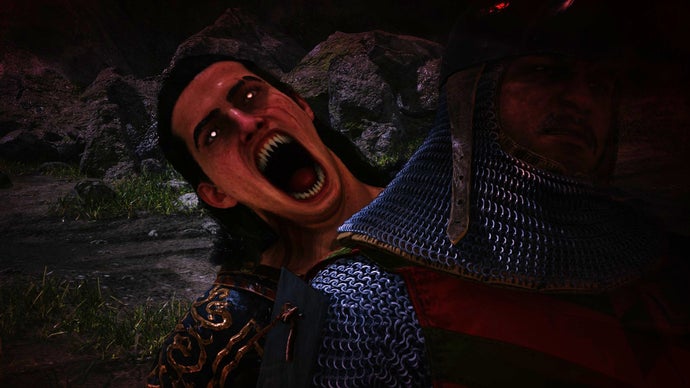
Coen, a unique half-man and half-vampire protagonist in *The Blood of Dawnwalker*, presents a compelling narrative that challenges conventional notions of morality in role-playing games (RPGs). His dietary preferences—and aversions—shed light on his inner conflict and the ethical dilemmas of being a creature of the night. Coen’s reluctance to consume rats, often depicted as his least favorite option, sets the stage for exploring the complex interplay between necessity and morality in his quest.
From the outset, Coen makes it clear that he finds the act of draining rodents distasteful. His grimace and verbal protests reflect a deep-seated discomfort with such actions, reinforcing his humanity despite his vampiric nature. The game allows players to experience this tension firsthand, as Coen’s awareness of his actions serves as a moral compass within a sandbox of choices. This narrative device diverges from traditional RPGs, where moral choices are often quantified through visible metrics or honor systems. Instead, Coen’s moral struggles are left to the player’s interpretation, encapsulated in his occasional outbursts like “This is not a nice thing to do.”
As a longtime pescetarian, the author projects their dietary ethics onto Coen’s vampiric lifestyle, seeking alternatives that are less ethically troubling. This reflects a broader discourse on food ethics and personal morality, particularly in the context of survival in a hostile world. In Coen’s case, avoiding human victims while still fulfilling his need for blood necessitates a shift to consuming wildlife—though not without its own moral implications. The juxtaposition of draining animals while avoiding humans raises questions about the value of life, the instinct for survival, and the lengths one must go to retain a semblance of morality.
In *The Blood of Dawnwalker*, the act of hunting for sustenance is stripped of the glorification often present in similar games. Instead of rewarding players for morally dubious decisions with visible gains or accolades, the game’s silence on the consequences—beyond Coen’s internal struggle—forces players to reflect on their actions. Each kill, whether it be a plague-ridden creature or a helpless foe during battles, weighs on Coen’s conscience. The absence of moral quantification underscores a more introspective approach to character development.
The narrative complexity deepens as Coen grapples with the dichotomy of his vampire powers versus his human sensitivity. His innate abilities offer considerable advantages in battle, amplifying his power but simultaneously entrenching him deeper into the very darkness he seeks to escape. This duality resonates with the notion that power can corrupt, pushing Coen further into moral grey areas as he faces the oppressors of his homeland.
The game encourages players to explore various ethical boundaries, from abstaining from certain kills to avoiding direct confrontation with human soldiers. This interaction is reminiscent of a broader philosophical inquiry into the morality of survival and the sacrifices made in its pursuit. Coen’s journey becomes not just a quest for physical survival but a poignant exploration of identity, morality, and the heavy burden of choice.
As players navigate the world of *The Blood of Dawnwalker*, they are confronted with the stark reality of adventuring from the perspective of a reluctant monster. Each rat drained, every rebellious act embraced, serves as a reminder of the cost of power and the impact of one’s choices. The game ultimately challenges players to consider whether Coen’s pursuit to save his loved ones justifies the means used and whether adherence to a personal code of ethics can coexist with the darker facets of his vampiric existence.
In conclusion, Coen’s character in *The Blood of Dawnwalker* encapsulates the struggle between necessity and ethics within the context of survival. His aversion to feeding on rats and the moral implications of draining life—whether animal or human—pose significant questions about the nature of good and evil. By stripping away traditional moral indicators and encouraging self-reflection, the game sets itself apart in a genre often marked by clear-cut right and wrong, transforming Coen into a reluctant anti-hero shaped by circumstance and choice.