**The Tetris Company Reacts to Controversial Parody Game “Build the Wall”**
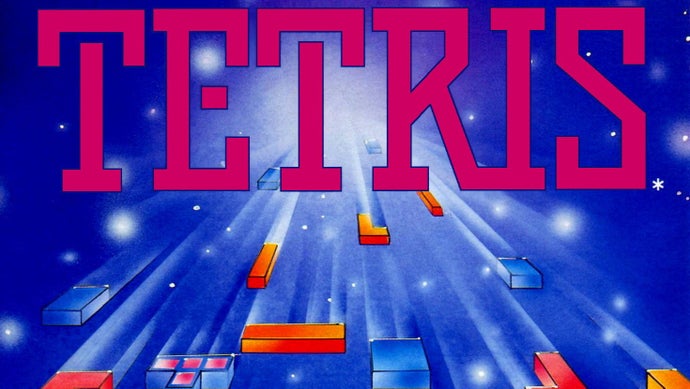
In a notable public statement, the Tetris Company has criticized the US government’s release of a parody game titled “Build the Wall.” This game, described as a parody of the classic Tetris, aims to echo the Trump administration’s aggressive rhetoric surrounding border security with an unusual twist: players work to stack bricks to repel invading zombies.
Unlike traditional Tetris, where the objective is to clear lines of blocks, “Build the Wall” shifts the focus to matching colored blocks to vanquish zombies of the same hue. It debuted amidst a collection of other parody games that poke fun at classic titles like Snake and Flappy Bird, all aligning with a distinctly pro-Trump narrative. These games have also stirred the creativity of developers wishing to create a more light-hearted, albeit controversial, take on political themes.
In their response, the Tetris Company emphasized their commitment to unity, stating, “At Tetris we believe in the power of connection and bringing people together, not dividing them.” The company made it clear through their Instagram that they had no involvement in the development of “Build the Wall” and are serious about protecting their intellectual property, signaling potential legal action for copyright infringement.
The emergence of such parody games, especially those that incorporate nostalgia in a politically charged context, raises questions about the intersection of gaming culture and contemporary politics. Critics point out that these games seem designed not just as entertainment, but as a way to engage with and manipulate the gaming community’s sentiments. They tap into a demographic that might resonate with nationalistic themes, aiming to attract players who possess a blend of nostalgia and political alignment.
Further exploration indicates that these games might be part of a broader strategy by the White House to engage with younger audiences, utilizing familiar gaming motifs to promote divisive political messages. This strategy may stem from an understanding that there exists a segment of the gaming community willing to embrace ideologies that resonate with their gameplay experiences.
As discussions about the implications of such games continue, many wonder about the cultural messaging within them. Reflecting on personal experiences with Tetris from years past, one might be compelled to question how far gaming has strayed from its pure entertainment roots, now being harnessed to push specific political agendas.
The Tetris Company’s response, underscoring a philosophy of connection, serves as a reminder of the original intent behind the game’s creation and highlights the potential ramifications of political influence in gaming. As this conversation develops, it may further illuminate the realities of how nostalgia and modern politics intertwine within the gaming world.