# World End Syndrome: An Intricate Visual Novel Adventure
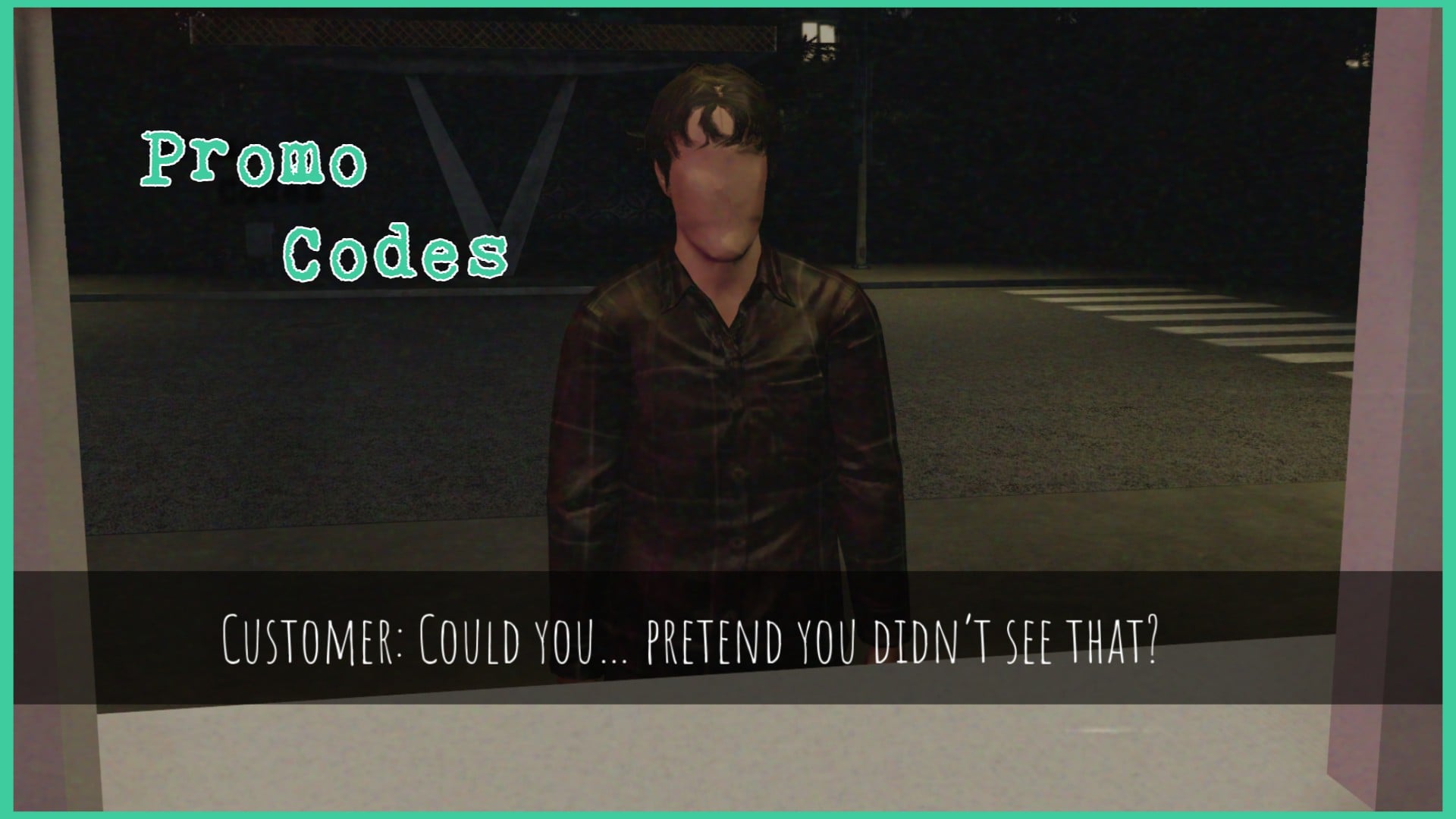
**World End Syndrome** is a visually stunning visual novel that weaves together elements of mystery, personal identity, bullying, and supernatural romance. Taking place in the imaginary city of Mihate, the story unfolds as the deceased rise again, urging players to delve into its rich lore and character dynamics. The game features well-crafted characters and captivating dialogue but is hampered by gameplay mechanics that may render exploring the narrative feel tedious.
## Rescuing The World One Date At A Time
Experiencing the Switch version without previous exposure to the game, one might expect a doomsday storyline. Although the legends of Yomibito, entities that resurrect every century, set a dramatic scene, the main plot revolves around individual experiences within the seaside town of Mihate. The main character pursues romantic options with five students, starting with three accessible initially. On the surface, these characters might seem to embody well-known anime clichés, yet as interactions progress, their narratives become richer and more significant.
In **World End Syndrome**, the city becomes accessible after an extensive introduction, giving players the freedom to select their locations, be it the school, beachfront, or local coffee shops. Nevertheless, the lack of markers to direct players toward particular characters may result in frustrating detours, as time continues to pass regardless of player engagement. This design choice demands frequent saving and reloading, which detracts from the immersive experience. Rather than heightening tension, it often proves cumbersome, forcing players to backtrack to locate characters before the conclusion of August—a choice that restricts player freedom.
One notable character, Saya, is portrayed as a seemingly haughty member of the prestigious Kamashiro family. As players delve into her storyline, layers of her character emerge, revealing her struggles with self-identity and acceptance. Initially depicted as distant, she slowly unveils her vulnerabilities, particularly when confronted with her intricate family history. However, her narrative is weighed down by early interactions that come across as superficial, making it difficult to fully appreciate the impactful development that follows.
Sadly, Saya’s relationship with the protagonist meets a disastrous fate, leaving players confused about the decisions they’ve made. To truly understand the story, players must embark on multiple playthroughs, often feeling their choices lack significance. Only by exploring different relationships can players access the authentic narrative pathway linked to Miu, the character essential for unearthing Mihate’s secrets.
Miu’s narrative uncovers her ties to the Yomibito curse and her exceptional ability to perceive the auras of others. The climax of her journey unveils startling truths about Mihate and the protagonist’s true nature, culminating in a story that warrants the effort involved in piecing it together. However, many players may experience frustration due to game mechanics that seem crafted to hinder direct engagement with the primary storyline.
## With Friends Like These
A major hindrance to fully enjoy the narrative lies in the character Kensuke, whose role is meant to provide comic relief but often distracts from the serious themes at play. His antics, which include inappropriate conduct towards female peers, starkly contrast with the protagonist’s somber history as a recent survivor of personal loss and bullying. This contrast undermines the gravitas of the serious narrative threads and weakens the emotional resonance of the protagonist’s journey.
Kensuke’s unending interruptions disrupt the story’s flow and coherence, as his presence often clashes with overarching themes of trauma, guilt, and the pursuit of meaningful relationships. The crux of the “world end syndrome” theme illustrates the traumatic changes individuals undergo when faced with loss and societal harshness. Kensuke’s character frequently reduces these profound themes to mere jokes, diluting the emotional depth the game aims to convey.
In conclusion, **World End Syndrome** offers a visually captivating and narratively compelling experience, yet its unwieldy gameplay mechanics and character selections limit its potential. While the game ultimately guides players through an intriguing storyline, the need for multiple playthroughs and the existence of a problematic character detract from the overall satisfaction. Despite the hurdles, the thoughtfully crafted writing and character developments allow for a meaningful exploration of identity and relationships, as long as players can navigate the intricacies of its design.