### Suikoden III: A Hidden Treasure in the Suikoden Franchise
**Introduction**
*Suikoden 2* is a linchpin of the JRPG realm, acclaimed for its engaging storyline and character-focused arcs. While its predecessor, *Suikoden 1*, occupies a cherished spot in gamers’ memories, *Suikoden 3*, which debuted in 2002 for the PlayStation 2, frequently goes unrecognized despite presenting a detailed and complex narrative that delves into the intricacies of war, truth, and authority. Many regard it as one of the finest JRPGs on the PS2, not merely for its storytelling but also for its groundbreaking gameplay mechanics.
—
### A History of Conflict
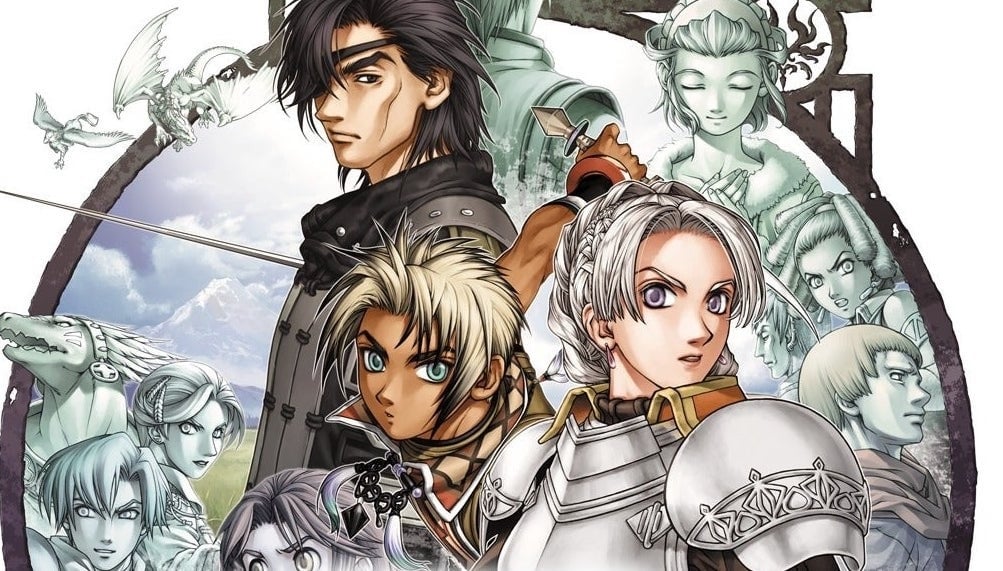
The *Suikoden* series is often described as a “Leadership Simulator draped in JRPG attire.” This motif continues in *Suikoden 3*, embracing the Trinity Sight System, which allows players to experience the narrative from various viewpoints. Players can navigate the stories of three main characters—Hugo, Chris, and Geddoe—each of whom plays a role in a broader saga about the strife between the Grasslanders and the Zexen Federation.
This installment shifts away from the conventional good-versus-evil storyline found in earlier entries, opting instead for a more intricate portrayal of conflict, where antagonists have their own versions of truth. The story illustrates that history isn’t just a chain of occurrences but a complicated fabric woven from misunderstandings and differing viewpoints.
### The Grasslander-Zexen Struggle
The setting of *Suikoden 3* revolves around a conflict between the Grasslanders, a collection of clans, and the wealthy Zexen Federation. Hugo, one of the main characters, starts out as an enthusiastic youth and soldier. His journey takes a grim twist when he inadvertently gets caught up in the war, showcasing the dire repercussions of the political maneuvers involved.
As events unfold, Hugo’s attempt to convey a message of peace leads him back to a village ravaged by conflict. The heart-wrenching moment when his closest friend Lulu is killed by Chris—another protagonist—captures the game’s core theme: the indistinct line between ally and enemy during wartime.
### The Shift in Viewpoint
What genuinely distinguishes *Suikoden 3* is its distinctive narrative design, where each main character’s perspective adds richness and depth to the plot. Chris, initially viewed as an antagonist from Hugo’s standpoint, emerges as a complex figure wrestling with her part in the conflict. Her segments delve into the moral ambiguities of war, revealing her battles against her superiors’ demands, glimpses of remorse, and the harsh truths of her role in the Zexen army.
Geddoe, the third main character, further enriches the narrative, unveiling the connection between events involving all characters and offering additional clarity regarding the ongoing conflict. His storyline overlaps with both Hugo and Chris, emphasizing themes of governance and sacrifice.
### Integration of Gameplay and Narrative
While the story excels, the gameplay in *Suikoden 3* presents a mixed experience. The arrival of a streamlined node-based travel system may result in monotonous backtracking, potentially hindering the game’s overall flow. The combat mechanics also differ from previous titles, focusing on partnered battles that, while inventive, might not suit every player familiar with the original style.
Regardless of these gameplay choices, the task of recruiting characters—one of the series’ defining features—remains captivating. The inclusion of Thomas, a side character embodying the civilian viewpoint on war, enhances the overarching narrative and allows players to engage with themes of systemic corruption and ethical obligation.
### The Journey for the Flame Champion
A key storyline revolves around the quest for the Flame Champion, a Grasslander hero who previously defeated a great evil. The decision of who becomes the new Flame Champion—Hugo, Chris, or Geddoe—shapes the latter segments of the game. Each choice unveils different aspects of the narrative, illustrating how personal biases and histories intertwine to create a more intricate comprehension of heroism.
Within the character-driven plots, players encounter numerous themes such as leadership, manipulation, and the pursuit of truth. The relationships among characters develop intricately, often influenced by their previous actions and the ongoing strife, crafting a compelling narrative that questions the notion of heroism.
### Conclusion
*Suikoden 3* is a title that warrants greater acclaim for its robust storytelling and inventive narrative structure. Its capacity to investigate the gray areas of morality in warfare through varying viewpoints offers players a profound comprehension of the ramifications of leadership and the cyclical nature of history. Although the gameplay mechanics may not resonate with every player, the story’s emotional impact and thematic richness make *Suikoden 3* a remarkable entry in the JRPG landscape and an essential chapter of the *Suikoden* heritage.