### Goodbye, Build the Wall: The Removal of a Controversial Game from the White House Website
In an unexpected turn of events, the game “Build the Wall,” which was prominently featured on the White House website, has been removed following backlash from the gaming community and potential legal action from the Tetris Company. Initially created to symbolize the Trump administration’s hardline stance on immigration and border security, the game faced criticism for its themes of division and persecution against immigrants.
#### Unveiling “Build the Wall”
The Tetris-style game allowed players to stack bricks along the Southern border to “repel invading zombies.” This premise quickly drew controversial parallels to real-world immigration issues and policy enforcement under President Trump’s administration, which was marked by aggressive deportation practices.
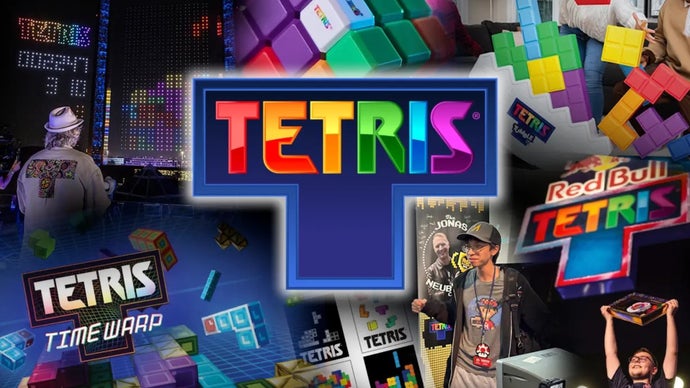
The Tetris Company, upon discovering the usage of their franchise’s style without consent, expressed their disapproval through an official statement. They emphasized their commitment to unifying communities rather than dividing them and affirmed that they had no part in the creation or endorsement of “Build the Wall.” The statement also highlighted that copyright infringement is taken very seriously, suggesting the administration faced significant pressure to terminate the game.
#### The Aftermath
After the swift backlash and the Tetris Company’s distancing, “Build the Wall” was quietly removed from the White House’s arcade section, which now hosts alternative parody games including “Flappy Bill,” “Rio Run,” “Supply Line,” and “Trump Savings Tycoon.” The removal marks a significant shift in how the government engages with pop culture and video games, reflecting a growing awareness of public sentiment regarding media portrayal of sensitive topics, particularly immigration.
However, the White House arcade is not entirely devoid of contentious themes, as other games still reside on the site. The continued presence of these parody games raises concerns about the potential for future political agendas being funneled through gaming platforms, especially those targeting younger audiences.
#### Future of Political Gaming
The incident serves as a noteworthy case study on the intersection of politics and gaming. It signals that while video games can be used as tools for engagement and entertainment, they can also provoke significant backlash when they tread into politically charged territory. The concept of using games to promote certain policies may be tempting for political figures, yet the response from players and companies alike can be unpredictable.
As the White House awaits the unveiling of a new mystery game, the gaming community watches closely to see how the administration will navigate this complex landscape in the future. In the meantime, “Build the Wall” stands as a cautionary tale of how political narratives can be perceived and the ramifications that follow when entertainment blurs with divisive rhetoric.
### Conclusion
The removal of “Build the Wall” from the White House website marks not only the end of a controversial game but also highlights a critical moment in the ongoing discourse about the role of media in shaping public opinion on immigration and border security. Video games, while a source of joy and creativity, also have the power to amplify messages—messages that, when not carefully curated, can lead to backlash and unintended consequences in the political arena.