### The Touhou Project: A Unique Multimedia Phenomenon
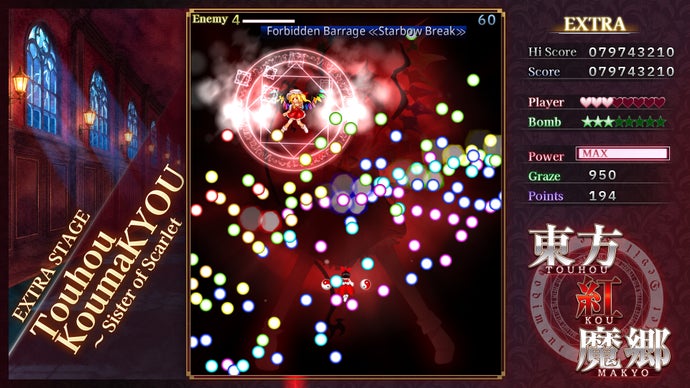
The Touhou Project is often described as Schrödinger’s shoot-em-up series, epitomizing both a robust cultural phenomenon and an underappreciated gem. With over two decades of history and a portfolio of approximately twenty main entries—excluding numerous spinoffs—the series has cultivated one of the most engaged fan communities in gaming history. It achieved new milestones with the release of its first official remake, titled **Touhou Koumakyou: New Classic**, which revamps the foundational 2002 game, **Touhou Koumakyou: The Embodiment of Scarlet Devil**.
#### The Remake: Touhou Koumakyou: New Classic
**Touhou Koumakyou: New Classic** is the result of a collaboration between ZUN, the original creator and solo developer of the series, and various developers who have contributed to notable Touhou fangames. This remake features both a remastered soundtrack and several enhancements, including a new game stage and updated character artwork, while maintaining the whimsical essence that fans cherish. Players once again step into the roles of a shrine maiden or a character known as a “kleptomaniac witch,” facing off against a troublesome vampire obstructing sunlight—for a humorous twist reminiscent of Mr. Burns from The Simpsons.
Being the first version of *Embodiment* to be available on Steam, this game comes with a full English translation, a rare feature for earlier titles in the Touhou series. The gameplay showcases signature bullet hell mechanics with beautiful 2D graphics, providing a visually engaging experience paired with an evocative soundtrack featuring catchy melodies and trumpet tunes.
#### Cultural Richness and Themes
Touhou is characterized by its diverse character roster, many of whom draw inspiration from a medley of folklore across both Asian and Western traditions. The array of bosses—from vampires to Shinto deities and figures from classic literature—creates an opportunity for players to engage with cultural narratives while navigating intense gameplay.
While earlier games in the series revolved around straightforward plots centered on thwarting villains, the more recent entries have delved into complex themes, including allegories that critique contemporary issues such as fossil fuel reliance, cryptocurrency, and artificial intelligence. This evolution marks the series’ growth from simple shoot-em-up origins to thought-provoking storytelling.
#### Community Engagement and Fanworks
One of Touhou’s most distinguishing features is its openness to fan creations. The developer, ZUN, allows for commercial fanworks under a set of guidelines, fostering an ecosystem of creativity that encourages fan engagement. This openness has spawned a plethora of unofficial projects, among which **Touhou: Luna Nights**, a Metroidvania, is particularly notable and remains a beloved choice within the fan base.
For those who may find the intense bullet patterns of the shmup remake to be overwhelming, exploring these fan creations can provide a more accessible entry point into the vast Touhou universe.
### Conclusion
The Touhou Project stands as a remarkable example of a franchise that transcends conventional gaming boundaries. With its blend of engaging gameplay, cultural exploration, and rich community involvement, it appeals to a diverse range of audiences. Whether you’re a seasoned fan or new to the series, **Touhou Koumakyou: New Classic** presents a fresh opportunity to experience this intriguing multimedia juggernaut.