**The Conclusion of a Chapter: Polyarc Bids Farewell After an Innovative Journey in VR**
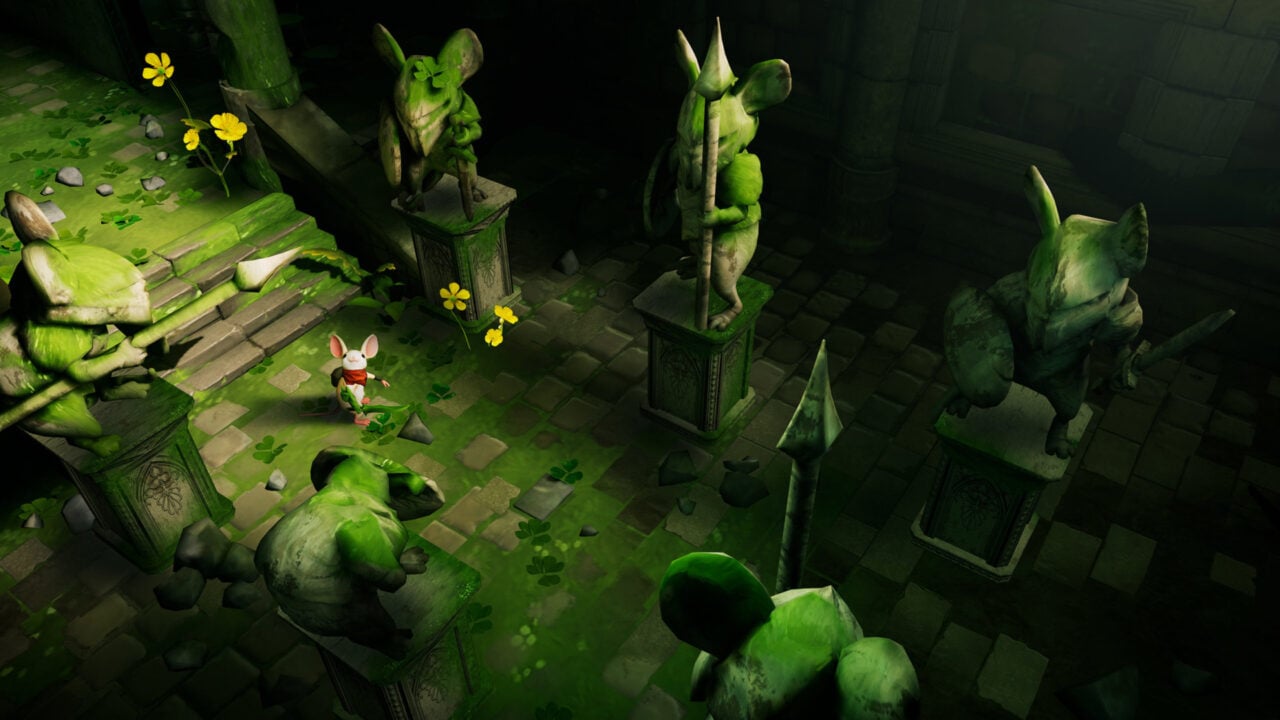
In 2016, the virtual reality scene was notably transformed with the debut of PlayStation VR, which introduced fresh immersive experiences to gaming fans. Jump ahead two years, and Polyarc’s development team welcomed players into a delightful puzzle fantasy adventure named *Moss*, showcasing the lovable character Quill. The game not only enchanted its audience but also received nominations for various awards, securing its position in the VR domain as a testament to the medium’s capabilities beyond simple gimmicks.
Following the triumph of *Moss*, Polyarc broadened its narrative landscape by launching a sequel and considering the potential for non-VR adaptations. However, a recent update from the studio announced that after nearly 12 years of creating unforgettable gaming experiences, Polyarc is shutting down. The team conveyed via LinkedIn, “After nearly 12 years experiencing the exhilarating rollercoaster of emotions that is making video games, our journey together has reached its conclusion.” This expression reflects the culmination of years filled with creative milestones and obstacles.
The studio continued, highlighting the privilege of collaborating as a team and the joy of entertaining players. As they prepare to conclude operations, Polyarc conveyed appreciation for their tenure in the gaming field and offered support to their skilled developers in search of new ventures.
Even with notable releases like *Moss: Book II*, which earned the title of best VR game at The Game Awards 2022, the broader virtual reality market has shown to be harsh. The advancements in VR technology have not resulted in a larger audience or greater acceptance of VR gaming when measured against traditional platforms. While some key players like Valve keep pushing the envelope in headset technology, others, such as Meta and PlayStation, have reduced their focus on VR development.
Earlier this year, Polyarc unveiled a 2D adaptation of the *Moss* games for standard television screens, though players remarked that much of the initial enchantment was lessened in the transition. The ongoing challenge to bridge the divide between VR and mainstream gaming is clear, as immersive experiences are often difficult to replicate outside of VR settings.
As the gaming community looks back on Polyarc’s contributions, prominent figures like former PlayStation executive Shuhei Yoshida honored them, commenting on social media, “Goodbye Polyarc, you (and Quill) will be remembered. We had fantastic times together.” This recognition captures the fondness shared between the studio and its fans, signifying the close of a significant journey in virtual reality game creation.
The closure of Polyarc marks an important moment in the development of VR gaming, where the potential for immersive storytelling and innovative gameplay is contrasted with the harsh truths of market conditions. As the industry continues to change, the legacy of Polyarc and titles like *Moss* will persist, inspiring future projects in the virtual reality space.