**Takaya Imamura: Navigating the Debate of AI in Video Game Creation**
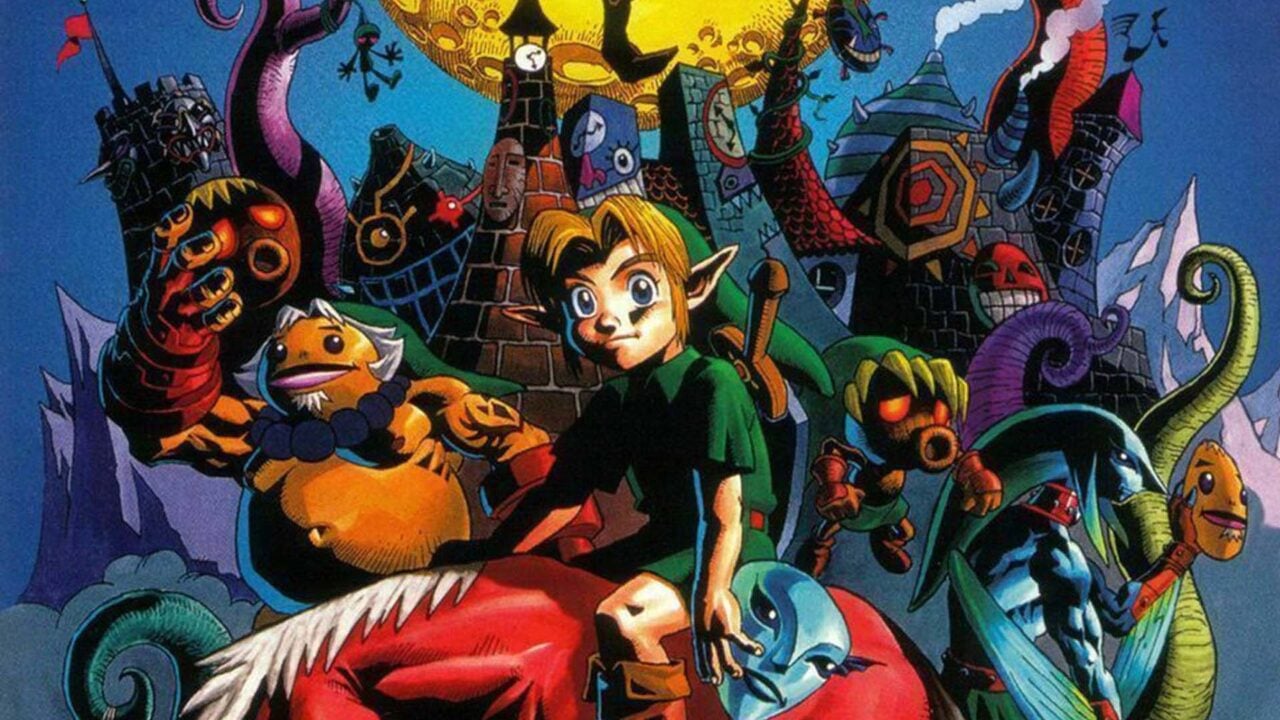
Takaya Imamura stands out as a key player in Nintendo’s video game development scene, recognized for his important roles in cherished franchises. Serving as a graphic designer for the original *Star Fox*, a character designer for *F-Zero: Climax*, a supervisor for *Super Smash Bros. Brawl*, and an art director for *The Legend of Zelda: Majora’s Mask*, Imamura’s remarkable body of work illustrates his significant influence on game design and narrative.
Recently, Imamura delved into the budding domain of generative AI, seeking to harness it as a resource in video game production. His choice to investigate AI-driven game design incited considerable pushback online, particularly from the Japanese gaming sector. This backlash emphasizes an increasing apprehension regarding the ethical ramifications of AI in creative fields, especially in Japan, where traditional craftsmanship and artistry values hold strong.
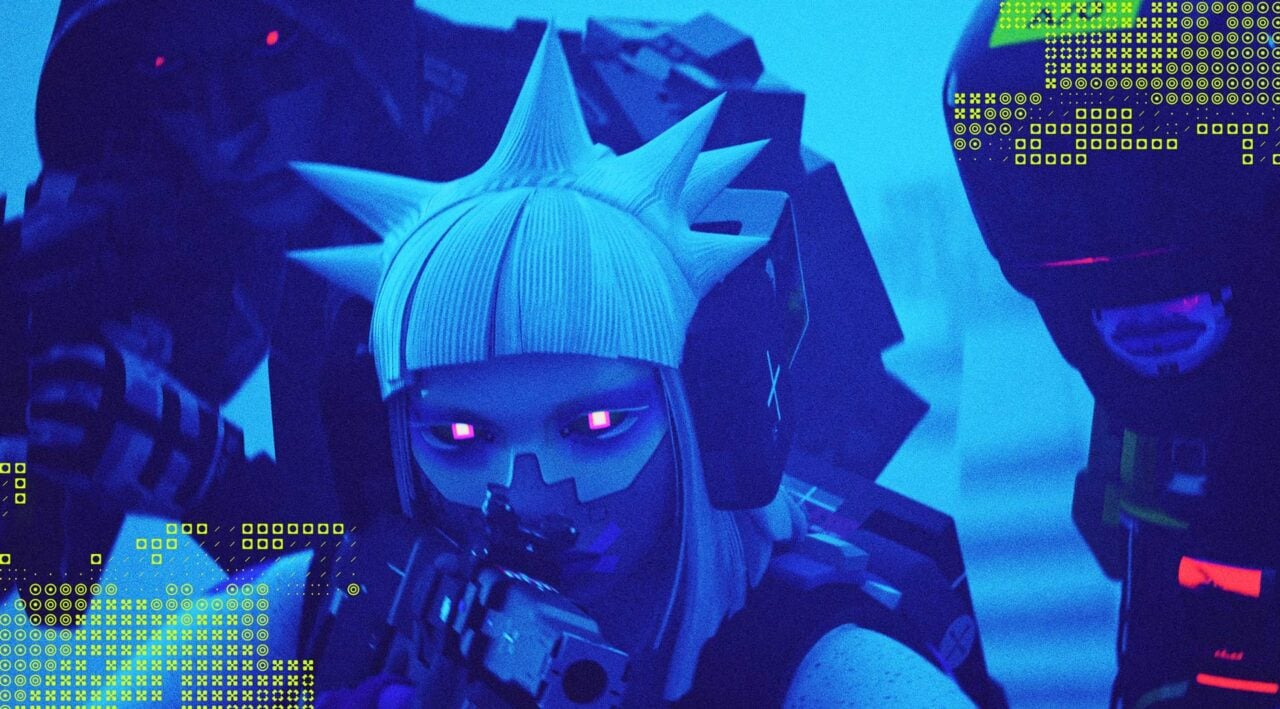
Imamura’s early engagement with AI involved posting images of a prototype 3D shooter he created with AI support on X (formerly Twitter). In his remarks, he conveyed excitement about the collaborative experience with AI, likening it to the creative interactions he had with programmers during past game development phases. He noted, “Exchanging ideas with the AI brings back memories of the times I used to create games while brainstorming.” This viewpoint resonates with many developers who perceive AI as a means to boost creativity and enhance the development workflow.
Nevertheless, Imamura’s announcement did not sit well with all enthusiasts. A surge of criticism followed, with numerous users warning that utilizing AI, which frequently depends on reinterpreting existing information, could undermine credibility and provoke negative repercussions for the industry. One significant reply cautioned that such actions might tarnish his company’s reputation, drawing comparisons to prior controversies encountered by similar organizations.
To address his intentions, Imamura recognized the critics’ apprehensions, stating, “However, given my profession, AI is something I simply can’t overlook, so I’m trying it out as an experiment.” He clarified that his aim was not to produce a fully-realized game but to investigate AI’s potential as a supportive tool in generating game ideas.
The dialogue surrounding Imamura’s experimentation indicates a wider discussion within the gaming community about AI’s role in creative domains. The contrasting reactions, especially the intense critiques from Japanese audiences, imply that cultural attitudes toward AI’s use in gaming may vary significantly across different regions. While gamers in certain areas may welcome AI-oriented advancements, those in Japan appear more reserved, reflecting deeper principles associated with originality and artistic fidelity.
In conclusion, Takaya Imamura’s journey highlights a pivotal moment in the changing environment of game development where classic artistry intersects with cutting-edge technology. His exploration into AI experimentation, met with both intrigue and skepticism, emphasizes the intricacies of incorporating artificial intelligence into creative endeavors and the varied responses it provokes from audiences worldwide. As discussions about AI in gaming progress, the impact of these technologies on the future of game development and the diverse reactions they generate remain to be seen.