**Marvel’s Wolverine: An In-Depth Look at Gameplay and Mechanics**
The highly awaited game, *Marvel’s Wolverine*, has recently encountered mixed feedback, prompting discussion among the gaming community regarding this PlayStation first-party title. While some players were eager for the project led by Insomniac Games, the responses have underscored both its merits and its shortcomings.
**Gameplay Experience**
A significant takeaway from reviews is that while the mechanics of *Wolverine* are gratifying, the gameplay can veer into repetitiveness. Critics pointed out that the game heavily relies on its narrative, which seeks to balance multiple plotlines and character developments. The combat system excels with dynamic and smooth animations, allowing players to engage with Logan’s impressive capabilities. Nevertheless, this enjoyment is frequently cloaked by a feeling of monotony, suggesting that the game may struggle to maintain interest over long play sessions.
A prominent highlight is the graphic portrayal of violence, which is noticeably more intense compared to Insomniac’s earlier work in the *Spider-Man* franchise. Logan’s near-invulnerability permits the game developers to craft combat scenarios that embrace bloodshed and ferocity. Players should anticipate a remarkable level of visual detail, making hit reactions and gore integral components of gameplay.
**Character Design & Animation**
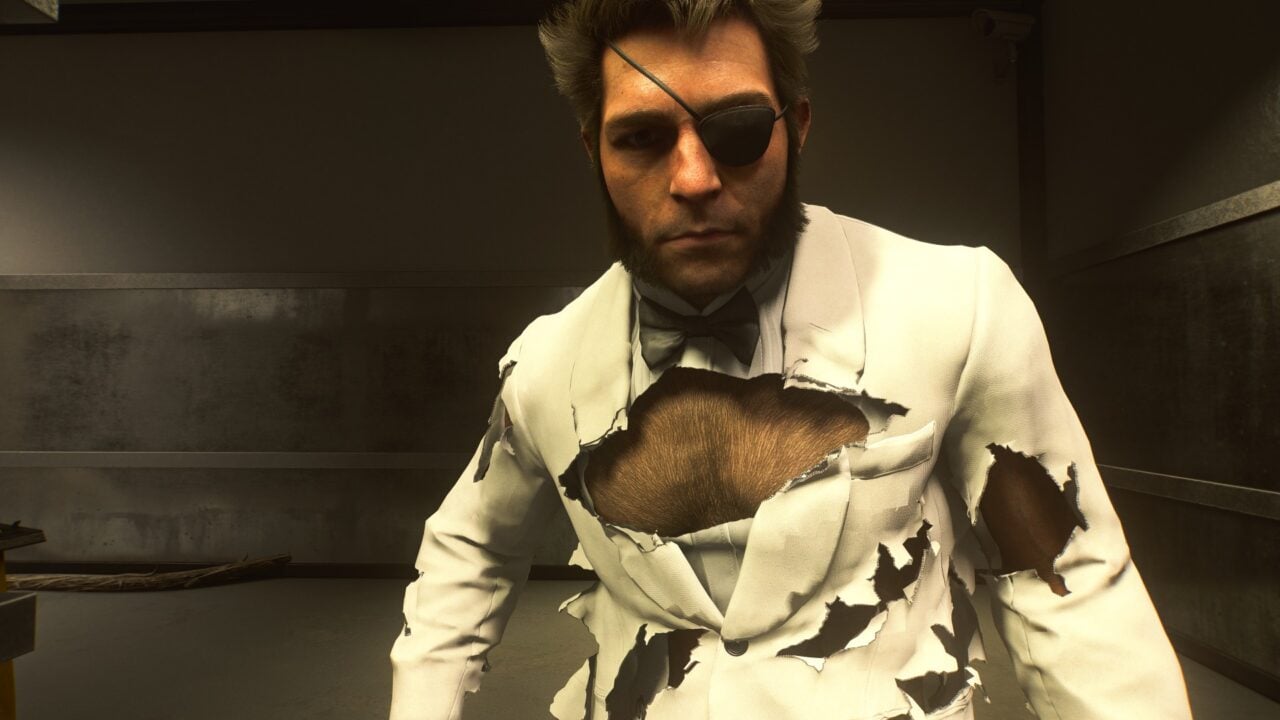
Another significant element of *Wolverine* is its careful attention to detail, especially in character design. The game honors Logan’s essence, showcasing his rugged and hairy form, a depiction that has been captured with great precision. Players will observe how each instance of damage to Logan’s attire differs across his wardrobe. Combat situations frequently lead to torn garments, highlighting an engaging interplay between Logan’s clothing and his ferocity.
Insomniac has opted for Logan’s costume to regenerate over time during gameplay. The reasoning behind this choice is to uphold an aesthetic that reflects his character’s strength rather than a disheveled look. As noted by the developers, leaving Logan in shredded remnants for extended durations would detract from the power fantasy that players seek.
**Technical Elements of Damage and Clothing**
The focus on detail extends to a distinctive damage system concerning Logan’s clothing, where various outfits react differently to the environmental violence present in the game. This mechanic enriches realism and contributes to the storyline, offering players a visual representation of the toll combat imposes on Logan. Each clothing option seems imbued with themes of resilience and durability, characteristics inherent to the Wolverine character.
The game encapsulates Logan at his essence—a tough, gritty combatant who may be physically marred yet remains steadfast. This design choice, combined with the sophisticated coding of his animations, enhances the immersive experience, drawing players into Logan’s confrontations while keeping them captivated with dynamic visual storytelling.
**Conclusion**
Although a narrative that may wane under its ambitions, *Marvel’s Wolverine* has effectively delivered an engaging combat experience enhanced by strong graphical fidelity and character detailing. Insomniac Games continues to elevate their storytelling through intricate animation and design, though critiques regarding gameplay repetition serve as a reminder of the hurdles encountered in developing expansive games. Whether players desire a visceral power fantasy or a journey through Wolverine’s narrative, *Wolverine* demonstrates notable efforts in harmonizing gameplay with meticulous design, affirming Insomniac’s status as a significant contender within the gaming industry.