**Title: Finding Paths Through the Terrain of Adaptation: A Closer Look at *Sekiro: No Defeat***
*Sekiro: Shadows Die Twice*, launched by FromSoftware in 2019, represented a notable shift from the studio’s well-known medieval fantasy motifs, stepping instead into a realm influenced by ancient Japan. Collaborating with the Western label Activision, FromSoftware adopted a more action-oriented narrative aimed at a wider audience. At its essence, the game narrates the journey of Wolf, a one-armed samurai committed to safeguarding Kuro, the heir of the Ashina clan, from the malevolent Genichiro, who wishes to harness Kuro’s eternal blood.
The recent unveiling of an anime adaptation at Gamescom sparked enthusiasm among fans eager to witness the captivating story reimagined in a fresh format. This adaptation, named *Sekiro: No Defeat*, is available in two versions: a cinematic film and an anime series, promising to introduce the poignant tale of sacrifice and fidelity to a larger viewership.
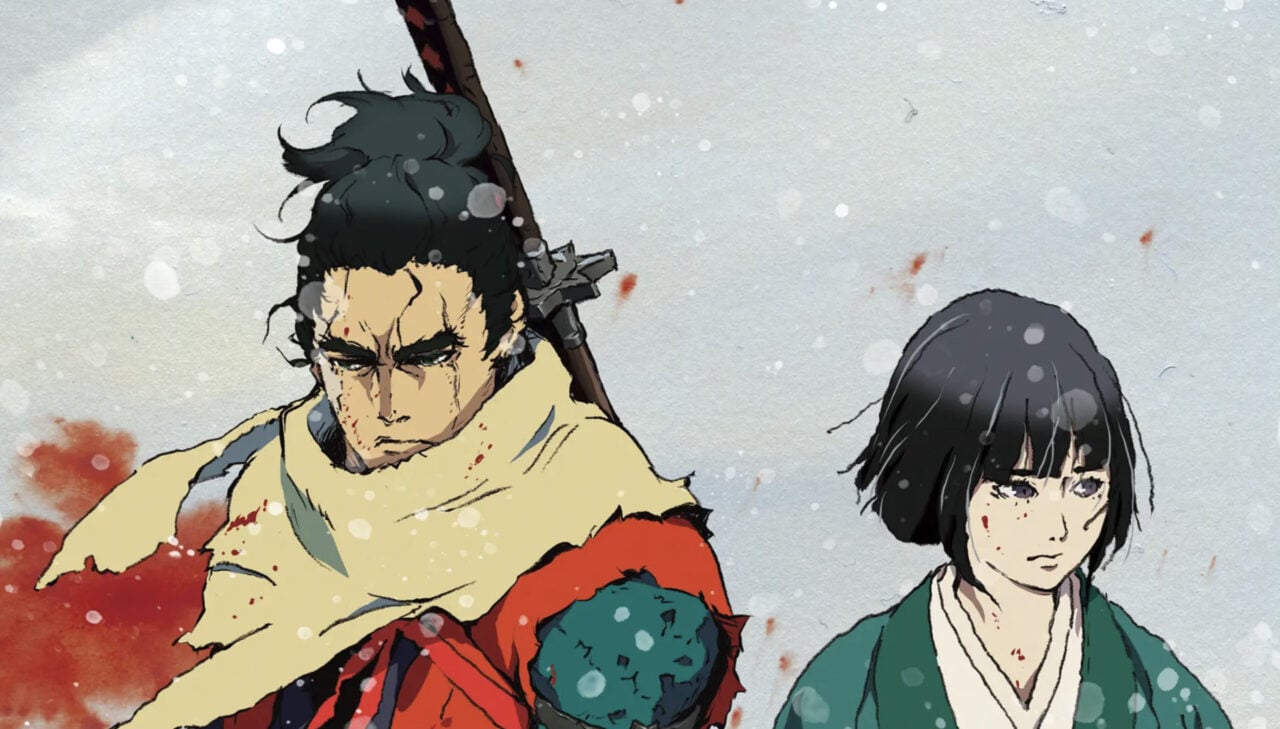
Nonetheless, initial reactions to the film indicate a divided response. *Sekiro: No Defeat* presents itself as an independent vision rather than a direct retelling, showcasing a unique visual style that diverges from the gritty aesthetics of the original game. The film employs an artistic method reminiscent of classic Japanese techniques like ukiyo-e and sumi-e, establishing an atmosphere that resonates with the flow of time and the legend’s epic qualities.
Although the anime preserves the fundamental narrative, it embraces an alternative storytelling method. In adapting video games, creators typically follow one of three routes: recreate the interactive experience, craft a new narrative within the pre-existing universe, or enhance the original story for the new format. *Sekiro: No Defeat* leans towards the latter, allowing for further reflective interactions between Wolf and Kuro that the game’s interactivity could not fully explore. This change permits a more profound investigation of Kuro’s cursed immortality and its ramifications.
In spite of this deeper character exploration, the adaptation faces challenges with pacing and clarity. The film compresses a rich narrative into a two-hour span, resulting in evident gaps that leave significant connections and backgrounds lacking development. While we catch glimpses of Wolf and Kuro’s bond, the accelerated pace of events often appears fragmented, with action scenes lacking the tension and weight that define the game. Battles conclude swiftly, showcasing foes who materialize and vanish without sufficient buildup, diminishing their impact.
As a result, viewers who are not familiar with the game may feel disoriented, while devoted fans might experience disappointment over an inferior rendition of a cherished narrative. The promise of a meaningful tribute to samurai cinema and anime seems unfulfilled, leaving the story feeling empty.
The theatrical edition of *Sekiro: No Defeat*, which debuted at the Fantasia Film Festival, lays the groundwork for the impending anime series set to launch globally on Crunchyroll. This limited series format is anticipated to offer the necessary space to intricately develop the characters and storyline, potentially remedying the pacing and narrative issues noted in the film.
In summary, while *Sekiro: No Defeat* as a film ultimately falters in finding its resonance, it generates excitement for the upcoming series, which may rectify its limitations. Fans remain optimistic that the expanded format will enrich their beloved narrative, transforming it into an adaptation that respects the spirit of *Sekiro: Shadows Die Twice* and enchants audiences once again. As it currently stands, this initial cinematic attempt serves as a reminder of the profound storytelling possibilities yet to be uncovered within this vibrant universe.