### Valve’s Steam Frame VR Headset: Updates and Insights
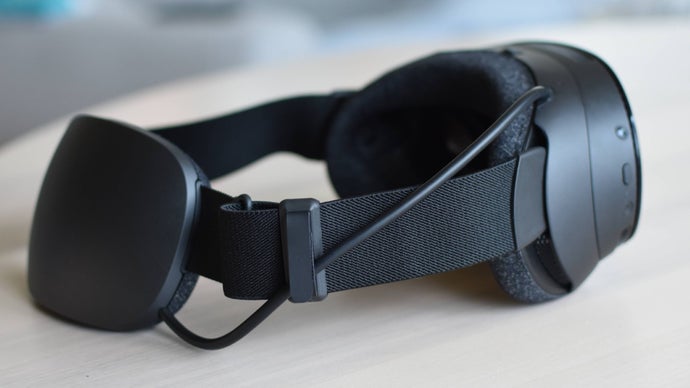
Valve has officially launched its Steam Frame VR headset, following a reservation and waitlist system reminiscent of the Steam Machine’s rollout. While the headset is yet to transition fully from “on sale” to widespread availability, it has recently received its first significant software update: SteamOS 0.3.0. This update includes important improvements aimed at enhancing user experience and technical performance.
#### Key Features of the Software Update
The update brings various enhancements:
– **Faster Charging:** One of the notable improvements is the “substantially faster” charging capability when the unit is off or in sleep mode. This adjustment addresses concerns regarding the Frame’s battery life, which has been a drawback for many users.
– **Improved Controller Tracking:** Users can expect smoother controller tracking, particularly when haptic feedback is activated. This feature is especially relevant for action-packed VR applications.
– **Stability Enhancements:** System stability and reliability improvements under high load conditions are included, making the overall user experience more seamless and less prone to crashes.
– **Microphone Fix:** A fix for the “garbled audio” microphone bug has also been implemented, which may enhance communication during multiplayer or online VR experiences.
#### User Experience Enhancements
The update focuses not only on performance but also on user experience:
– **Motion Smoothing Controls:** Users now have more control over motion smoothing settings, especially in applications like Half-Life: Alyx, ensuring a smoother gameplay experience.
– **VR Settings Customization:** New features allow users to customize VR settings further, such as “Game dimming when the dashboard is visible,” improving visibility and reducing distractions during gameplay.
– **Play Area Settings Update:** The auto-display of play area bounds has been modified, allowing for a cleaner interface.
#### Developer-Focused Adjustments
In addition to user-oriented changes, the update also introduces developer-centric improvements:
– **Resolution Criteria Relaxation:** The playable performance criteria have been adjusted, allowing any resolution instead of being limited to 1440p. This change can lead to more diverse game compatibility.
– **Vulkan Layer Fixes:** Fixes for Vulkan layers can enhance compatibility with various games, crucial for developers aiming to optimize their titles for the Steam Frame.
– **General Performance Improvements:** The update includes multiple enhancements to overall system and graphics performance, ensuring that both casual users and developers notice improved functionality.
#### Future Updates and Enhancements
Valve has committed to continuously updating and expanding the features of the Steam Frame, similar to their approach with the Steam Deck. This dedication suggests that the headset may receive regular updates that could introduce new tools and improvements long after launch. Additionally, the ongoing enhancements could facilitate a more robust ecosystem for VR applications on the Steam platform.
By sharing an operating system with the Steam Deck, the Steam Frame is poised for regular updates and expansions to its feature set, with a focus on ensuring compatibility and performance in VR applications.
#### Conclusion
As Valve navigates the complexities of the VR market, the Steam Frame’s initial software update marks an essential step forward. While it still faces challenges, such as battery longevity, the ongoing commitment to enhancements indicates a promising future for users and developers alike in the realm of virtual reality gaming.