### Silent Hill: Townfall Review
**Developer:** Screen Burn
**Publisher:** Konami
**Release Date:** September 24, 2026
**Platform:** Windows
**Available On:** [Steam](https://store.steampowered.com/app/1636440/SILENT_HILL_Townfall/), [Epic Games Store](https://store.epicgames.com/p/silent-hill-townfall-0cb037)
**Price:** £45/$50/€50
**Reviewed On:** Intel Core-i7 12700F, 16GB RAM, Nvidia RTX 3060, Windows 11
“Silent Hill: Townfall” presents a captivating entry into the storied Silent Hill franchise, crafted by Screen Burn, the studio known for their previous work, “Stories Untold.” The game emerges as a multimedia narrative unraveling the haunting tales of a fictional 1990s Scottish island community, St Amelia, while binding together its protagonists through intersecting narratives of loss and trauma.
#### Story and Setting
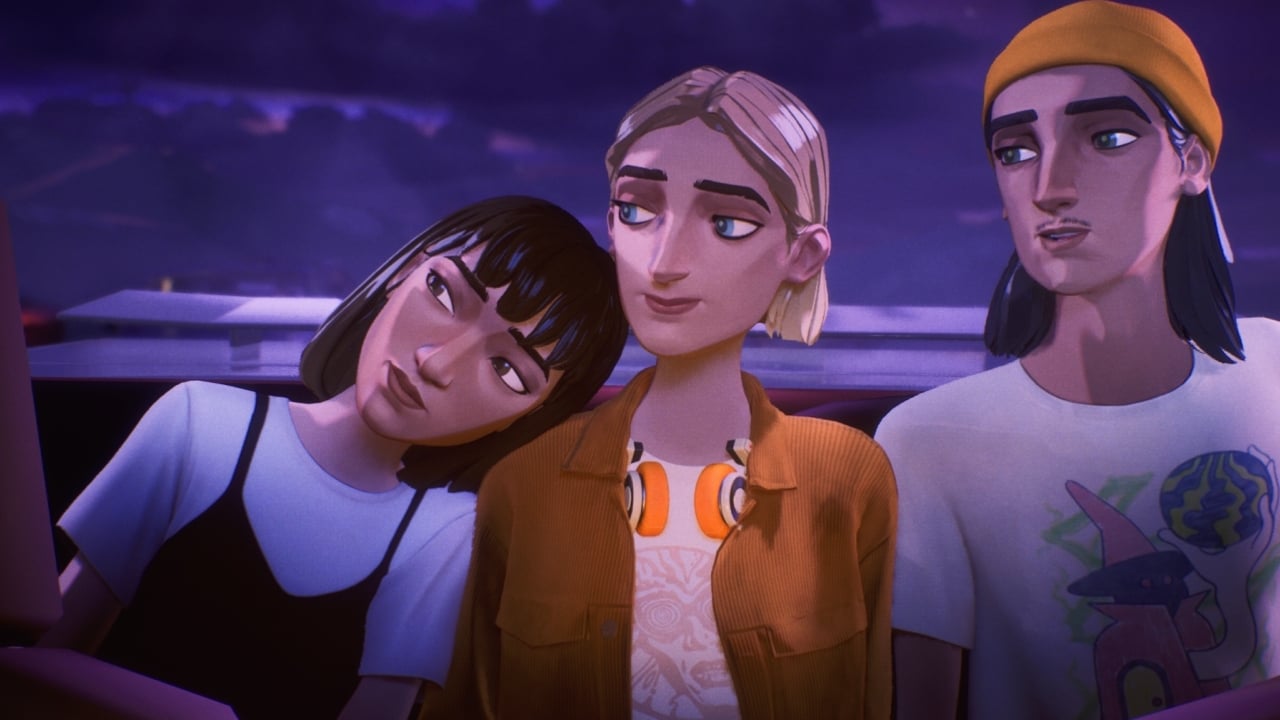
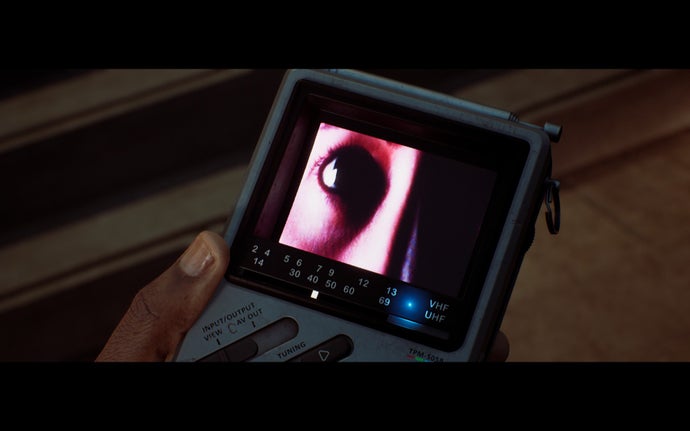
Players are introduced to Simon, a Black American struggling to navigate the physical and emotional wreckage of St Amelia. His journey is initiated by Richard, a grim figure communicating through a retro pocket TV. Meanwhile, Zoe, a local nurse, becomes embroiled in their harrowing past filled with unhealed wounds and unresolved crises stemming from a catastrophic event that has left the island isolated.
The world surrounding them is a blend of a once-thriving community turned into an eerie echo of its former self, overrun with despair and grotesque manifestations known as “Others.” The sense of abandonment is palpable, marked by barricaded roads, empty shops, and haunting memorials signifying those lost. The psychological horror is heightened through the characters’ struggles, depicted symbolically by the monstrous entities that stalk them.
#### Gameplay Mechanics
“Townfall” hinges heavily on stealth gameplay, which can sometimes detract from the overall experience. Players navigate through the town armed with limited resources, often resorting to hiding rather than confronting enemies directly. Both Simon and Zoe possess unique gadgets that aid them in tracking the Others—Simon has a more intuitive device that allows him to pinpoint a specific creature, while Zoe’s pager system presents a broader view of multiple threats.
The game invites players to engage with its puzzles, some of which cleverly integrate period-specific technology, adding depth to both the storytelling and gameplay. However, the repetitive nature of stealth mechanics can lead to some frustratingly drawn-out sequences, where players find themselves lingering behind cover for extended periods—this can feel especially tedious when navigating locked doors and the town’s layout feels like an adversary in itself.
#### Themes and Design
The design of “Townfall” resonates with contemporary issues and historical contexts, skimming along the edges of the societal impact of the COVID pandemic as reflected in Zoe’s narrative. This thematic exploration touches on the harsh realities faced by healthcare workers and addresses broader issues such as corporate negligence.
The game’s environment cleverly transitions between various realities, echoing the traumatic experiences of its characters, and introduces players to various moral dilemmas and discussions on accountability. As Simon and Zoe navigate the urban decay around them, players are meant to grapple with underscored questions about trauma and healing.
#### Visuals and Sound Design
The game’s atmospheric tension is heightened by its sound design. The dynamic score signals awareness states, though it can become overly explicit, diminishing the suspenseful ambiguity that fans of horror games often crave. The art direction aestheticizes elements of decay, both physically in the game’s world and emotionally through the characters’ disquiet.
#### Conclusion
In conclusion, “Silent Hill: Townfall” is a compelling, albeit flawed, experience that showcases the potential for narrative depth within the Silent Hill universe. The reliance on stealth and formulaic mechanics may grind at times, but the game’s rich storytelling and psychological depth provide an engaging journey into the darker recesses of human experience. While it may not eclipse the legacy of its predecessors, it stands as a poignant exploration of cultural specificity, memory, and the haunted legacies of trauma.