### The Reorganization of Xbox: Obsidian Entertainment’s New Position Under Bethesda
The gaming sector is experiencing substantial changes as Xbox embarks on a comprehensive overhaul, characterized by a reconfiguration of its internal studios. A key milestone in this reorganization is the transfer of Obsidian Entertainment, a renowned entity recognized for its role-playing games (RPGs), now positioned beneath the Bethesda umbrella. This change prompts inquiries regarding the future independence of Obsidian and the potential impact on its creative endeavors.
#### Obsidian Entertainment’s Integration into Bethesda
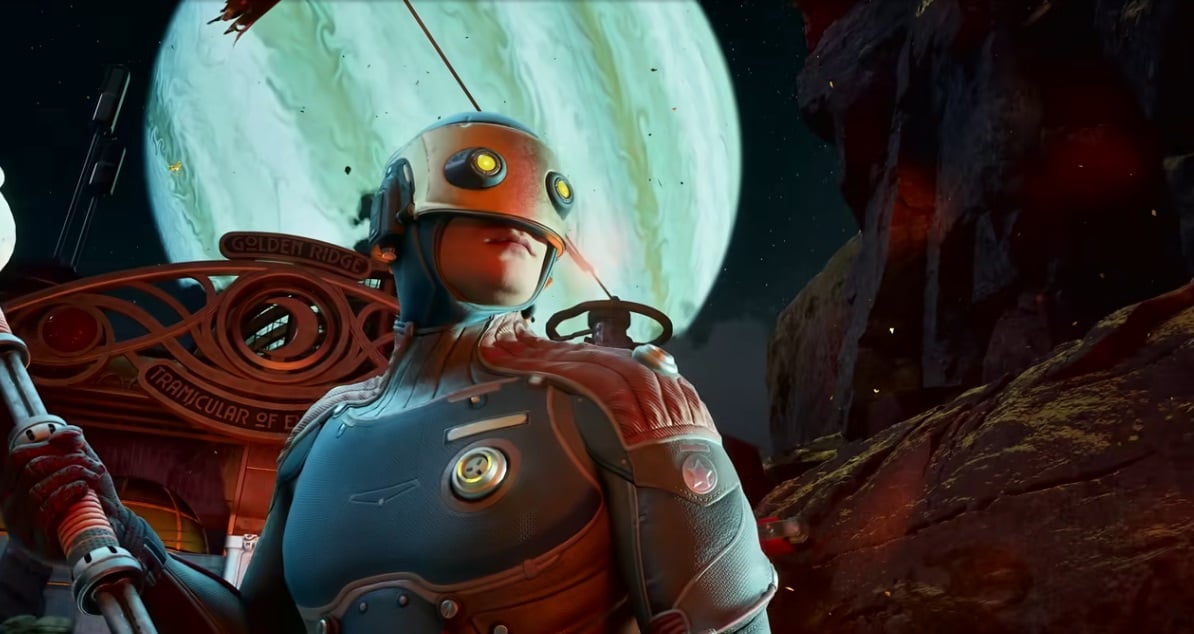
Obsidian Entertainment, known for celebrated titles like *Avowed* and *The Outer Worlds*, formerly functioned autonomously within the Xbox structure. With the recent reorganization, they are now under the direct leadership of Jill Braff, the president of Bethesda and Casual Games. Braff assured that the studio’s distinctive creative essence will persist, remarking, “The creative identity and strengths that make Obsidian distinct will remain at the core of their studio and work.”
Even with the reassignment, it has been verified that the leadership team, including CEO Feargus Urquhart, will still be guiding Obsidian. Nevertheless, the association with Bethesda introduces the possibility of Obsidian evolving into a support studio, especially concerning the *Fallout* franchise, which is directly managed by Bethesda Game Studios.
#### The Franchise-Oriented Framework
The reorganization is in line with Xbox’s strategic shift towards a “franchise-oriented framework.” Traditionally, Xbox’s leadership promoted a hands-off model, allowing studios creative liberty to craft games according to their visions. In this earlier structure, Obsidian flourished, delivering not only sequels and spiritual successors but also original innovative titles like *Pentiment*.
The transition to prioritizing established franchises, such as Bethesda’s *The Elder Scrolls* and *Fallout*, raises a crucial question: Can Obsidian sustain its unique creative voice while also working on franchises predominantly overseen by Bethesda? Xbox’s dedication to this new arrangement signifies a concentrated effort to enhance the potential of its established properties, but it raises apprehensions regarding the viability of distinct studio identities within this paradigm.
#### Industry Comparisons and Market Consequences
To comprehend the ramifications of the “franchise-oriented framework,” one may consider similar models within the industry, particularly Activision and Blizzard. Activision’s yearly *Call of Duty* releases function through various studios collaborating under a shared vision, frequently at the expense of their independent identities. In contrast, Blizzard maintains separate teams for its franchises, fostering focused creativity but within a tightly regulated environment.
Both approaches raise queries about creativity versus financial viability. While pooling resources under prominent franchises often results in monetary success, it risks diminishing the unique traits that individual studios contributed to their projects. This compromise remains a salient issue, particularly as Xbox navigates this wave of layoffs that has affected many in its workforce, including those at Obsidian.
#### Conclusion
As Xbox reshapes its operational strategy, the future of Obsidian Entertainment under Bethesda merits careful scrutiny. The studio’s capacity to innovate while contributing to a major franchise will be pivotal in defining its direction ahead. The challenge of balancing a unique creative identity with a franchise-centric model continues for Obsidian and other studios within the Xbox ecosystem as they adjust to this changing landscape in the gaming sector.