**EU Kids Act: Proposed Regulations on Access for Under-15s**
The European Commission has recently proposed new regulations aimed at how children under the age of 15 interact with social media, AI chatbots, and online video games. This draft legislation, known as the EU Kids Act, seeks to establish a tiered system of accounts for minors, accompanied by mandatory age verification processes for all users. The intent behind these measures is to enhance the safety and accountability of digital spaces frequented by young individuals.
The more detailed provisions of the EU Kids Act reveal concerns regarding the broad definitions used to classify what constitutes an “online game.” The Commission’s documents suggest that single-player video games that rely on online platforms, such as Steam, for updates and authentication might be inadvertently included in the scope of this legislation. This raises the possibility that even games lacking typical multiplayer interactions could still be affected by the proposed regulations.
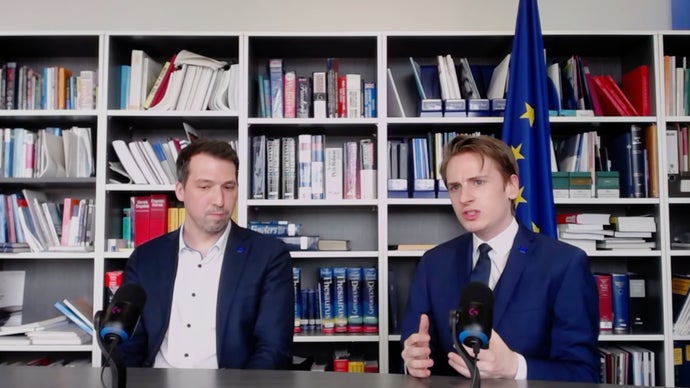
An earlier leak of the proposal had left many in the gaming community uncertain about the precise definitions at play. However, the official documents clarify that the European Commission indeed considers a wide range of gaming experiences under this umbrella. For instance, during a press conference conducted by the Stop Killing Games campaign, the implications of the legislation were discussed extensively. Paul Diegel, a senior policy adviser with connections to the European Parliament, highlighted that single-player games could fall victim to regulations merely due to their online connectivity for updates.
The current draft of the EU Kids Act defines online games as a part of the digital environment where minors engage in playful, goal-oriented, or entertainment activities. It refers to video games that allow dissemination and exchange of user-generated content among an unspecified audience. Notably, any game accessible via computer, mobile device, or gaming console is included in this definition, regardless of its distribution method or payment model.
An important exception noted in the legislation is for games available solely through physical media, which do not have an online component for access, purchase, or distribution. Hence, only those games that can be bought or accessed physically, without any online interaction, are excluded from this regulation. The ramifications of this interpretation mean that even games requiring online interfaces for updates could necessitate age verification, affecting a broad spectrum of titles currently enjoyed by players.
Despite these sweeping definitions, it is essential to remember that the EU Kids Act remains in the proposal stage. As the legislative process progresses, there is considerable room for refining the language and the definitions used. Stakeholders anticipate that lawmakers will narrow down the categories of affected online games to those that resemble social media interactions, primarily connecting users in shared spaces and allowing extensive user-generated content.
In conclusion, while the EU Kids Act aims to create safer digital experiences for children, the current draft highlights significant ambiguities that could impact numerous gaming titles. Continued scrutiny and feedback throughout the legislative process are likely necessary to ensure that the final regulations effectively target the intended issues without unnecessarily broadening their reach to include unwarranted categories of games. As discussions evolve, the gaming community and policymakers will be keenly observing how definitions shift and the eventual impact of this potential new legislation.