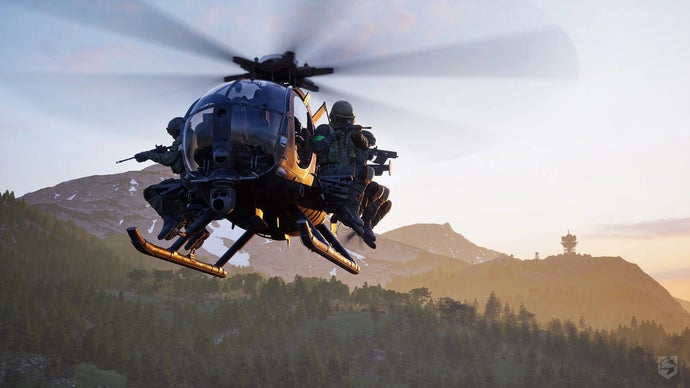
A blend of the finest elements from various competitive shooters while introducing something completely novel, Wardogs, even in its early access phase, is already a remarkably invigorating interpretation of the genre.
I needed four attempts to successfully skydive into a Wardogs match. On my first attempt, I deployed my parachute way too soon and was swiftly eliminated by one of the numerous sharpshooters scattered across Wardogs’ battlefield. The second attempt saw me pulling the ripcord far too late, crashing into the ground like a camo-clad Wile-E-Coyote. On the third try, I yanked the cord just slightly too late. However, it turns out that “slightly too late” results in the same demise as “very too late” when it concerns parachuting.
<pNonetheless, in all instances, my parachuting mishaps did not signify the end of my game. Similar to many large-scale shooters, the arenas of Wardogs are frequented by medics seeking to revive fallen comrades. Unlike other shooters, however, it allows clumsy players like myself to entice medics into reviving them with a tantalizing cash incentive for anyone willing to accept the task.
This feature is not unique. Wardogs revolves as much around the trade of money as it does around bullets, where the dual objectives of factional domination and individual gain coexist in a delicate balance. This concept simultaneously sets Wardogs apart from the competition, slightly undermines it as a shooter, and offers a captivating, real-time commentary on late capitalism and the gig economy.
Wardogs is rooted in the influences of three other FPS games, two of which are apparent at first glance – DICE’s Battlefield series and Bohemia Interactive’s more simulation-focused ArmA. The primary game mode is essentially a large-scale King of The Hill, with three teams contending for control of a circular area at the center of a much grander map. Securing the zone for a predefined duration awards the team a point. The first team to accumulate 100 points emerges victorious.
So far, it’s all quite familiar. However, it’s in the Counter-Strike genetics where the intrigue begins. Every life of your virtual mercenary commences with a CS-style buying phase, allowing you to acquire weapons and gear using a personal reserve of in-game currency. You start the game with a bank balance of $10,000, which is merely sufficient to equip yourself with a rifle, some ammunition, and a basic revive kit. Once you graduate from the starting-player discount, though, a decent loadout will start at a minimum of $4-5K.
The good news is that virtually any action in Wardogs will earn you cash. Eliminating an opponent? That’s cash. Assisting in downing an enemy? More cash. Reviving players? Transporting them to the battlefield? Building bases? Cash, cash, cash. Even standing idle in the control zone generates a steady stream of income, the rate of which doubles if you enter the much smaller, moving circle known as the Hot Zone.
This results in a form of role diversification akin to what you’d find in an ArmA RP server, but driven by profit. You’ll notice players dedicating their entire matches to providing transport for others to the battlefield or creating sophisticated defenses around their team’s Forward Operating Base. With every action yielding an immediate, tangible reward, players engage at all levels. You can even tip fellow players for exemplary healing or driving services.
<div class="
Related Posts
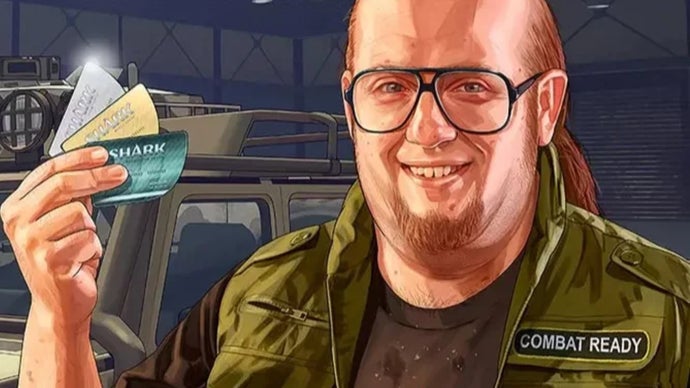
Impact of FTC Pressure on Payment Providers Could Benefit Adult Games Amid Debanking of Trump Supporters
Letters have been sent by the US Federal Trade Commission to the CEOs of Visa, Mastercard, PayPal, and Stripe, reminding them that there could be hell to pay if they deny customers access to their services because of said customers’ political or religious views. Potential discrimination against those with Trumpy views are the body’s main concern, but their push could also impact the buying of NSFW games.
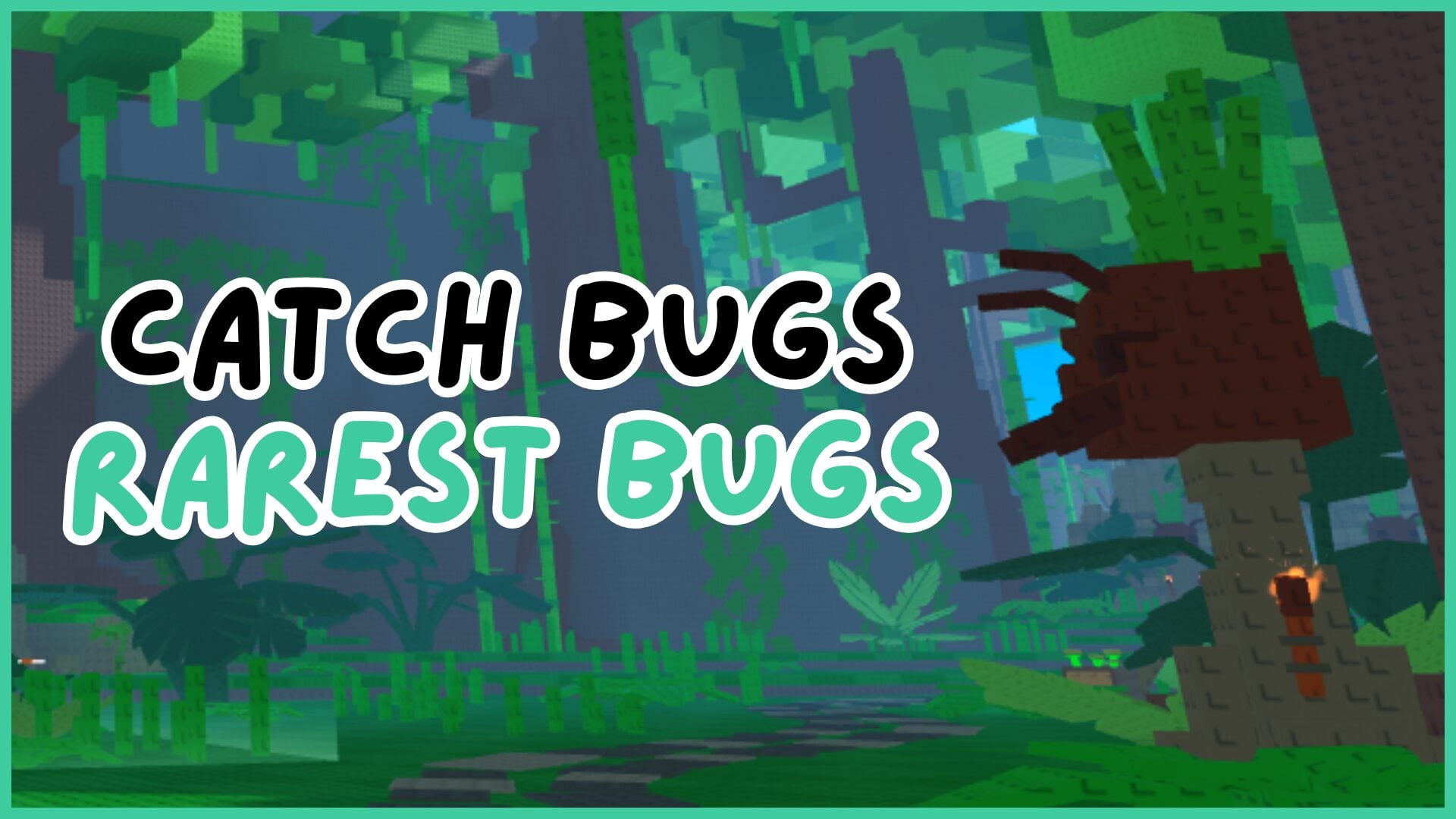
Guide to Catching the Rarest Bugs: Luck-Based Strategy
You may need a different Net.
The post Catch Bugs Rarest Bugs – Luck Build Guide appeared first on Gamezebo.

“Understanding Hair Colors in Gakuran: Dye Probability, Genetic Factors, and Re-Roll Options”
Smells like dye.
The post Gakuran Hair Colors – Dye Chances, Genetics, and Rerolls! appeared first on Gamezebo.