### The Aspiring Port of *Monster Hunter Wilds* to Nintendo Switch 2
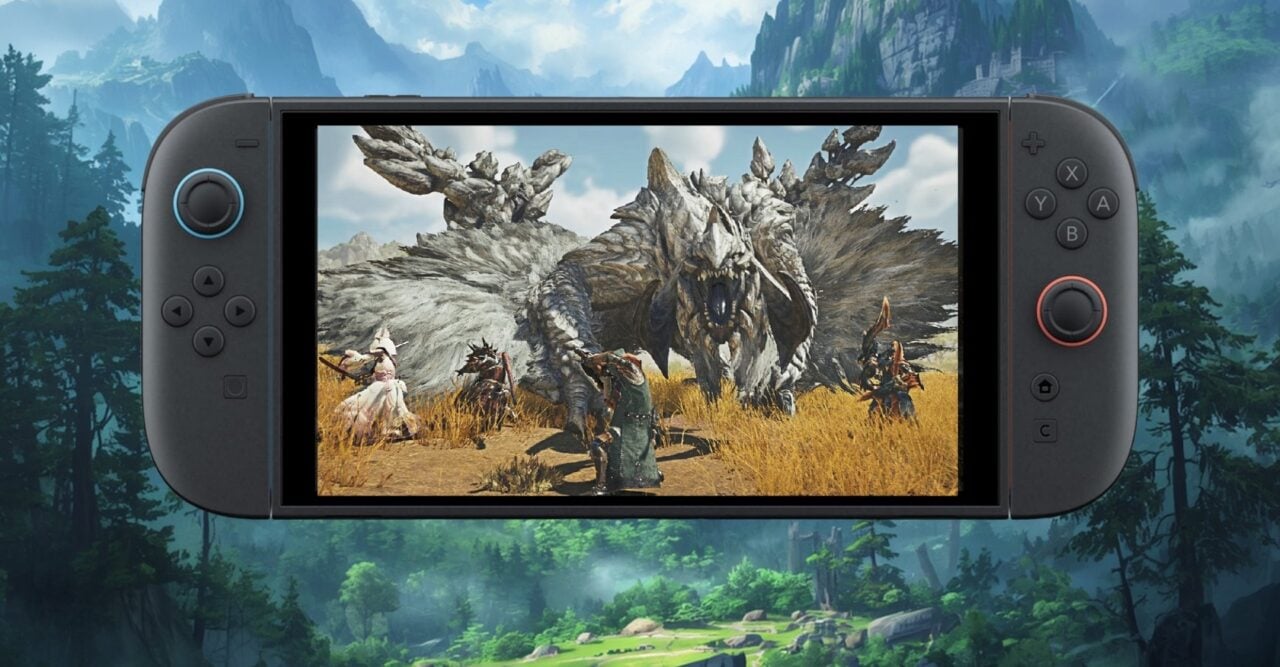
The imminent launch of *Monster Hunter Wilds* on the Nintendo Switch 2 stands out as one of the most eagerly awaited ports for the platform. In contrast to earlier titles in the *Monster Hunter* franchise that were crafted specifically for Nintendo’s portable devices, this edition aims to reinterpret a game originally designed for high-performance consoles and PC, introducing distinct technical hurdles and potential.
#### A Comprehensive Rebuild
Capcom’s strategy for transferring *Monster Hunter Wilds* to the Switch 2 is not simply to downgrade the game for a less robust device, but to entirely reconstruct it with the goal of delivering an experience that closely mirrors the original. Producer Genki Sunano remarked, “We didn’t want it to feel like a straightforward port,” stressing their dedication to preserving the essential experience of *Wilds*.
The objective is clear: attain a stable 30 frames per second in handheld mode, even during exhilarating four-player multiplayer hunts. This bold performance ambition underscores the depth of detail and complexity inherent in the game, which is celebrated for its vast open world and intricate action animations.
#### Technical Obstacles and Solutions
The development team encountered notable challenges in fine-tuning the game for the Switch 2’s hardware. They diligently assessed each asset and its underlying processing needs, making difficult choices about which elements could be retained and which may require alterations. This resulted in a meticulous process of “making decisions and optimizations one by one,” guaranteeing that players enjoy an authentic *Monster Hunter* experience on their handheld device.
A significant technical approach involved reconstructing certain assets and visual shaders from scratch. The team prioritized creating “more efficient implementations,” ensuring that the visual integrity of *Wilds* was maintained while boosting performance. Each adjustment to visual effects was carefully managed to keep consistency with the game’s hitboxes and collision detection, safeguarding gameplay fidelity.
#### Insights and Future Advantages
Sunano emphasized that this development effort is not merely about the forthcoming port; it is an enlightening journey that could shape Capcom’s strategy for other platforms. By reevaluating and optimizing even the components once deemed appropriate for home-console hardware, the team aspires to apply the insights gained from the Switch 2 port to enhance performance across multiple platforms.
Consequently, the knowledge acquired may not only propel the Switch 2 version forward but may also contribute to improvements for existing titles in the *Monster Hunter* series, enriching the overall gaming experience for a broader audience.
#### Conclusion
With the planned release on December 4, gamers are keen to see if Capcom’s attempts to transition *Monster Hunter Wilds* to the Nintendo Switch 2 prove fruitful. The ambition driving this project underscores a robust commitment to quality and innovation, potentially establishing a new standard for future ports. As the gaming community anticipates its debut, the hope remains that the Switch 2 can provide the epic hunting adventure fans have come to cherish without compromise.