### The Comeback of Navi: A Nostalgic Journey in the Ocarina of Time Remake
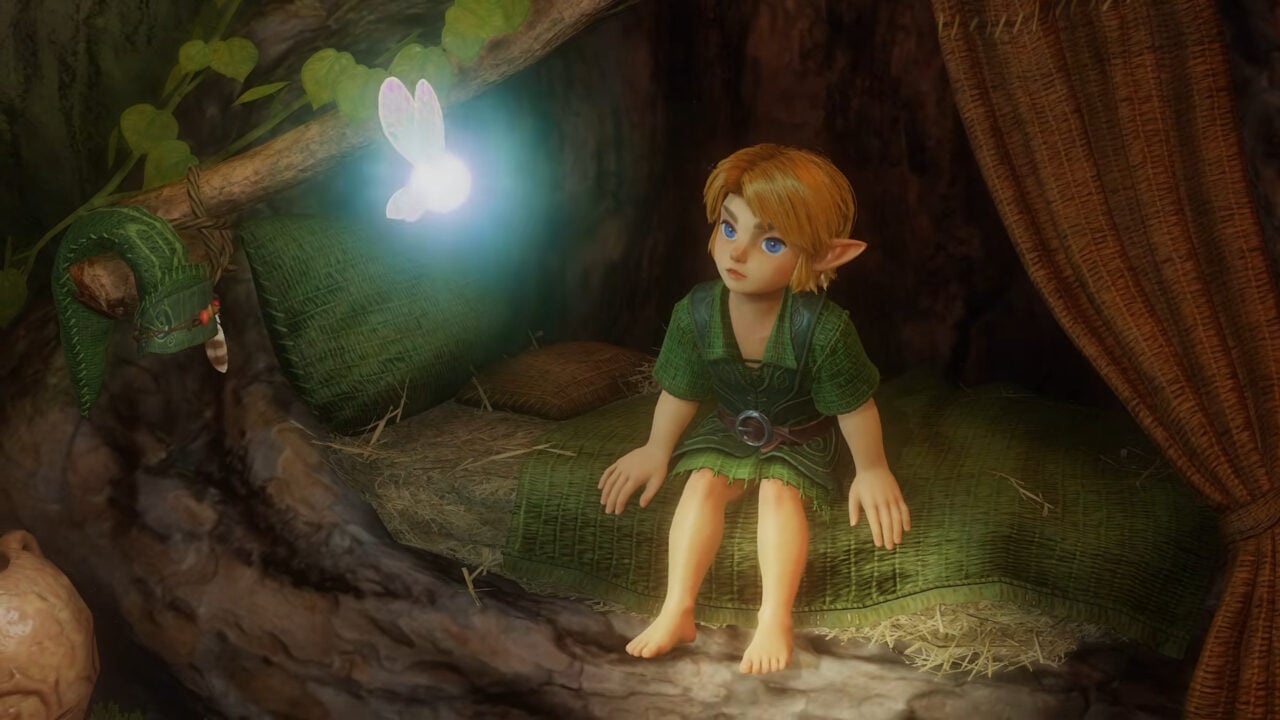
The excitement surrounding the remake of *The Legend of Zelda: Ocarina of Time* has ignited conversations, particularly about the voice of Navi, the legendary fairy companion. Recently, a significant update has emerged: it seems fans could have the chance to hear Navi’s original voice if they adjust the audio settings to Japanese.
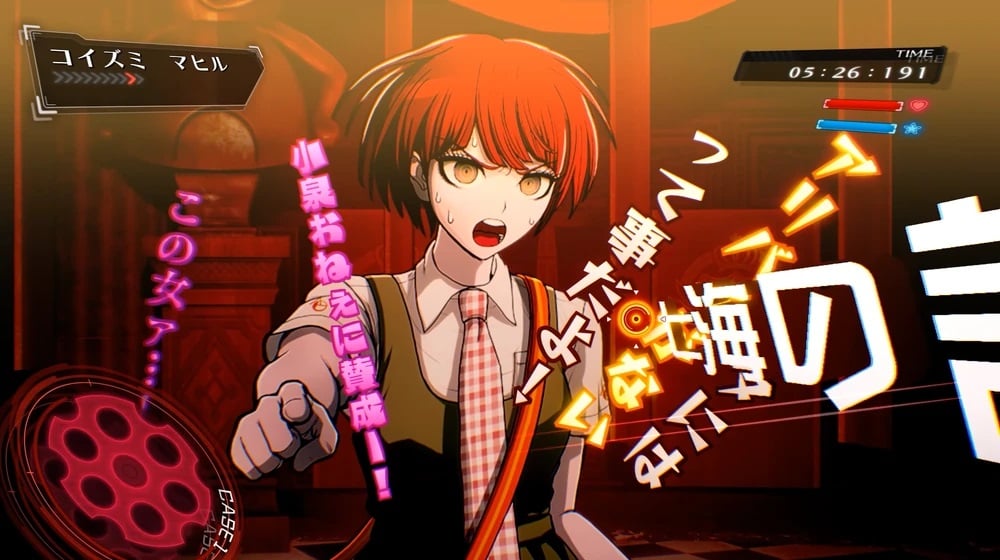
In the latest gameplay previews, it was clear that the voice featured in the Japanese trailers closely resembles Navi’s original voice. This role was first brought to life by Kaori Mizuhashi, a talented voice actress who remains active in both gaming and anime. Mizuhashi is recognized for her performance as Eirika in *Fire Emblem Engage* and her character Mami Tomoe in the *Puella Magi Madoka Magica* series.
If the voice in the trailers indeed belongs to Mizuhashi, she has remarkably preserved her vocal quality nearly thirty years after her initial portrayal. Comparisons between clips from the original 1998 game and the forthcoming remake demonstrate the extraordinary consistency in her voice acting, underscoring her professional talent.
### A Sentimental Option for Players
As gamers anxiously await the launch of the *Ocarina of Time* remake, the possibility of hearing the cherished Navi in her original form offers a sentimental option for players. Voices play a crucial role in crafting the emotional and immersive quality of games, and Navi’s voice is deeply etched in the memories of those who experienced the original release.
The addition of extra voice talent in the remake enhances the characters and narrative, making it a thoughtful choice to preserve the original voice for the Japanese edition. However, this prompts inquiries about the English voice actor, who has also been recognized for an outstanding performance.
### The Consequences of Multilingual Voice Acting
The need for various voice actors to support multilingual dialogue in video games is significant. The *Ocarina of Time* remake greatly expands its voice acting compared to the original, indicating that it would not be feasible for Mizuhashi to voice Navi across all versions. Just as it would be impractical to expect English actors to speak fluently in Japanese, asking Mizuhashi to deliver her lines in English could present a similar difficulty.
Fans are now eager to find out how the voice settings—particularly the option to switch to Japanese—might affect their gameplay experience. The thought of enjoying Navi’s familiar tones in a new setting is appealing to many long-time admirers of the franchise.
### Wrap-Up
As the launch of *The Legend of Zelda: Ocarina of Time* remake draws near, the discussions surrounding Navi’s voice reveal the intricacies of voice acting in video games. With Kaori Mizuhashi potentially reprising her iconic role in the Japanese version, fans have a special opportunity to revisit a cherished element of their gaming memories. The dialogue concerning bilingual voice acting also mirrors broader trends in the gaming world, as developers aim to craft immersive experiences for a varied audience. For many, the decision may hinge on whether they favor the original voice of Navi or the fresh interpretation, adding an exhilarating dimension to the forthcoming release.