### The Challenges of Live Service Gaming: Lessons from Arc Raiders
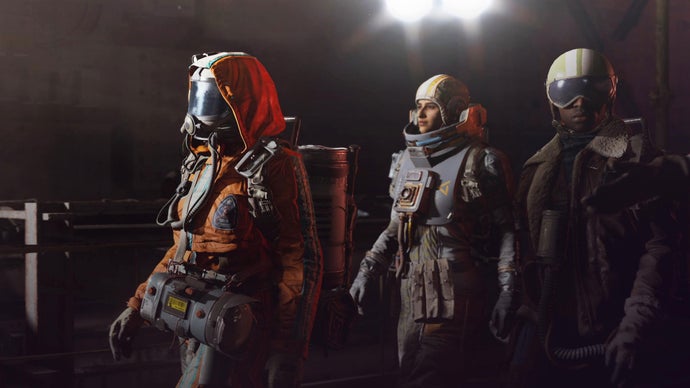
The development of live service games is often portrayed as an exciting endeavor, full of opportunities to engage with players in real-time. However, as Arc Raiders’ executive producer Aleksander Grøndal recently confessed, the reality can be significantly more complex. In an interview following the recent Gamescom event, Grøndal candidly discussed the challenges faced by his team at Embark Studios after launching their extraction shooter, Arc Raiders.
#### Initial Ambitions and Realities
Upon its release about a year ago, Arc Raiders was initially envisioned as a flagship title for publisher Nexon, quickly becoming one of its top earners. Reviewers praised it for its unique gameplay, which was described as “deliciously tense” and socially engaging. However, the ambition to deliver monthly post-launch content proved overwhelming for the development team, leading to what Grøndal termed a “murderous” few months following the game’s debut.
The transition to a live service model required a rapid shift in focus from development to ongoing content creation. Grøndal noted, “Transitioning to live service is going to be fucking hard.” Despite expectations of difficulty, he admitted that the reality surpassed their preparedness. The demands from players were high, and the team struggled to meet these while maintaining quality outputs.
#### The Impact of Burnout
As the pressure mounted, so did exhaustion among team members. Grøndal openly acknowledged that the team was “super tired,” and the content produced in the initial months fell short of expectations both in volume and engagement. Recognizing this, the team had to re-evaluate their approach. Grøndal highlighted the constant overshooting of capacity, making planning nearly impossible amid the extensive workload that included maintenance tasks like bug fixes and exploits.
In May, amidst concerns of burnout, Embark modified its update strategy, opting for biannual updates instead of the previously planned monthly ones. This decision was motivated by a desire to return to a more manageable and effective production rhythm, one that would allow for more thoughtful iteration on content and improvements.
#### A Reflection on Management and Team Well-Being
Grøndal’s insights reflect a broader issue within the gaming industry: the adverse effects of overworking staff to meet ambitious targets. Having previously faced similar challenges during his tenure at Electronic Arts, Grøndal expressed a stark awareness of the repercussions burnout can have on individuals and the overall team dynamic. “It’s terrible. I don’t recommend it to anyone,” he stated when discussing his past experiences of needing extended sick leave due to overwork.
This newfound emphasis on team well-being and quality production has led to a more sustainable approach to live service gaming at Embark. As Grøndal noted, producing updates at a quality that reflects their strengths will not only benefit the developers but offer a richer experience for players.
#### Looking Forward: Enhancements and New Features
Despite the rocky start, the future of Arc Raiders looks promising. In addition to adopting a biannual update schedule, Embark is also exploring new gameplay modes, including a PvE option, catering to a segment of players eager for cooperative experiences rather than competitive ones.
In conclusion, Embark Studios’ journey with Arc Raiders serves as a critical case study in the live service game sector. By recognizing the limits of their capacity and focusing on what they do best, the development team aims to foster a healthier work environment while delivering compelling content to their audience. This approach not only benefits team morale but also sets a precedent for the industry on the importance of balancing ambition with sustainability.