**The Witcher 3: Wild Hunt — Remastered: A Varied Response**
*The Witcher 3: Wild Hunt — Remastered* has been officially released, and in just the first 24 hours, players have voiced a diverse array of opinions concerning the updated visuals. While many are thrilled with the graphical improvements, especially the enhanced ray tracing and reimagined lighting, there exists a significant group of players who believe the remaster has diverged too much from the original’s dark fantasy theme.
The lively new graphics have garnered mixed feedback, as some players express discontent with the game’s lighter atmosphere. One player summed up this viewpoint in a critical Steam review, saying, “the dark fantasy essence is lacking; it resembles a Disney title.” Another participant on the Steam Discussion board argued, “Dear CDPR, remastered graphics appear TERRIBLE.” This divergence in views underscores an ongoing discussion within the community concerning the remaster’s visual approach.
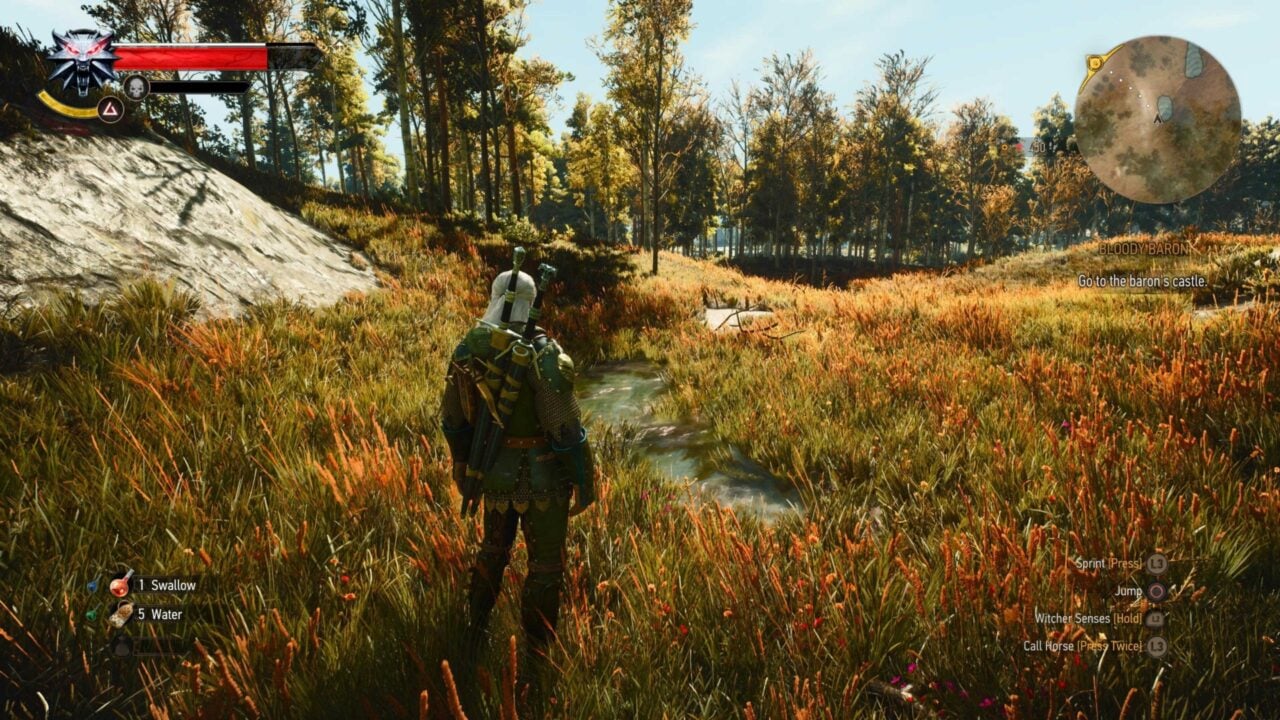
Supporters of the remaster commend the visual quality it adds to the game. Comparative images shared on platforms like Reddit illustrate the enhanced detail and sharpness of the remaster, highlighting its improvements over the original game. However, these upgrades come with the drawback of some players feeling that the game’s atmosphere has altered. Critics suggest that the remaster’s brighter lighting and additional detail lead to a less immersive experience, with descriptions labeling it as more “washed out” compared to its forerunner.
The different player experiences are further influenced by the specifics of their gaming configurations. High-end PCs that can leverage HDR may present the game in a manner that maximizes its graphical advancements, while gamers on lower-spec systems or consoles, like the base PS5, might not witness these effects and could view the updated graphics differently.
Numerous players have pointed out particular visual variations between the versions. One user remarked that the remastered edition exhibits a different contrast, with highlights seeming to be less vivid. They voiced a preference for the original game’s deeper contrast and distinct lighting effects, stating, “The Remastered color grading seems off to me.” With some committed players leaning towards the original look, this sparks intense debates on social media and gaming forums.
In spite of the criticisms, others discover that the remaster features stunning aesthetic moments. For example, scenic views in Skellige, teeming with lush vegetation, have been lauded for their graphical authenticity and immersive quality. Such instances highlight the remastered version’s potential.
As players grapple with their mixed feelings about the visual shifts, conversations about gameplay and other enhancements reveal a broader appreciation for the remaster that transcends mere graphical fidelity. While some players firmly state that the remaster is a downgrade in graphical elements, others value the overall improvements to gameplay mechanics, animations, and shaders.
The continuing discussions and criticisms imply that CD Projekt Red might need to contemplate potential updates to tackle these lighting and tonal issues. For those who still favor the original experience, Steam provides the choice to revert to former game versions.
In summary, *The Witcher 3: Wild Hunt — Remastered* stands as a potent illustration of how graphical upgrades can elicit a wide range of reactions from the gaming audience. As players persist in their experiences with the remaster, time will determine whether the alterations are ultimately embraced or condemned in the long haul.