**Capcom’s Resident Evil Remake Strategy: A Reflection on Nostalgia and Innovation**
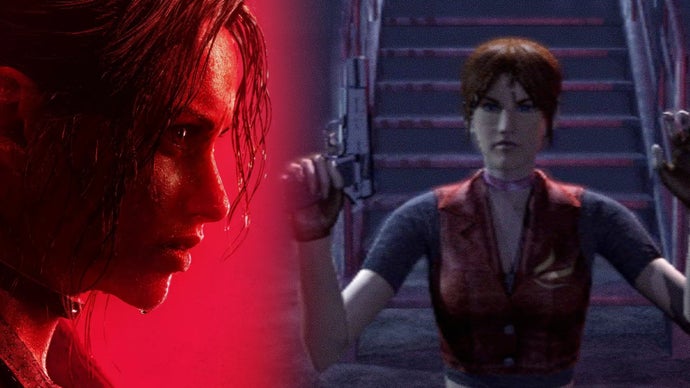
In the last decade, Capcom has seen tremendous success with its remakes of the Resident Evil franchise. By revisiting iconic entries such as Resident Evil 2, 3, and 4, the company has not merely updated graphics and cutscenes, but has also reimagined the original survival horror narratives, breathing fresh life into these beloved stories. Upcoming projects include a remake of Resident Evil: Code Veronica, scheduled for release in 2027, alongside whispers of a Resident Evil 0 revival in 2028.
As Capcom pushes forward with its remake strategy, it faces the challenge of running out of original content to overhaul. Apart from the anticipated projects, the company has only Resident Evils 5 and 6 left before reaching the “modern era” that began with Resident Evil 7, which laid the groundwork for the RE Engine that powers the remakes.
The prospect of remaking remakes raises questions about the future direction of the franchise. Jun Takeuchi, executive producer, addressed these concerns in a recent interview, suggesting that Capcom is already preparing for the eventual convergence of the original and remade games. This strategic thinking includes plans for potential “crossover” events to connect the storylines meaningfully. Takeuchi stated, “Someday, the remake series will catch up with the era of the numbered titles,” indicating an ambitious vision for the franchise’s narrative continuity.
Takeuchi revealed that references to classic elements like Umbrella and Raccoon City have been integrated not merely as fan service, but as part of a broader strategy to deepen the connection with the fanbase, which has been more engaged than anticipated with these nods to the franchise’s roots. This willingness to evolve in response to user feedback may set the stage for complex storytelling, reminiscent of other iconic narratives, such as Final Fantasy VII’s layered plot.
The future of the series may involve a blend of original and remade content, potentially leading to innovative and perhaps bewildering narratives. The possibilities of such a crossover could lead to surreal plot twists and character developments that challenge the conventions established in earlier titles. This concept stirs excitement and curiosity about how Capcom intends to advance the franchise while balancing nostalgia with the need to innovate.
As the gaming landscape evolves, the term “remake” has come to signify much more than a mere graphical update; it embodies an exploration of themes relevant to contemporary audiences. The original Resident Evil games delved into themes of viral outbreaks and corporate malfeasance—a narrative that resonates strongly in today’s climate, marked by global pandemics and societal anxieties regarding health and safety.
Capcom’s remake strategy has opened avenues for creative storytelling while also tapping into the collective nostalgia of long-time fans. The request for a balance between innovation and reverence for the source material could lead to unique gameplay experiences that span generations and redefine what it means to remake a classic.
As Capcom prepares for an uncertain yet intriguing future, fans and newcomers alike can only speculate on the paths that lie ahead for the Resident Evil series. Whether through bold narrative experimentation or an exploration of nostalgia’s multifaceted nature, the only certainty is that Resident Evil will continue to captivate and terrify players worldwide.