**The Role of AI in Ergonomic Furniture Design: A Deep Dive into the HBADA X7 Chair**
Artificial Intelligence (AI) has become increasingly ubiquitous in various sectors, including gaming and consumer electronics. While generative AI often garners negative perceptions, especially in gaming circles, more focused applications of AI in hardware can prove beneficial. One intriguing example is the HBADA X7 ergonomic chair, which incorporates AI-powered lumbar support to enhance user experience and health.
### A Look at the HBADA X7 Chair
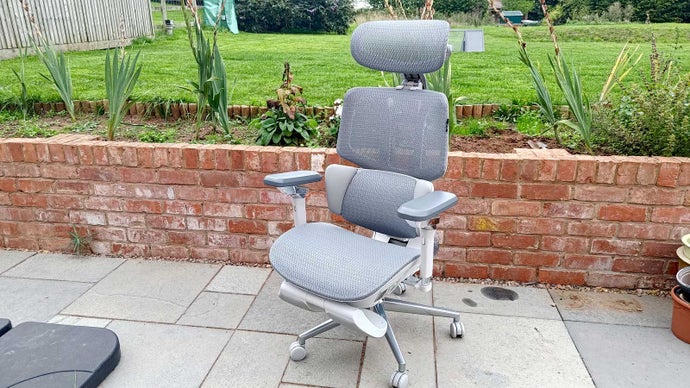
The HBADA X7 chair, priced at £1,169 during its autumn sale, presents a substantial investment. Beyond its often-derided AI features, this chair boasts an array of technical specifications designed for maximum comfort. These include 720-degree adjustable armrests, integrated footrests, a multi-dimensional headrest, an “8D bionic” back massager, a cooling seat cushion, and a graphene-based heating system.
The excitement about AI in the X7 centers around its ability to adjust lumbar support dynamically. By utilizing magnetic sensors to gauge the pressure exerted on the lumbar area, the chair can automatically adapt its support to match your posture—whether leaning back or sitting upright.
### Functionality Over Hype
At first glance, the idea of AI adjusting lumbar support may seem excessive; after all, traditional chairs often come with static lumbar settings. However, the chair’s machine learning mechanism, while not cutting-edge by contemporary standards, serves a distinct purpose. It aims to create a more responsive seating experience by adjusting lumbar support based on user movements, which could potentially alleviate back discomfort.
Through a week-long trial, the X7 has shown unexpected efficacy in addressing back issues, contributing positively to the user’s posture. Adjustments are not just reactive but also tailored to individual needs, making the chair a more adaptable solution than static alternatives.
### User Experience and Feedback
Initial skepticism regarding the AI features quickly gave way to practicality. The chair’s automatic adjustment system operates similarly to advanced pressure sensors rather than employing complex AI algorithms. While engaging with the smart lumbar system, users may find moments of frustration. During initial usage, for instance, the chair seemed to overly extend the lumbar support, causing discomfort until the user adjusted the sensitivity to better align with their body type.
The true value of the X7 is revealed once users understand its adaptability. Unlike conventional chairs that require manual adjustments, the X7’s automatic system responds to dynamic movements, ensuring continuous support throughout various activities. A user correctly positioned in the chair will find that the lumbar support adeptly conforms to their shifting posture, enhancing overall comfort and potentially promoting better back health.
### Additional Features and Considerations
The chair also features a built-in massager that surpasses traditional vibration functions by providing a more intricate kneading action. Coupled with a heating element that activates automatically, the chair supports regular comfort during extended periods of use. However, while the auxiliary features add to the overall experience, noise from the seat-mounted fans can be a drawback, particularly in quieter environments.
Despite minor imperfections—such as side wings that can hinder comfortable arm placement—the X7’s primary function of adjustable lumbar support stands out. For those who prioritize wellness and spend long hours seated, the chair offers a proactive solution. By promoting healthy seated posture and delivering consistent support, it significantly mitigates the risks associated with sedentary lifestyles.
### Conclusion
The HBADA X7 chair represents a notable advancement in ergonomic furniture through its intelligent integration of AI for lumbar support. While it may not encapsulate the most advanced form of AI, its responsive feature set demonstrates that even simpler applications can significantly impact user health and comfort. As working conditions evolve, investing in ergonomic solutions like the X7 could be critical in promoting better posture and overall wellbeing for home office workers.