### Video Game Remakes and Remasters: The Case of Sonic the Hedgehog
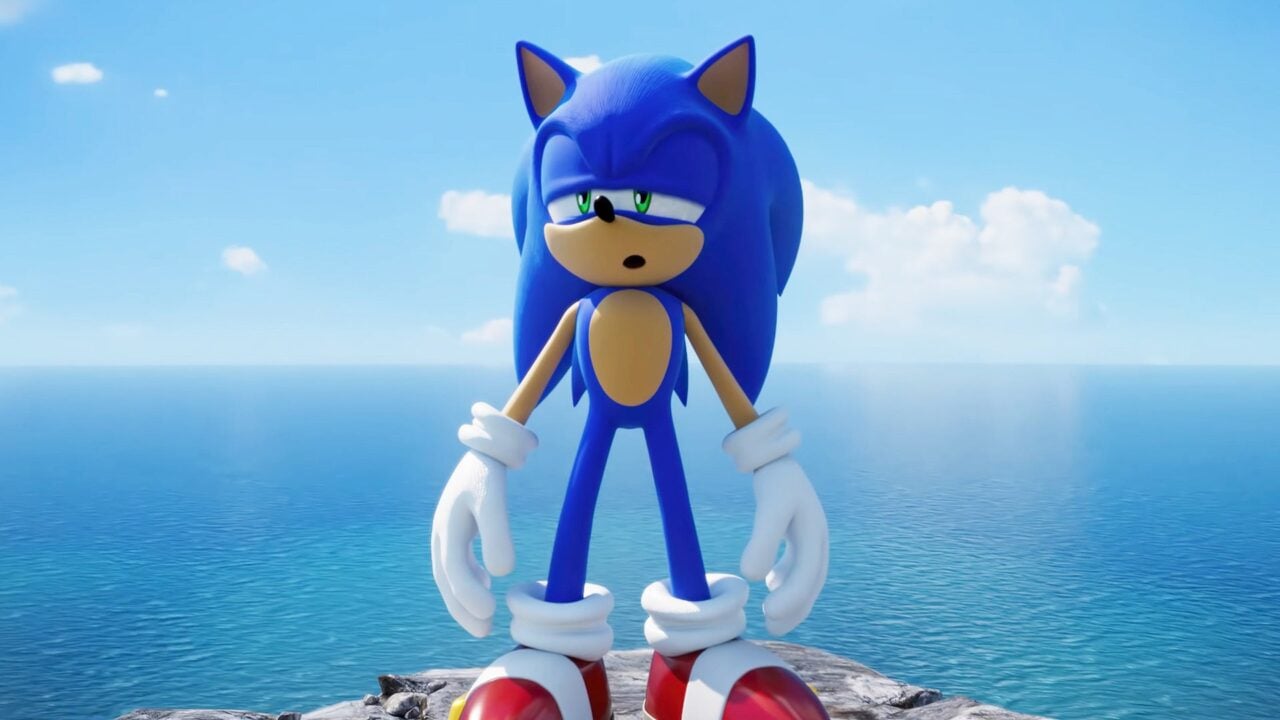
The realm of video game remakes and remasters has surfaced as a prominent trend in the gaming world, enchanting players and rekindling memories for titles that marked earlier generations. Numerous gamers convey a wish for contemporary iterations of their beloved games, resulting in a significant increase in remakes and remasters throughout various franchises. Nevertheless, the reaction from developers can differ, as evidenced by the recent remarks from Takashi Iizuka, the producer of the Sonic the Hedgehog series at Sega.
In a recent discussion, Iizuka spoke on the community’s demand for remakes and remasters of Sonic games. While he recognized the appeals—such as requests to port *Sonic Unleashed*—he stressed that Sega’s emphasis is on crafting new games instead. “We receive a variety of requests from the fan community for remakes and remasters,” Iizuka articulated. “However, our resources are limited. Instead of allocating those finite resources to remakes and remasters, we have a stronger ambition to offer fans new games and present new surprises.”
The difficulty of remaking older games extends beyond merely crafting an enhanced version of the original. Iizuka noted that present-day standards for graphics and gameplay introduce substantial challenges. Remaking an older game necessitates considerable resources, roughly akin to those required for launching a new title. This is essential because player expectations have developed, and many gameplay mechanics once deemed acceptable are now seen as obsolete.
“The remaking process entails significantly updating graphics, and you cannot simply issue the gameplay as it was back then,” Iizuka remarked. The endeavor of remastering or remaking involves extensive effort and expenses, which may limit the capacity to innovate and generate new gaming experiences.
Iizuka’s insights mirror a wider sentiment among game developers, who frequently prioritize new content over revisiting former triumphs. While the fan community may express a yearning for nostalgia-fueled remakes, developers must reconcile their enthusiasm with the realities of resource distribution and the necessity for innovation.
Despite these hurdles, Iizuka suggested that the team at Sega acknowledges the concerns surrounding the accessibility of specific older Sonic games on contemporary consoles. “For now, I have a stronger inclination to concentrate on new titles,” he said, while reassuring fans that the team is attentive to feedback and is aware of certain titles becoming “unplayable.”
In summary, while the phenomenon of video game remakes and remasters continues to thrive and captures the interest of many, the perspective from experienced developers like Takashi Iizuka highlights the complexities involved. The Sonic team is devoted to providing new experiences while managing the nuances of fan expectations and resource constraints. Players wanting remakes might need to adjust their expectations, but the dedication to innovative gaming experiences remains central to Sega’s approach.