Uncategorized

An Exhaustive Account of Ultima VII: A Study of a Pioneering Role-Playing Game

**Ultima VII: The Black Gate – An Enduring RPG Masterpiece**

In a lineup filled with remarkable games, *Ultima VII: The Black Gate* is still hailed as one of the top RPGs in history. Released in 1992 by Origin Systems, it frequently appears on “best of PC” lists and is often mentioned by esteemed developers such as Todd Howard from Bethesda and Swen Vincke from Larian Studios as a crucial inspiration.

My experience playing it a few years back was life-altering. The game showcased a compelling story enriched by unforgettable characters and thought-provoking themes that resonate long after gameplay concludes. Technically, it was revolutionary as well, pioneering an open world devoid of loading screens; players could navigate towns, overworlds, and dungeons without interruption.

**A Gruesome Start**

Traditionally, *Ultima* games commence with the protagonist, referred to as the Avatar, embarking on a quest from Lord British. However, *The Black Gate* opens with a chilling encounter with the Guardian, a crimson figure invading Britannia with sinister motives. The Avatar is transported to the city of Trinsic, unveiling that two centuries have passed since their previous arrival. The atmosphere is grim—a man’s assassination and the tragic demise of an innocent Gargoyle leave the town in disarray, establishing a disturbing tone for the journey that follows.

Richard Garriott, the visionary behind the game, highlights the intentional integration of real-world social issues into his narrative. Each *Ultima* installment succeeding *Ultima IV* addresses modern societal matters, with *Ultima VII* presenting an actual malevolent figure: the Guardian. Unlike standard game villains that hang back until the climactic battle, the Guardian actively engages players with an alluring ideology.

**An Eclectic Genre Fusion**

One of the most captivating features of *The Black Gate* is its blend of genres. At certain moments, the game resembles less of a fantasy RPG and more of a murder mystery. Players take on the role of the Avatar, examining crime scenes, questioning witnesses, and weighing the choice of diving deeper into the shadowy plot or roaming the expansive world.

Raymond Benson, the lead writer for *Ultima VII*, shares that his enthusiasm for thrillers and mysteries shaped the story’s path. Garriott had already crafted a narrative that involved the Guardian’s cult-like organization, the Fellowship, and Benson adapted it into a structure reminiscent of a Hitchcock or James Bond mystery adventure.

**A Lively Universe**

The Avatar’s last journey to Britannia left them absent during tumultuous times, with the land now fraught with suffering and hopelessness. The Fellowship, a cult that astutely seized the opportunity of lost virtues, manipulated the circumstances to gather followers. Each location in the game is intricately designed, with NPCs displaying dynamic interactions, enriching the world with a profound sense of vibrancy.

The importance of interactivity was paramount during creation. Benson mentions that Garriott envisioned a realm where players could fully immerse themselves—eating, resting, conversing, and trading were core elements of the gaming experience. This collaborative effort resulted in unmatched depth and immersion.

Andrew Morris, an author on *Ultima VII*, developed a comprehensive character bible that ensured NPCs were distinctive, each endowed with their own histories and traits. The focus was on crafting a living, breathing universe filled with intrigue, rumors, and intricate social dynamics.

**Brooding Themes and Thought-Provoking Quests**

Amidst the engrossing gameplay, players face somber themes, including human trafficking and racial tensions. The intricately stitched narratives allow the Avatar to tackle issues through various paths, enhancing player engagement with the evolving story.

The game also features striking quests, like engaging with the “Tortured One” in the eerily deserted city of Skara Brae, offering deep reflections on existence and mortality. These grim revelations enhance the game’s rich narrative, further solidifying *The Black Gate* as a standard of storytelling brilliance in gaming.

**Endurance and Impact**

More than thirty years after its debut, *Ultima VII* continues to welcome new players. The Exult mod is an invaluable resource for modern gamers, allowing them to experience the classic on contemporary platforms. Kenneth Kully, the founder of the *Ultima Codex*, elaborates that Exult is a complete re-engineering of the *Ultima VII* framework, preserving the original gameplay while adapting it for modern technology.

Remarkably, Exult started as a simple map viewer before evolving into a full-fledged gaming experience. Its ongoing growth highlights the lasting influence of *Ultima VII* and the unyielding enthusiasm of its supporters.

**The Continuing Impact of Ultima**

*Ultima VII* has motivated countless developers and continues to serve as an influential pillar in the RPG genre. While few titles have managed to replicate its unique combination of interactivity and narrative depth, its essence resonates throughout many games that followed.

The community remains robust, with the Ultima Dragons Internet Chapter nurturing a legacy of connection and shared enthusiasm among fans. This commitment

Uncategorized

Discovering Fresh Insights: The Impact of Playing Wind Waker with My Daughter on My Grasp of the Game

**Revisiting the Waters of Nostalgia: A Journey Through *The Legend of Zelda: The Wind Waker HD***

*The Legend of Zelda: The Wind Waker* has consistently stood out as a special installment in the treasured franchise, celebrated for its unique artistic approach and expansive oceanic exploration. My first encounters with the game on the GameCube were characterized by a blend of admiration and letdown. While I loved the vibrant, cel-shaded visuals, I felt the gameplay was rather straightforward, and my excitement dwindled during the notorious Triforce quest. However, this viewpoint shifted dramatically when I revisited the game in its HD version on the Wii U with my daughter, reigniting my love for this distinct piece of the Zeldaverse.

### *Revisiting The Great Sea*

From the instant we embarked from Outset Island, the striking graphics and animated characters captured our imaginations. My previous reservations regarding its art style turned into admiration, as the HD visuals made the environments feel like an engaging cartoon. Inspired by my daughter’s natural inquisitiveness, we delved into every corner, engaged with NPCs, and took on side quests that animated the world. The storyline quickly enthralled her, especially Link’s youthful character, which resonated with her adventurous spirit.

As we navigated the Forsaken Fortress, I worried the early dungeon’s challenges might be too daunting for her. To my astonishment, she maneuvered through it with skill, finding ways to outwit adversaries and solve puzzles, demonstrating the delightful effectiveness of the design that encourages players to explore and use various mechanics without overwhelming frustration.

### *The Joy of Exploration*

With the arrival of the King of Red Lions and the opening of boat travel, the game presented an expansive playground of exploration. I was overjoyed to share the excitement of sailing alongside my daughter as we discovered hidden treasures, battled monsters, and engaged with charming characters across the Great Sea. The game’s soundtrack, especially the sea shanty themes, infused our journey from island to island with a whimsical charm.

The blend of accessible quests and enchanting ambiance sparked my daughter’s interest. The design decisions—such as incorporating side quests with the community on Windfall Island—motivated her to interact with the world in significant ways, deepening her immersion in the game’s story.

### *Innovative Mechanics and Shared Challenges*

Distinct to *Wind Waker*, the gameplay introduced cooperative elements with characters like Medli and Makar, allowing players to interact in a manner typically missing in previous titles. This feature captivated both of us, as solving puzzles became a cooperative endeavor. The challenges within the Earth and Wind Temples often required us to apply our skills in creative ways, boosting critical thinking.

A highlight was rescuing Medli, who not only aids Link but also adds depth to the narrative. The thrill of employing their abilities within the dungeon environment fostered a loving connection between Link and his friends, strengthening emotional investment in the journey.

### *Redefining the Triforce Quest*

Although I initially disliked the Triforce quest, I was pleasantly surprised by my daughter’s enthusiasm for it. The enhancements of the HD remake streamlined the experience, transforming what once felt like a tedious collection task into an engaging adventure full of exploration, character interactions, and hidden lore. She enjoyed map navigation, uncovering secrets, and treasure hunts, delighting in the joy that I had missed during my first playthrough.

The personal connections built through her interactions with characters such as Mila and Maggie turned into lessons about ambition, community, and the whimsical aspects of fate. Engaging with these supporting characters not only enriched the quest but also triggered discussions about wealth and happiness, intertwining our gaming experience with real-world reflections.

### *A New Perspective Through Fresh Eyes*

Experiencing *Wind Waker* HD with my daughter rekindled my appreciation for its strengths—its imaginative design, its engaging humor, and its talent for crafting narratives that extend beyond the central quest. While revisiting the game, I was reminded of the significance of viewing video games from a fresh standpoint, particularly through a child’s eyes, which approach every encounter with wonder and joy.

In the end, *The Legend of Zelda: The Wind Waker HD* became a journey of rediscovery, enriching my gaming memories with vibrant new experiences. Whether through the captivating music, the allure of exploration, or the excitement of adventure, this experience with my daughter allowed me to relive cherished memories while also creating new ones that I would treasure for years ahead.

Uncategorized

New Horror Game “The Well Is Not Empty” Features Photophobic Monsters, Timer Light Switches, and Intense Digging Mechanics

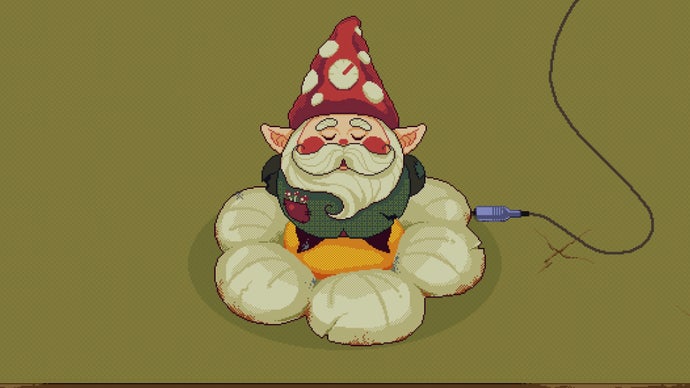
“Never show the monster,” horror film-makers, game-makers and other creepozoids have chanted, over the decades. The Well Is Not Empty wastes no time showing us the monster – one of the monsters, at least – and doesn’t seem especially the worse for it. I mean, it’s the worse, but in a good way.

Look, you can see the monster right there, hunkered up like a frightened puppy in the corner of the room. A scrawny little fellow with broken xylophone teeth and eyes that genuinely do make me think of the view from the bottom of a well. The monster is no threat, as long as you stay out of grabbing distance – and as long as the lights are on. The problem, as you’ve already guessed, is that the lights are unreliable. A lot of the ceiling bulbs in the open areas are set to a timer. Best make sure you’re back behind the sturdy radiance of those construction lamps before the ticking runs out.

Read more

Uncategorized

The Psychological and Developmental Themes of Silent Hill: Downpour

**The Enigmatic Journey of Silent Hill: Downpour**

Every few years, gamers tend to revisit their cherished video games, and for numerous enthusiasts, the Silent Hill series emerges as a benchmark of psychological horror. Among the collection, *Silent Hill 2* is often celebrated as the finest, noted for its deeply immersive narrative and ambiance. Nevertheless, *Silent Hill: Downpour*, launched in 2012, has received considerable praise over time, particularly for its innovative take on the series’ framework. Developed by Vatra Games and published by Konami, the game charts Murphy Pendleton’s tragic odyssey through the mist-covered streets of Silent Hill, delving into themes of guilt, redemption, and the intricacies of the human mind.

### Development Perspectives from Tomm Hulett

Tomm Hulett, the senior associate producer and writer for *Downpour*, conveyed his thoughts on the game’s development. Following his work on *Silent Hill: Origins* and *Homecoming*, Hulett strived to create an “authentic” Silent Hill experience that would fulfill fan aspirations while demonstrating that Western developers could deliver a worthy contribution to the franchise. The development crew focused on preserving the atmospheric spirit of Silent Hill, narrating mini-stories through side quests, and avoiding elements that strayed from the established lore.

Hulett stressed the importance of having a captivating hook in storytelling, akin to the notorious scenarios found in earlier games. The concept of a prisoner entering Silent Hill was perceived as the most compelling narrative foundation, leading to an investigation of Murphy’s past, his transgressions, and ultimately the repercussions of his decisions throughout the gameplay.

### Murphy Pendleton: A Multi-Faceted Protagonist

Murphy Pendleton emerges as one of the most relatable characters in the Silent Hill realm. His journey is marked by personal loss, primarily centered around the haunting absence of his child, which propels him toward drastic actions imbued with guilt. The game empowers players to influence the nature of Murphy’s guilt through their choices, affecting the multiple endings and intensifying the emotional stakes woven throughout the storyline.

The player’s decisions, including interactions with other figures like Anne, go beyond mere immediate outcomes; they act as reflections on Murphy’s character and how he is perceived by others. This method encourages players to engage more profoundly with Murphy’s ethical dilemmas, enabling them to view his actions through various lenses of empathy and critique.

### The Genesis and Mythos of Silent Hill: Downpour

Vatra Games infused distinctive aspects into the Silent Hill mythology, drawing on a range of psychological concepts and real-life experiences. For instance, the addition of the mining ride and the character JP Sater, who is haunted by his past following a tragic incident, blends the game’s supernatural horror with the all-too-human themes of grief and regret.

Hulett noted that Silent Hill functions on intricate levels, maintaining an air of uncertainty about its essence—whether it serves as a site of judgment or a catalyst for personal growth. This thematic richness has resonated with fans, fostering diverse interpretations and discussions about the games’ aims.

### The Significance of Side Quests

A remarkable element of *Downpour* lies in its immersive side quests, which permit players to delve into the psychological nuances of Silent Hill beyond Murphy’s core storyline. These quests, such as the emotionally charged “Ribbons” and the unsettling “Gramophone,” enhance the player’s comprehension of the game’s horror. Through these narratives, players encounter the ghostly remnants of Silent Hill, unveiling tales of loss, suffering, and memory—crucial to the game’s overarching themes.

Moreover, the recreation of iconic locales, such as the Room from *Silent Hill 4*, illustrates the developers’ affection for the series while ensuring that *Downpour* feels unique and fresh. These references to the franchise’s legacy act as Easter eggs for devoted fans, enriching the entire experience.

### The Complex Motives of Silent Hill

At its essence, *Downpour* prompts players to grapple with the moral ramifications of Murphy’s actions, effectively blurring the distinctions between victim and antagonist. The introduction of characters like Anne Coleridge adds a new layer to the narrative, as her view of Murphy as the “Bogeyman” complicates the player’s interpretation of his motives and guilt.

The climactic encounters challenge players to confront their views on retribution, forgiveness, and personal responsibility. The game’s design fosters introspection, encouraging players to examine their moral boundaries through the mechanics and narrative embedded within Silent Hill.

### Conclusion: An Enduring Legacy

Upon revisiting *Silent Hill: Downpour*, many fans find themselves pondering why this installment does not receive as much acknowledgment as its predecessors. While it encountered criticism upon release due to technical flaws, players today can appreciate the depth of the story, the crafted ambiance, and its thematic relevance within the horror genre. Hulett proudly reflects on the endeavors made to create a game that honors Silent Hill while establishing its own identity—an aspiration that resonates with fans.

Ultimately, *Downpour* epitomizes the intricacies

Uncategorized

The Investigation of Human Nature in Solaris from Xenogears: An Intricate and Troubling Storyline.

**Xenogears: An Intricate Weaving of Ideas and Storytelling**

*Xenogears* might not stand out as the quintessential JRPG on the PlayStation 1 due to its significant format transition in the latter half, yet it certainly features one of the most elaborate and thought-provoking narratives on the platform. The initial portion of the game is particularly celebrated as a standard for ambition and intricacy in storytelling, often leading to fresh insights upon each play. A standout moment is the sky realm of Solaris, which encapsulates numerous themes and motifs that have contributed to the game’s lasting acclaim among fans.

### Stars of Tears

From a narrative perspective, *Xenogears* offers a convoluted journey. The story kicks off with the downfall of the Eldridge, a spacecraft, and the eerie line, “You shall be as gods,” displayed on screen. Set millennia later, a conflict erupts between Kislev and Aveh. The protagonist, Fei, struggles with shattered memories and a peculiar capability to unleash immense power from his gear. The storyline intertwines the hidden truths of the floating city of Shevat, the conflict rooted in a centuries-old war, and the clandestine machinations of the religious group Ethos and the military faction Gebler. The introduction of a mysterious character, Grahf, intent on awakening Fei, adds further layers of depth, transforming the narrative into an engaging blend of science fiction, philosophy, psychology, and religious motifs.

Director Tetsuya Takahashi intertwines elements from his favorite inspirations into *Xenogears*, notably naming the Sacred Empire of Solaris after the famous Soviet film and book *Solaris*, which features a sentient oceanic planet revealing human secrets. In *Xenogears*, Fei uncovers the concealed realities about Solaris and its exploitation of Ethos and Gebler to perpetuate turmoil among the “lambs,” the residents of the surface. The quest to uncover Solaris’s hidden domain requires dismantling the Three Surface Gates that conceal its existence.

Upon entering Solaris, players undergo a physical disorientation that mirrors the narrative’s unexpected turns. Separated from his companions, Fei navigates the stifling conditions of 3rd Class F Block, where he confronts the ramifications of a strict class hierarchy. The residents, stripped of agency, toil endlessly for a regime that deems them useless. This acts as a potent critique of compliance within authoritarian systems, highlighting dehumanization against the facade of Solaris’s supposed utopia.

The populace, divided into three classes, adheres to the expectations of their status in order to survive, underlining the psychological and social control systems imposed by Solaris. Fei becomes aware of the grim plight of 3rd Class individuals branded as “Worker Bees,” who work tirelessly while clinging to a fading aspiration for elevation within the societal order.

### Bonds of Sea and Fire

The architecture of Solaris not only differentiates classes via altitude but also reinforces these divisions through its design. The ascent into the 2nd Class sector introduces commercialism and superficial pleasures that disguise the poverty of the lower classes. Despite the visible wealth and the government’s claims of safety and stability, a sense of oppression simmers beneath, intensified by the omnipresent watchfulness of security personnel.

As Fei and his allies traverse the city, the stark contrast in lifestyles becomes painfully clear. A foreboding moment occurs in the Soylent System factory, where they discover that sustenance intended for the surface inhabitants consists of the remnants of their own kin, linking back to the themes of exploitation and the grotesque reality of survival in a dystopian realm. The emotional gravity of these findings compels both characters and players to ponder the ethics of their circumstances.

After a sequence of encounters filled with battle mechanics akin to an arcade experience, the narrative builds towards a rebellion against oppressive systems. Particularly, the engaging combat system and character progression immerse players more deeply into the story’s emotional core. However, as the action intensifies, the philosophical inquiries grow weightier.

### The Fall of Solaris

As Solaris collapses, the ramifications of its leaders’ arrogance come sharply into focus. Characters like Krelian and the Gazel Ministry provide insights into the manipulative structures governing the lives of the characters. The examination of identity, treachery, and the quest for purpose creates a rich tapestry that interrogates conventional RPG storytelling.

The first disc reaches its climax with the catastrophic downfall of Solaris, signaling a crucial shift in *Xenogears*. While the second disc adopts a style more reminiscent of a visual novel, diverging from standard RPG mechanics, it continues to unravel the intricate narrative threads. This transition encapsulates the philosophical themes explored throughout the game, reinforcing the notion that profound understanding often necessitates a departure from traditional gameplay.

### Conclusion

*Xenogears* beckons players into a realm replete with moral intricacies, societal critiques, and psychological challenges, all intertwined in

Uncategorized

The Tactical Soul System in Dawn of Sorrow Elevates Its Reputation as One of the Finest Castlevania Games

**Symphony of the Night: The Heritage of Dawn of Sorrow**

*Symphony of the Night* is often celebrated as a pivotal entry in the metroidvania category, laying a robust groundwork that later games would aspire to enhance. One such game, *Dawn of Sorrow*, which debuted on the Nintendo DS in 2004 and was remastered in 2024, carries forward the legacy of its forerunner while introducing innovative gameplay features, notably the tactical soul system. This system allows protagonist Soma Cruz to access a vast selection of skills that enrich gameplay variety and complexity, setting a fresh benchmark for combat within the *Castlevania* franchise.

The core mechanics of *Dawn of Sorrow* focus on exploration and the gathering of abilities that empower players to navigate increasingly intricate settings. At its core is the tactical soul system, enabling Soma to absorb and utilize the abilities of vanquished foes. This transformative feature invites players to adopt diverse play styles, greatly augmenting the combat experience. The extensive selection of souls makes each confrontation feel distinct, motivating players to try out various strategies and methods.

From a visual standpoint, *Dawn of Sorrow* upholds the series’ exceptional quality, showcasing breathtaking graphics that vividly encapsulate the gothic ambiance of Dracula’s castle. The accompanying soundtrack is arguably one of the catchiest within the series, deepening players’ immersion into the eerie yet beautiful realm of *Castlevania*.

*Dawn of Sorrow* continues from where *Aria of Sorrow* concluded, with Soma Cruz seemingly having overcome his turbulent struggles against darkness. However, as is common in *Castlevania* narratives, tranquility is short-lived. Soma quickly finds himself pursued by Celia Fortner, a cult leader with intentions to resurrect the Dark Lord. This clash revives Soma’s latent powers, compelling him to begin anew, bereft of his former abilities. This narrative trajectory emphasizes the recurring themes of evil and redemption that permeate the series.

Combat in *Dawn of Sorrow* is highly satisfying, largely due to the tactical soul system. Players can utilize various soul categories—Enchant-Type souls offer passive benefits that enhance gameplay, while Bullet-Type souls function as potent combat assets that expend mana. This intricate array of powers facilitates a dynamic combat experience that motivates players to refine their tactics for each foe they face.

The game also introduces notable supporting characters, like Yoko Belnades, who assists Soma in crafting weapons and unveiling boss secrets through magical seals. Although the distinctive touch screen mechanics featured in the original release received mixed feedback, the enhanced remaster simplifies these segments for contemporary gamers.

Exploration is a vital aspect of *Dawn of Sorrow*, featuring ingeniously crafted settings and puzzles that reward player curiosity. The thrill of discovering the castle’s hidden secrets is exhilarating, especially upon encountering nostalgic nods to earlier series titles. The ability to revisit challenges, including boss fights and special areas, adds a gratifying layer of depth to the narrative journey.

While the tactical soul system introduces an intriguing facet to gameplay, it does present potential issues. Grinding for specific souls can lead to power discrepancies, resulting in a reduced difficulty that some players may see as a drawback to the game’s overall challenge. Nevertheless, this aspect also enhances replayability, as players can strive to gather every soul and master the combat dynamics.

In the end, *Dawn of Sorrow* stands out as a distinguished title that respects its legacy while carving a path for future entries. With an engaging story, expansive mechanics, and exceptional presentation, it is clear why it occupies a cherished spot in the hearts of fans. Soma Cruz’s journey, characterized by the careful balance of wielding darkness for good, resonates throughout the gameplay, exemplifying the series’ lasting appeal. As players aid Soma in his battle against malevolence, they are reminded that dawn may usher in both sorrow and renewal, one soul at a time.

Uncategorized

Persona 4 Revival: A Duty Fulfilled by Series Director Kazuhisa Wada, Spotlighting Combat and Social Struggles Among Teens

Look, before you say it, I know. Persona 4 Golden is held up by some as one of the best and most important RPGs ever. After all, it was the series’ Final Fantasy 7 moment, where many of the mechanical and thematic threads of the earlier games finally knitted together and became something greater than their parts. You step into the shoes of Yu Narukami, a Japanese transfer student freshly arrived in Inaba. There, you use your limited time to make friends, study for your exams, and dive into a metaphysical dimension to turn-based battle the literal manifestations of your friends and rivals’ twisted perceptions of themselves. Its story and characters particularly celebrated for their honest and painful looks inward at the parts of ourselves best left unseen. I’m a fraud for not having played it yet, with that sin only compounded by having had it in my Steam family sharing library for years. I have no excuse. I’ll face the shame-filled shadow version of myself, eventually.

Read more