Uncategorized

Nintendo Cuts Switch 2 Production by a Third Because of Unsatisfactory U.S. Sales
**Nintendo Decreases Production of Switch 2 After Lackluster Holiday Sales**

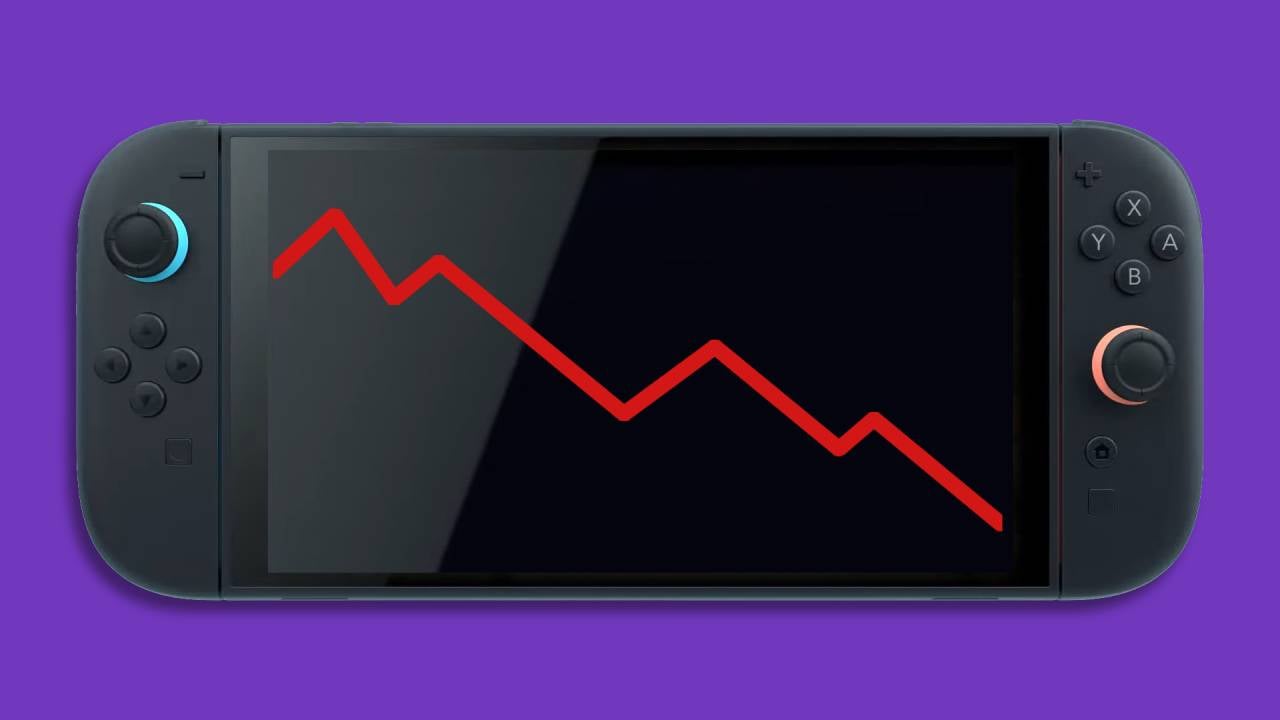
A report from *Bloomberg* indicates that Nintendo is significantly scaling back its production plans for the Switch 2 following underwhelming sales in the U.S. market. The company has revealed a reduction of over 30% in the number of units it intends to produce for the upcoming quarter, decreasing output from six million to four million units due to disappointing holiday sales.

At first, Nintendo was hopeful about the Switch 2’s success, which debuted to remarkable acclaim. The console moved an impressive 3.5 million units within its first four days and achieved a total of 10 million sales in the initial four months, marking it as the fastest-selling console ever. However, sales began to wane ahead of the holiday season, resulting in a significant 35% drop in U.S. sales during this vital timeframe.

Analysts believe that the downturn in sales may be attributed to several factors, including economic challenges, heightened console prices driven by tariffs and inflation, and a scarcity of notable new game releases. The lack of major titles such as a new *Zelda* installment, a primary *Pokémon* launch, or any noteworthy *Mario* games has fostered a perception that the Switch 2 seems less crucial to consumers compared to its forerunner.

In February, Nintendo’s stock price saw a steep decline, linked to concerns over persistent tariff issues and escalating costs for crucial components like RAM and GPUs. After the announcement regarding the production cut, Nintendo’s shares fell further by 6.3% during Tokyo trading.

**America Falls Short**

The disappointing sales numbers seem especially stark in the U.S. market, where demand for the Switch 2 has not fulfilled expectations. Although sales are strong in Japan, often exceeding supply, and European sales have remained stable, the U.S. market has failed to exhibit the expected excitement for the new console. Interestingly, despite being available for six years, the PS5 continues to outpace the Switch 2.

The *Pokémon* franchise has somewhat alleviated the situation, with titles like *Pokémon Legends: Z-A* and *Pokopia* performing better than anticipated. Nevertheless, even these releases have not been adequate to support the targeted production levels for the Switch 2. Amir Anvarzadeh, a strategist with Asymmetric Advisors, commented that the hardware shortfall during its debut holiday period signals troubling news for the company, suggesting that the software offerings have been inadequate.

Nintendo is recognized for its secretive approach, making it hard to determine why the company opted to launch the Switch 2 with a highly acclaimed *Donkey Kong* title instead of a new *Super Mario* game. There’s also uncertainty surrounding the follow-up to *The Legend of Zelda: Tears of the Kingdom*. The lack of announcements about future major releases may be affecting consumer interest in the hybrid console, particularly in light of the prolonged wait for a new mainline *Pokémon* title and limited updates for *Mario Kart World* in its first year.

While the situation isn’t catastrophic—the Switch 2 has still performed well, and Nintendo is targeting 20 million sales in its first year—the current trends indicate a pressing need for new content or titles to revitalize interest and promote sustained sales growth.
Uncategorized

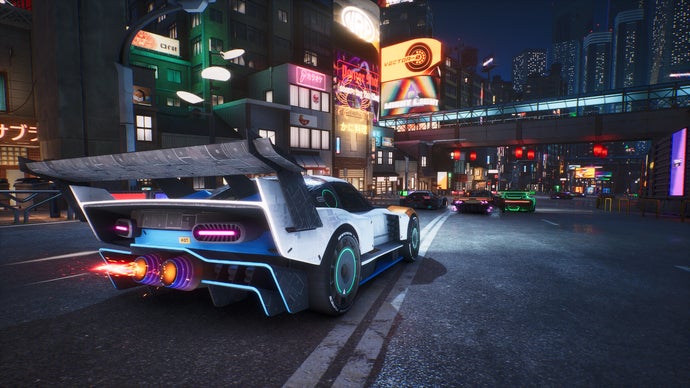
Arcade Racer Screamer Introduces First Update: AI Difficulty Nerfed and Additional Balance Pass Scheduled Soon

If you read our verdict over the weekend, you’ll know that Mark and I found the anime-flavoured Screamer reboot to be a delightfully exaggerated bit of slidey arcade racing – albeit one that, in the story-based Tournament mode, sometimes becomes randomly, viciously hard for no readily apparent reason.

Judging by Screamer‘s first update, which launched yesterday alongside game access for Digital Deluxe pre-orderers, those difficult spikes were an oopsie on the part of developers Milestone. Rather than send themselves on a Driving Awareness Course, though, they’ve “tweaked AI behaviors in various events to bring them closer to the intended difficulty,” while announcing a future balance pass for the game’s difficulty settings. That’s good news for controller-chuckers and desk-smashers, though obviously as someone who progressed through Screamer before this update, I claim entitlement to the same Smug Bellend rights as those Elden Ring players who beat Pre-Patch Radahn.

Read more

Uncategorized

Nvidia CEO Addresses Criticism of DLSS 5, Acknowledges Concerns Regarding AI Quality

Nvidia CEO Jensen Huang has decided to try something a bit different in his latest defense of the company’s recently revealed DLSS 5 neural rendering tech. No longer does he throw cold coffee in the faces of critics and bellow ‘you’re dead wrong, and you better give me something on this guy or you’re toast’. Instead, he sits on the desk like a teacher playing it casual – saying that he understands where critics are coming from, but still insisting that the tech’s benign.

Read more

Uncategorized

Capcom Pledges to Steer Clear of GenAI in Gaming While Investigating Its Potential for Operational Efficiency

**Capcom’s Strategy on AI in Game Development: A Double-Edged Sword**

On March 23, Capcom unveiled its latest set of investor updates, sharing third-quarter outcomes and discussing various corporate strategies, notably its stance on artificial intelligence (AI) in the realm of game development. The company reported solid financial results despite some “lackluster” sales figures for its title *Monster Hunter Wilds*. Of particular note was Capcom’s position on generative AI, a topic that has sparked considerable debate within the gaming sector.

During the investor Q&A, Capcom was asked about its goals for integrating generative AI into its game development practices. The company’s reply showcased a measured yet forward-thinking approach. Capcom emphatically stated, “Our company will not implement the materials generated by our AI into game content.” This announcement signifies a clear determination to steer clear of any potential reputational damage linked to employing AI-generated content in consumer-facing titles.

Even with this commitment to omitting AI-generated products from game content, Capcom showed a willingness to leverage AI to boost “efficiency and productivity” across different development aspects, including graphics, sound, and programming. This dual strategy illustrates a delicate balancing act: while aiming to refine internal processes through AI, the company remains alert to the perceptions and acceptance of AI within its final offerings.

The possible misuses of AI in game creation have triggered significant worries throughout the industry. Some stakeholders are apprehensive that dependence on AI could undermine creativity and originality, leading to a culture of plagiarism where human creators, such as artists, programmers, and sound engineers, might find their work eclipsed by machine-generated outputs. Detractors assert that genuinely innovative game design is rooted in true human creativity, which algorithms cannot easily replicate.

Capcom’s acknowledgment of these concerns may mirror a wider trend among game developers who are evaluating the advantages of AI against its ethical consequences. The aspiration to enhance production efficiency is understandable, yet it raises concerns regarding the integrity of the creative process. Striking a balance where AI acts as a tool without compromising artistic integrity is a challenge that Capcom seems to be navigating thoughtfully.

Furthermore, Capcom’s historical involvement with advanced technologies, such as Nvidia’s DLSS 5, complicates its present position. The company was a pioneer in promoting this AI technology, which has faced criticism from developers who contend that it diminishes the quality of artistic content. This alignment might indicate a shift in Capcom’s philosophy, perhaps influenced by unfavorable responses from the gaming community regarding AI-driven innovations that detract from user experience.

In conclusion, Capcom’s recent remarks regarding AI underscore the intricacies of merging technology with creative industries. While the company is eager to enhance efficiencies in game development, it remains dedicated to maintaining the authenticity of its game content. This careful maneuvering reflects both an understanding of industry trends and a duty to its audience, suggesting that while Capcom aims to innovate, it does not plan to sacrifice the core principles that characterize its games.

Uncategorized

Ex-Blizzard CEO Urges Crimson Desert Developers to Adopt AI Integration in Light of Upcoming Industry Trends

# AI in Gaming: The Debate Over AI-Produced Art

During the weekend, the gaming sector experienced an intriguing debate related to Pearl Abyss, the company behind the highly anticipated open-world title *Crimson Desert*. The studio issued a statement of regret for incorporating AI-generated art into the game’s launch, without informing players of this aspect. This issue drew significant attention, especially due to comments made by Mike Ybarra, the former president of Blizzard Entertainment.

Ybarra took to social platforms to share his thoughts, questioning the need for the apology. He contended, “Why say sorry? AI, in one form or another, will feature in every single video game.” He criticized developers for feeling compelled to satisfy a portion of the audience that opposes the use of AI in gaming. His remarks imply a belief that AI technologies are an unavoidable element of the future not only in gaming but in various facets of daily life.

Despite his assertive position, Ybarra’s statements faced backlash. With nearly two decades at Microsoft and a brief stint as Blizzard’s co-president, Ybarra encountered professional changes following Microsoft’s acquisition of Activision Blizzard in 2023. He is currently at the helm of a sports betting startup called Prize Picks, showcasing a transition from the gaming industry.

The conversation surrounding AI in gaming is complex. Advocates argue that AI can boost creativity and efficiency in the development of games. Conversely, there is considerable opposition from players and creators who believe that AI-generated content can diminish the artistry and authenticity of games. Critics frequently emphasize the importance of transparency regarding AI’s involvement in game development, as illustrated by Pearl Abyss’s situation.

While Ybarra urged developers to embrace a more candid approach to AI integration, the gaming industry has predominantly taken a measured approach. Leading studios appear reluctant to fully endorse AI’s role in the creative process, choosing instead to navigate the intricacies of player perceptions. This hesitation persists even as conversations around AI’s growing presence in gaming intensify.

The discourse on AI’s involvement in gaming also encompasses hardware innovations. Recently, Jensen Huang, CEO of Nvidia, defended his firm against claims that their generative AI technology misrepresents its use in gaming visuals. His statements underscored the ongoing friction between technological progress and public apprehension regarding the performance and transparency of AI in video games.

As the industry evolves, both developers and players will have to reconcile the incorporation of AI with the expectations for authenticity in gaming. The apology from Pearl Abyss and the subsequent responses from industry figures like Ybarra signify an escalating conflict between innovation and tradition in the rapidly changing realm of video games. The future of AI in gaming is still unclear, but one fact stands out: it is a subject that will persist in igniting discussions and debates among developers, players, and investors alike.

Uncategorized

Xbox Introduces Its Inaugural Gaming Showcase Under New Leadership

**Microsoft’s Xbox Partner Preview: Expectations Ahead**

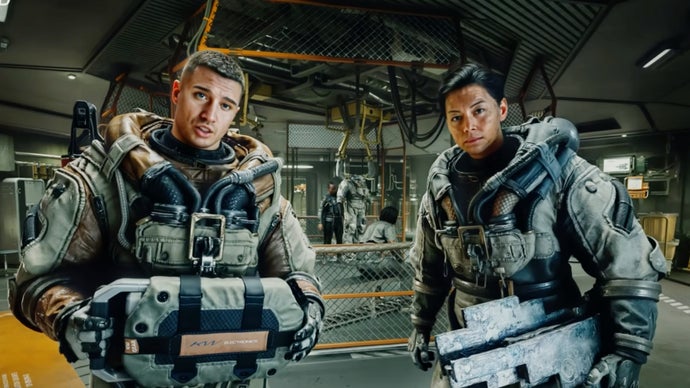
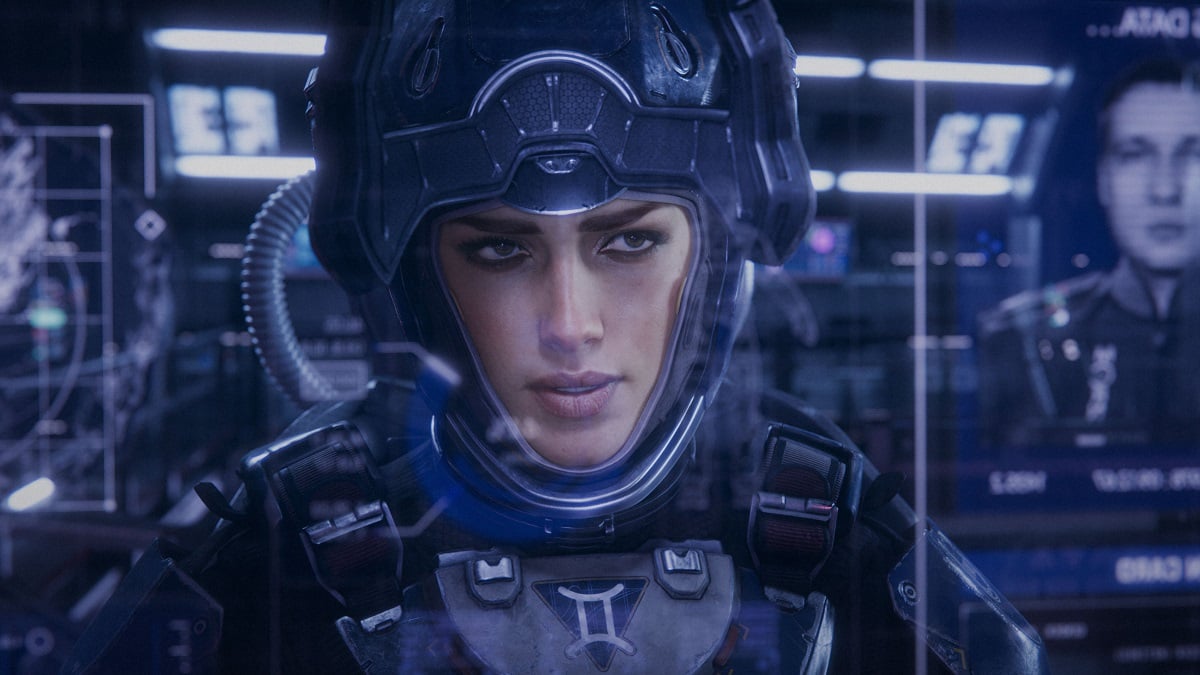
Microsoft is preparing to unveil its second gaming event of the year with the Xbox Partner Preview, set for Thursday, March 26 at 1:00 p.m. ET. This occasion is expected to bring updates on multiple highly anticipated games, including *The Expanse: Osiris Reborn*, alongside surprises from yet-to-be-announced titles. Importantly, this will be the first broadcast since Asha Sharma assumed the role of the new CEO of Microsoft Gaming, succeeding Phil Spencer.

The event will showcase gaming news from a range of studios such as Sega, GSC Game World, and Owlcat Games. Among the highlights, Microsoft has hinted at information concerning Ryu Ga Gotoku’s upcoming game, *Stranger Than Heaven*, in addition to updates on the sci-fi RPG *The Expanse: Osiris Reborn*. Furthermore, viewers can anticipate news on significant franchises and new releases slated for Xbox Game Pass.

This showcase occurs at a pivotal moment for the Xbox brand, as it works on refining its messaging regarding future hardware and how it differentiates itself from PC gaming. Asha Sharma has not yet addressed fans publicly in a video format, keeping many curious about her approach to presenting the brand going forward. The upcoming showcase will be a crucial introduction to the transformations that await in the post-Phil Spencer period.

Looking toward 2026, major titles such as *Forza Horizon 6*, a remake of *Halo: Combat Evolved*, *Gears of War: E-Day*, and *Fable* are expected to play a key role in Xbox’s 25th-anniversary festivities. However, the release calendar for the latter half of this year seems limited, as companies navigate the significant anticipation surrounding *Grand Theft Auto 6*. The Xbox Partner Preview may provide the essential dates and announcements needed to populate future release schedules.

As anticipation mounts for the Xbox Partner Preview, fans are enthusiastic to discover how the event will influence the near future of Xbox gaming and the effect of new leadership on the brand.

Uncategorized

Square Enix Unveils AI-Driven Slime Chatbot for Dragon Quest X

**Dragon Quest X Incorporates AI Chatbot: A New Era for Gameplay?**

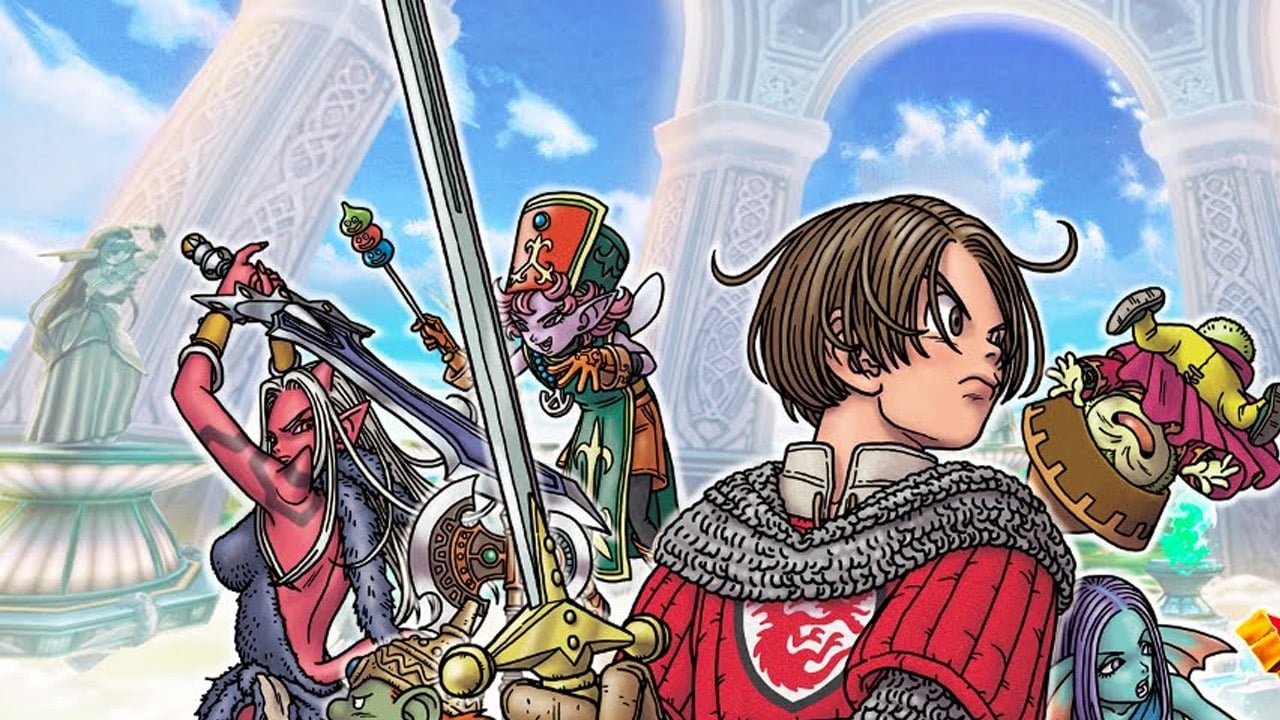
In an unexpected announcement, Square Enix has revealed a forthcoming update for its MMORPG, *Dragon Quest X*, which debuted on the Wii in 2012, aiming to introduce an AI-driven chatbot to improve player interaction within the game. This development is part of a collaboration with Google, leveraging their advanced large language model, Gemini, to create a distinctive in-game companion represented by the iconic blue Slime character.

The chatbot is crafted to offer players valuable information, tips, and advice as they traverse the vast world of *Dragon Quest X*. Players will have the opportunity to converse with the Slime, which is expected to generate responses through AI technology, thereby fostering a more engaging gaming experience.

Nonetheless, this recent integration has ignited a discussion within the gaming community. While NPC chatbots might introduce a new dimension of engagement, many believe it could be an ill-conceived effort by developers to tackle concerns that players haven’t voiced. Detractors argue that this initiative appears to be more of an imposed solution than a necessary feature that enriches gameplay or addresses player demands.

Regardless of the mixed responses, the rollout of the AI chatbot could indicate a broader trend within the industry. Yuji Horii, the creator of the *Dragon Quest* series, has indicated that he foresees AI playing a crucial role in shaping the future of gaming in the upcoming years. As *Dragon Quest X* stays exclusive to Japan, it raises the question of whether similar technologies will be adopted in globally successful titles like *Final Fantasy XIV* if the integration proves advantageous.

As players eagerly await the launch of this new Slime companion, the sources of information and the exact mechanics of the Gemini integration remain uncertain. The gaming community observes attentively, intrigued about the potential implications for future developments in gameplay and player experience throughout the industry.

Uncategorized

Bungie Recognizes Difficulties in Time Management for Scheduling Marathon’s Upcoming Endgame Raid

### One Does Not Simply Walk into Cryo Archive: Overcoming the Trials of Marathon’s Endgame

Within the sphere of cooperative gaming, few encounters match the intricacies presented by the endgame map of Bungie’s newest release, *Marathon*. Designated as Cryo Archive, this terrain acts as a trial for players, requiring not only meticulous gear preparation but also an extensive grasp of complex mechanics and cohesive teamwork. Although it captivates competitive players, Bungie acknowledges the necessity to create pathways for more casual gamers eager to experience the intense ambiance of the UESC colony ship.

#### The Obstacle of Cryo Archive

Cryo Archive offers a formidable environment where preparation is essential. Players need to acquire particular gear, acquaint themselves with various mechanics, and uphold consistent communication within their teams. This degree of difficulty leads to frequent setbacks, a deliberate design choice by Bungie that intentionally elevates the stakes of exploration and interaction. Nevertheless, the development team recognizes that making the game accessible to a wider audience is vital for maintaining player engagement.

In response to player insights, especially regarding the accessibility of Cryo Archive, Game Director Joe Ziegler highlighted numerous areas for enhancement. Three key concerns have surfaced from player feedback, including the possibility of solo play, a more equitable RNG system for obtaining Subroutines from vaults, and adjustable scheduling options for casual players.

#### Player Insights and Development Perspective

Bungie’s strategy for development following the launch underscores their dedication to community involvement. Ziegler’s remarks about gathering feedback emphasize an ongoing conversation with players, aiming to enhance their gaming experience. Many have cited the vastness and demanding nature of Cryo Archive, igniting discussions regarding its challenge’s suitability for casual gamers.

Presently, Cryo Archive is only open on weekends, creating a limited timeframe for players to engage. This restriction intensifies the overall difficulty, as players must navigate real-life obligations to unite for a few attempts. Additionally, the necessity of amassing 5K worth of gear introduces further obstacles. Successfully navigating the map requires repeated looting of specific vaults while evading dangers from both the environment and competing players.

#### A Complex Challenge

In contrast to typical *Destiny 2* raids, Cryo Archive brings forth a nonlinear and intricate gameplay cycle that can leave players feeling hindered or frustrated. Streamer Shroud has prominently described it as the “most intricate extraction shooter map” he has faced, prompting vital inquiries regarding its complexity and grind-focused nature. For many casual gamers, especially those with limited time to spare, the challenge can be intimidating.

This scenario raises questions about whether dedicated groups can succeed over consecutive weekends to meet the elusive objectives posed by Cryo Archive. Nevertheless, the reality is that certain players may invest substantial time without gaining the success they desired, resulting in a dissonance between effort and achievement.

#### Possible Solutions and Future Paths

To navigate this complex landscape, Bungie’s proposed modifications to RNG mechanics and the gear requirements show promise. Simplifying these factors could render Cryo Archive less daunting for players while keeping its challenging spirit intact. The challenge of harmonizing accessibility with the game’s natural complexity is a task that the development team is ready to address in the forthcoming months.

As the gaming community continues to interact with Cryo Archive, the potential for adaptation and evolution remains. While the map stands as a remarkable reflection of Bungie’s aspirations, it is evident that the ongoing conversation between developers and players will influence the future of this tough endgame experience. For many, including those managing grandparenting alongside gameplay, the pursuit of enjoyment amidst the grind persists as they navigate the intricate world of *Marathon*.

Uncategorized

Men Involved in Physical Conflict Over Pokémon Cards

### The Rise of Scalping Culture: A Concerning Trend in Pokémon Card Collecting

In recent times, the obsession with accumulating Pokémon cards has prompted a notable increase in scalping activities, where people acquire limited supplies of cards with the intention of reselling them at inflated prices. This phenomenon, while not unfamiliar to collectors, has taken a distressing turn as illustrated by a recent episode that escalated into violence. A video circulating on the internet shows adults involved in a physical altercation in front of a Pokémon card vending machine, raising alarms about the lengths to which some collectors will go to obtain sought-after items.

#### The Incident

The video, first posted by the Instagram profile PokéStreetz, highlights a tense moment where three people were waiting in front of a Pokémon card vending machine at an ACME supermarket. The footage captures a clash that commenced when one individual tried to buy a box of Phantasmal Flames cards. The situation escalated swiftly, resulting in one person pushing another, which then led to a physical scuffle. This incident illustrates the increasing desperation among scalpers aiming to capitalize on the current Pokémon card surge, often at the cost of decency.

#### Context of the Confrontation

With the Pokémon Trading Card Game (TCG) experiencing a resurgence in popularity, numerous fans and collectors are drawn to stores and vending machines in hopes of snagging rare cards. However, these machines have adopted strategies to discourage scalping, dispensing limited amounts of cards at set times. Consequently, scalpers may find themselves waiting for lengthy durations, increasing tension when competition is fierce.

The individuals in the video displayed aggressive actions that reflect a more significant issue within the scalping culture. While some might debate who sparked the confrontation, the underlying drive to obtain merchandise suggests a concerning indifference to personal space and social etiquette.

#### The Role of Social Media

Social media platforms such as Instagram and TikTok have heightened the scalping trend, as users share their experiences and conflicts related to Pokémon card hunting. Accounts like PokéStreetz capture these occurrences, frequently urging viewers to consider the morality of the actions depicted. The viral nature of such videos can romanticize aggressive behaviors, making it seem acceptable to resort to violence in the quest for collectibles.

#### Societal Implications

The incident acts as a wake-up call regarding the effects of consumer culture on behavior. As demand for specific items surges, people can become irrationally obsessed with ownership, resulting in confrontational scenarios. The necessity for moderation and ethical conduct in collecting is critical, as the actions of a few can tarnish the reputation of the entire community.

#### Conclusion

The escalating trend of violent encounters among Pokémon card collectors reveals the darker aspects of the scalping culture. As collectors endeavor to secure coveted cards, the competitiveness can foster hostile encounters that detract from the community’s spirit. A balance must be achieved where collecting remains a pleasurable and enjoyable pastime, rather than a battleground driven by desperation and greed. To safeguard the integrity of the hobby, both collectors and retailers need to promote responsible purchasing practices and discourage behaviors that lead to violence and hostility.