Uncategorized

CD Projekt Affirms That The Witcher 4 for PlayStation Will Be Available in Physical Form Even with Potential Lack of Disc

**The Future of Physical Media in Gaming: CD Projekt’s Commitment to Boxed Editions of The Witcher 4**

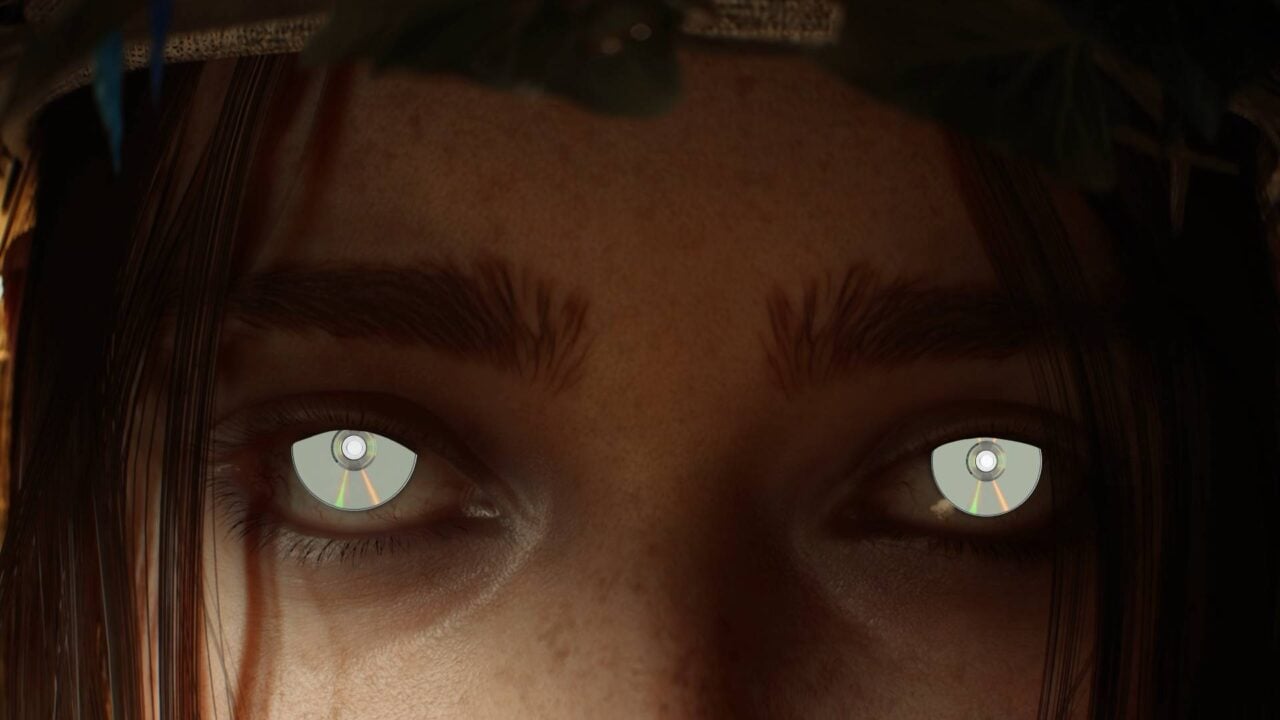
As the gaming industry transitions toward a more digital future, CD Projekt Red has garnered attention by reaffirming its intention to launch a boxed edition of the PlayStation version of *The Witcher 4*, despite the challenges posed by Sony’s digital-only initiative set for 2028. This effort is part of a larger transformation in the gaming environment, igniting discussions about the consequences of losing physical media.

Joint-CEO of CD Projekt, Michał Nowakowski, highlighted the studio’s commitment to delivering tangible collectibles to fans in an interview with *The Game Business*. In light of Sony’s plans for an all-digital approach, Nowakowski remarked, “We have no influence on the policies of first parties… Thankfully, the boxes the discs go in do not [require the same restrictions].” This comment underscores the constraints imposed by manufacturers on the dissemination of physical discs while also indicating the adaptability in offering boxed editions without a physical game included.

The decision to maintain boxed editions resonates with a broader sentiment among gamers who value the tangible aspects of collecting. The experience of game ownership is not solely about digital access; it also encompasses the joy derived from physical items—cases, artwork, and supplementary collectibles. Although the sleek DVD cases commonly found in modern gaming may appear lackluster compared to the elaborate packaging of earlier times, CD Projekt aims to craft a boxed product that will still thrill fans.

Nowakowski confirmed that *The Witcher 4* will be packaged with “feelies,” a term used to denote physical items included with games. While this term might seem peculiar, it encapsulates the nostalgia and excitement tied to unboxing a new game. CD Projekt’s commitment to incorporating these elements reflects their awareness of the emotional bond many gamers share with physical media.

The ongoing shift toward digital formats carries profound implications for gamers. A primary concern is the idea of ownership. With digital downloads, players often confront the fact that they do not genuinely “own” their games since access can be revoked, and titles may vanish from digital storefronts. Conversely, physical editions offer a sense of durability and ownership, providing players not only an item to hold but also something to showcase on their shelves.

Despite the approaching industry transformation, CD Projekt’s response mirrors a broader resistance from numerous gamers who continue to appreciate physical media. By vowing to release a boxed edition, the studio is not only appealing to nostalgic gamers but also recognizing the significance of collectible culture within gaming.

In summary, as the gaming realm heads into an increasingly digital terrain, CD Projekt’s commitment to releasing a boxed edition of *The Witcher 4*, even in the absence of a physical disc, serves as an important reminder of the lasting allure of physical media. It underscores the necessity of preserving the joy of collecting, ensuring that fans have something tangible to cherish, regardless of the format in which the game is ultimately provided.

Uncategorized

Mortal Shell 2 Developers Release Patch to Address Difficulty Issues and Prevent Weapon Theft During Ripostes

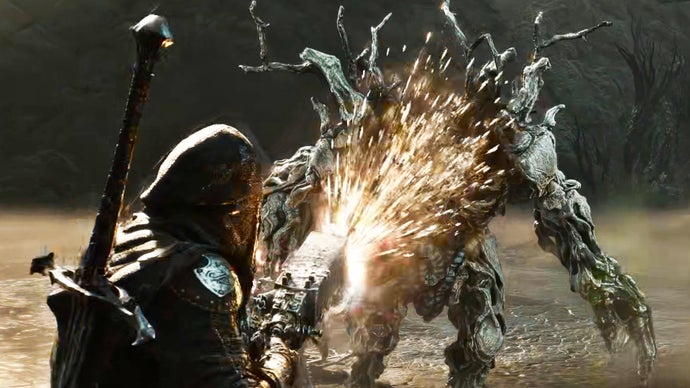
Belated congratulations to everybody who correctly guessed that Mortal Shell 2 was the mystery game our guides team were raving about a couple of weeks ago. You’ll hopefully have read Jeremy’s glowing review, in which he calls the new Soulslike RPG “an incredible second outing that capitalises upon the potential of the first Mortal Shell and brings forth nostalgic memories of DOOM, Heretic, Hexen, and other PC gaming gems.” Now, let us speak of difficulty thresholds, hotfix patches, and turning the tables on enemies so badassedly that you accidentally pinch their weapons.

Read more

Uncategorized

Evaluation of Onimusha: Way of the Sword by Kotaku

**Revitalizing Onimusha: A Cinematic Action Franchise for Today**

The Onimusha franchise has been a significant component of Capcom’s heritage, serving as a nostalgic echo of video gaming’s history while presenting a multifaceted challenge for renewal. Debuting in 2001, Onimusha established its distinct space by combining cinematic narrative, intense sword fights, and horror survival elements that evoke its sibling series, Resident Evil. As Capcom strives to revive this legendary franchise, the pathway unveils the delicate interplay between tradition and contemporary advancements.

**A Reflection on Onimusha’s Essence**

Fundamentally, Onimusha was constructed upon two foundational elements: narrative ambition and cutting-edge design. The series gained recognition for featuring renowned actors like Takeshi Kaneshiro and Jean Reno, who contributed star appeal to its storylines. This legacy continues with Onimusha: Way of the Sword, which seeks to captivate audiences by casting Toshiro Mifune—posthumously—as the celebrated warrior-poet Miyamoto Musashi, aiming to preserve the franchise’s cinematic authenticity.

In addition to its illustrious cast, Onimusha transformed the design aesthetics of its time. By intertwining spatial exploration with a resource management system focused on melee combat, the series created innovative gameplay mechanics. Players were encouraged to partake in perilous confrontations for enhanced rewards, with the Issen system becoming a signature characteristic. Mastering timed counterattacks delivered a profound risk-reward dynamic that raised combat above the conventional attack-dodge patterns typical of comparable titles.

**The Contemporary Take: Way of the Sword**

Onimusha: Way of the Sword strives to honor its origins while seeking to innovate within the franchise. Nevertheless, the game appears to stumble by deviating excessively from the core principles of the series. Unlike earlier installments where players navigated interconnected environments, this version pivots to an open-world framework filled with side quests, resulting in a vast yet fragmented experience.

While combat remains crucial, it significantly diverges from the original model. The introduction of lock-on mechanics and more straightforward controls diminishes the tactical nature of the original, leading to a more disarrayed interaction with foes. The game’s dependence on various reaction-based actions—like parries and dodges—modifies the previously engaging combat tempo, rendering it hurried and disconnected.

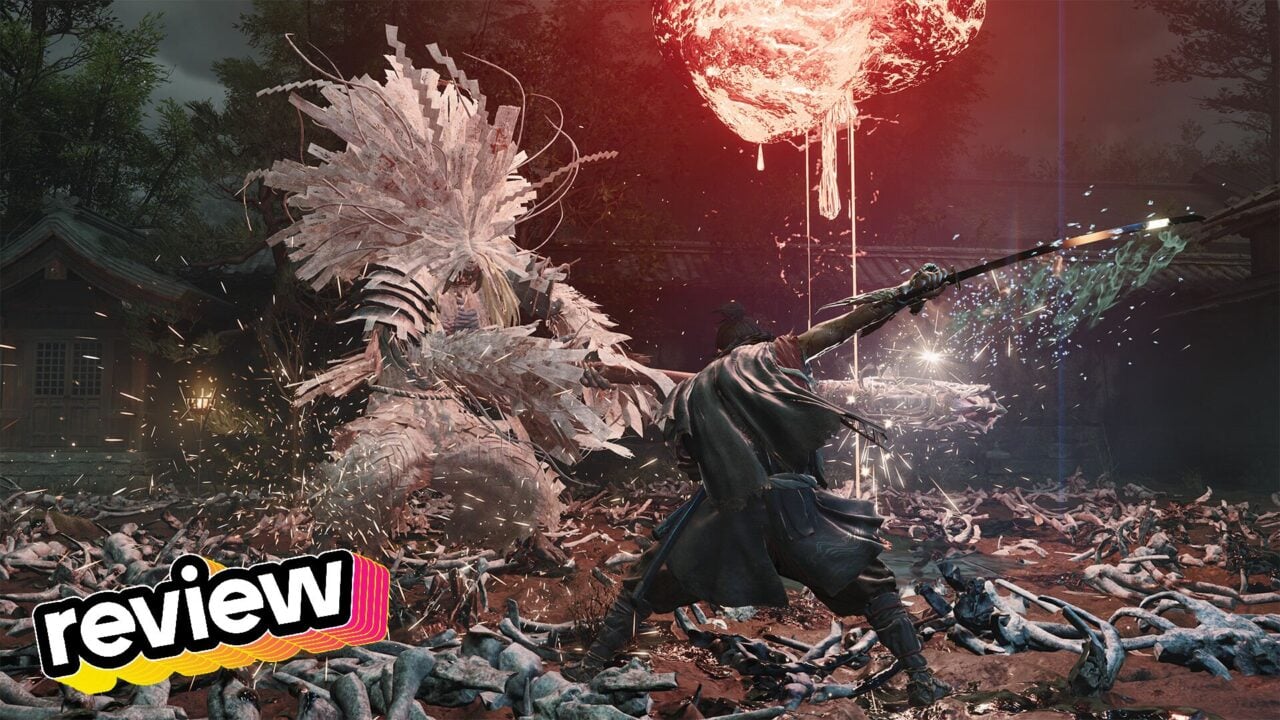
The boss fights, echoing newer games such as Sekiro, do mark a return to the series’ roots. Players are required to discern intricate patterns and responses, culminating in satisfying moments when overcoming challenging situations. However, the enjoyment derived from these encounters stands in stark contrast to the repetitive nature of mob confrontations, which are addressed with redundancy instead of ingenuity.

**Open World: A Double-Edged Dilemma**

The choice to shift to an open-world model is arguably the most controversial design decision in Way of the Sword. While the prospect of exploration brings a degree of initial excitement, it soon devolves into monotonous grinding and uninspired cycles of recurring enemy interactions. The need to gather basic materials detracts from the immediate enjoyment of combat and exploration.

Additionally, the story struggles to engage, despite the game’s visual aspirations and historical details. The narrative feels clichéd and fails to utilize the rich historical context, leading to a plot that lacks the charm of earlier installments.

**Conclusion: A Disjointed Legacy**

Onimusha: Way of the Sword ultimately acts as a bittersweet testament to Capcom’s celebrated history. While the game offers a core of remarkable boss battles that resonate with the franchise’s roots, it is eclipsed by an unwieldy open-world design and a dull narrative. The very aspects that rendered Onimusha a revolutionary series appear to have been overshadowed by the demands of the contemporary market and current design styles.

The challenge for Capcom rests in balancing the respect for Onimusha’s heritage while aligning with modern gaming trends. In this endeavor, they risk sacrificing the essence that made the franchise unique in the first place—an immersive experience that champions both cinematic narratives and inventive gameplay. As fans yearn for a return to its glory days, the lingering question persists: can Onimusha reclaim its esteemed position in the gaming landscape, or will it merely remind us of what was once cherished?
Uncategorized

Skyblivion’s Modders Announce Continued Development and Future Release Date Reveal After a Decade of Effort, Confirming No Unannounced Launch

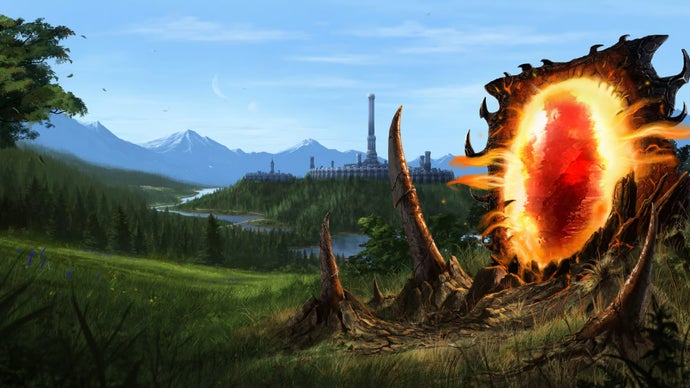
Skyblivion won’t be following the lead of Bethesda’s Oblivion Remastered with a sudden shadow drop of its own, the folks behind the massive Oblivion remake mod have confirmed. Instead, they’ve plans to reveal a new release date for the mod, which was previously being aimed to arrive late last year, when they’re ready.

Read more

Uncategorized

Atlus Clarifies Failure to Obtain Original English Voice Cast for Persona 4 Revival, Eliciting Fan Skepticism

**Atlus’ Choice to Recast Persona 4: An In-Depth Examination of the Controversy**

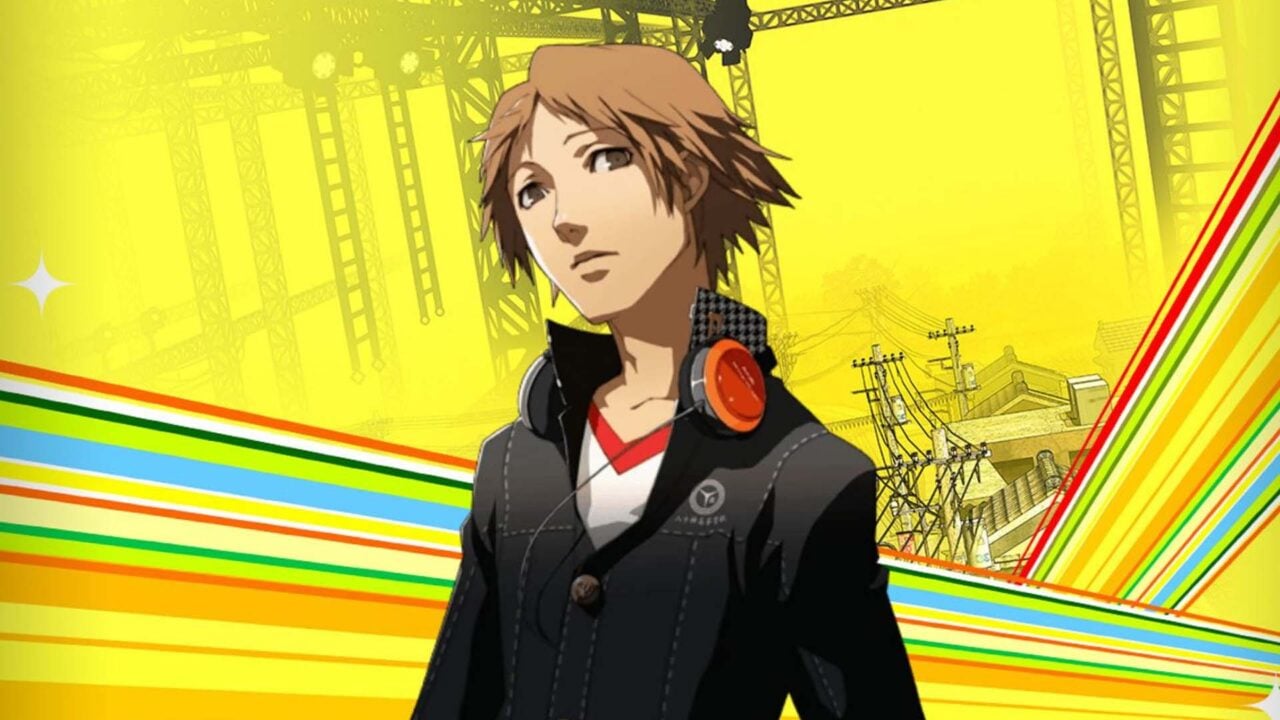
Atlus, the famous Japanese video game studio, recently made news with its choice to substitute the original voice cast for the eagerly awaited *Persona 4 Revival*. The game’s director, Kazuhisa Wada, shared their reasoning in an interview with *Gamesradar*. Wada discussed the difficulties faced in obtaining the original voice actors, many of whom have achieved significant success in the voice acting field since the game was first launched nearly twenty years ago. He noted, “There were several individuals we couldn’t secure. So we’re like, ‘Alright, I suppose we must roll up our sleeves once more. Let’s start fresh. Let’s recruit an entirely new cast and give it our all.’”

In spite of the official explanation, the narrative around the recasting has turned contentious. Several original cast members took to social media last year to express their astonishment at being passed over for the remake. Notably, Yuri Lowenthal, acknowledged for his diverse roles including Peter Parker in Insomniac’s *Spider-Man*, remarked that he had actively pursued the chance to reprise his role as Yosuke but was declined. In a now-deleted post on Bluesky, he openly mentioned, “And for those who keep asking, no, I will not be back as Yosuke for the *Persona 4* remake. I inquired. Maybe I even pleaded, but they don’t wish for me to return.”

In a similar vein, Amanda Winn Lee and Erin Fitzgerald, who voiced Yukiko and Chie in the original game, indicated that they were not contacted by Atlus to return for the revival. Winn Lee confirmed on social media, “No, I wasn’t invited to voice Yukiko in the P4 remake.”

The situation seems especially disheartening considering the notable rise in popularity of several original cast members, including well-known talents such as Johnny Yong Bosch, Troy Baker, Laura Bailey, and Yuri Lowenthal. The recasting may arise from a blend of factors, including the unavailability of these actors and possible cost factors, leading Atlus to seek an entirely new cast. Additionally, it’s important to note that characters in the *Persona* series have previously experienced different voice actors in various spin-offs, complicating the case for keeping the original cast.

Wada expressed appreciation for the original actors’ contributions, implying that if the studio couldn’t bring back all original voices, it decided on a completely new direction. However, this raises questions about the decision-making process if many original cast members indicated a willingness to return.

The developing narrative around *Persona 4 Revival* emphasizes the complexities and challenges inherent in the voice acting realm, particularly in projects that necessitate a balance between nostalgia and economic viability. The mixed reactions from fans and original cast members highlight the strong connection audiences have with the characters and the voices that animated them. As the game approaches its release, it remains uncertain how this choice will affect player reception and the overall success of the revival.

Uncategorized

Sources indicate that Sony is rebooting their live service Horizon game into a traditional co-op format, while a sequel to Horizon Forbidden West is expected to take several more years to develop.

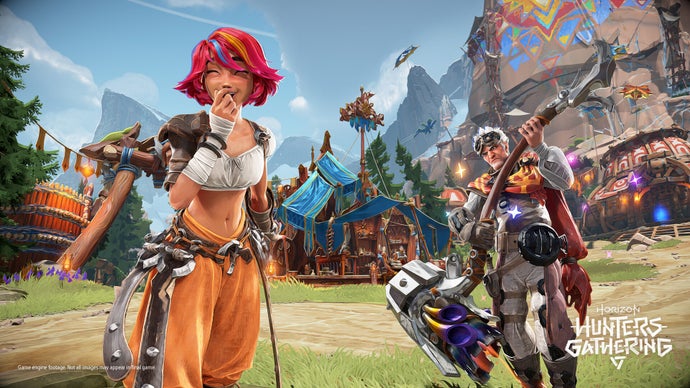
Horizon Hunters Gathering, the live service multiplayer spin-off for PlayStation’s post-apocalyptic Horizon series, is being rebooted as a smaller and more traditional co-op experience with a story mode, according to anonymous insiders. In the process, we’re told, several of the project’s staff are being reassigned within Sony’s gamedev empire, even as a small team of Guerrilla Games work on the next “proper” singleplayer Horizon game.

Read more

Uncategorized

Analysis of Orbitals: Perspectives from Kotaku

**Orbitals: A Split-Screen Co-Op Adventure Struggling to Establish Its Identity**

It’s often said that comparison steals joy, and this truth resonates intensely with *Orbitals*, a fresh co-op adventure crafted by Shapefarm. Drawing inspiration from the cherished split-screen experiences made famous by Hazelight in titles such as *It Takes Two* and *Split Fiction*, *Orbitals* seeks to find its own place. Nevertheless, it frequently resembles imitation over innovation, resulting in a gaming experience that tends to dwindle instead of thrive.

### An Aesthetic Delight Rooted in Anime

Against the backdrop of an anime style reminiscent of iconic ‘90s shows like *Neon Genesis Evangelion* and *Cowboy Bebop*, *Orbitals* showcases remarkable visuals and animation quality. The game’s protagonists, Maki and Omura, navigate a stunningly crafted world that sparks nostalgia for classic anime series. The animated cutscenes, produced by the Japanese anime studio Studio Massket, blend so perfectly with the gameplay that they risk being confused with lost treasures from the ’90s. Shapefarm’s dedication to capturing the artistic richness of the period is commendable, demonstrating a commitment to authenticity that enriches the game’s overall ambiance.

### A Challenge of Unoriginal Storytelling

However, while *Orbitals* presents an engaging visual aesthetic, the delicate boundary between homage and unoriginal storytelling becomes an issue. The game leans heavily on well-known anime clichés and narratives, often appearing as a retread of previous classics instead of a novel take. Maki and Omura, although initially endearing, degrade into mere stereotypes without the necessary depth to captivate players on a more profound emotional level. Their challenges lack the intricacy and depth characteristic of narratives like *Evangelion*, leading to a storyline that feels shallow and underdeveloped.

This narrative insufficiency impacts the overall gaming experience. Instead of crafting an engaging story, *Orbitals* favors a condensed recounting of more intricate plots, compelling players to depend on the gameplay mechanics to propel the experience. While the cooperative puzzle-solving is enjoyable, it often unfolds at a lagging pace rather than delivering the exhilarating peaks typically associated with the genre.

### Cooperative Gameplay: The Core of the Experience

*Orbitals* combines ship-based exploration and tool-centric puzzles, where players must collaborate to navigate and tackle challenges. One player steers the ship while the other manages its turret, creating a dynamic duo experience that relies on teamwork. Memorable instances occur when the gameplay defies expectations, such as during boss battles requiring players to adapt under pressure. These moments enhance the gameplay when they appear; however, they do not occur frequently enough to maintain consistent engagement throughout the game.

As players venture through space stations, Maki and Omura employ various tools, including grappling hooks and lasers, to solve puzzles. These instances can foster a gratifying sense of collaboration, especially when players align their actions cleverly. Yet, as the game advances, the repetition of similar puzzles risks entering a realm of predictability, reducing the excitement of exploration and teamwork.

### The Verdict

Ultimately, *Orbitals* stands as a commendable effort to embody the essence of its inspirations, yet it struggles to establish itself beyond these influences. While it displays a high level of artistic accomplishment and enjoyable moments in cooperative gameplay, the narrative weaknesses and dependence on familiar tropes hinder its ascent to greatness. The game may satisfy those seeking a fun joint experience, but for those longing for a captivating narrative that reflects the brilliance of its predecessors, *Orbitals* may leave an urge to revisit the classics from which it draws influence. As players tackle challenges alongside their partners, many may find themselves reminiscing more about the brilliance of past anime than about any significant insights *Orbitals* provides.

In conclusion, while *Orbitals* is a capable addition to the split-screen co-op genre, it ultimately leaves players desiring more, highlighting the idea that to achieve true greatness, one must not only pay tribute to the classics but also endeavor to craft something uniquely their own.