Uncategorized

PlayStation 3 Emulator Creators Ask for Decrease in AI Code Pull Requests

### RPCS3 Team Requests Halt on AI-Derived Code Submissions

The RPCS3 team, responsible for the premier open-source PlayStation 3 emulator, has openly discussed problems arising from unsolicited code submissions of dubious quality from AI-sourced origins. In a recent update shared on social media platform X, the management of RPCS3 conveyed their dissatisfaction with the surge of what they labeled “AI slop code” being uploaded to their GitHub repository. Initially polite, the tone soon shifted to a more straightforward approach in responses to users defending their contributions.

Since its launch in 2011, RPCS3 has granted enthusiasts the ability to enjoy PlayStation 3 games on various platforms. Over time, it has transformed into a powerful emulator capable of handling approximately 70% of the PS3’s game library. This achievement has relied not only on the efforts of the core development team but also on a community that actively enhances its codebase via GitHub.

In their announcement, the RPCS3 team urged contributors to refrain from submitting poorly constructed code produced by AI tools. They highlighted that numerous resources are accessible for developers to grasp proper debugging and coding methods, rather than generating code they do not fully comprehend. The message stated, “Please cease submitting AI slop code pull requests to RPCS3. We will begin banning those who do without proper disclosure. There are ample online resources to learn how to debug and code instead of producing slop that you don’t understand and that doesn’t function.”

This appeal signals a rising concern among open-source projects confronting an overwhelming volume of submissions from automation tools that fail to meet the quality standards vital for operational software. The team’s frustrations were exacerbated by a previous interaction where they wryly responded to a user questioning their decision-making in rejecting submissions, asserting, “You can’t possibly handwrite the type of rubbish AI slop we have been observing.”

RPCS3 is not the only one facing this challenge. Other notable developers, such as Rémi Verschelde from the Godot Engine, have also noted a substantial increase in AI-generated pull requests. The Godot team is even contemplating hiring more maintainers to manage the influx of low-quality submissions.

As the discussion on AI’s role in software development advances, the RPCS3 team’s appeal serves as a clear reminder of the necessity for quality coding practices within the open-source community. Emulating intricate systems like the PS3 demands not only advanced programming capabilities but also a profound comprehension of the platform’s architecture, an area where hastily created AI code generally falls short. The RPCS3 team’s resolute position underscores the importance of human expertise in software development and the ongoing requirement for developers to engage meaningfully with their projects.


Uncategorized

Top Five Pinball Machines Suggested for Newcomers

## Pinball: The Genuine Game of Monarchs

Pinball devices signify an intriguing fusion of mechanical innovation, artistry, and game creation, with origins that trace back for centuries. The contemporary pinball narrative began to develop in the 1930s, transitioning through multiple waves of favor, with notable surges happening in the 1990s. Nowadays, nostalgic individuals from the ‘90s are propelling a revival in barcades, where these devices are revered not merely as games but as captivating social interactions.

### The Progression of Pinball Design

Throughout the years, pinball devices have expanded upon their core traditions, especially in gameplay design. Elements such as modes, multipliers, multi-balls, and the tactical layering of various advancement types enrich the experience, presenting players with the likelihood of significant jackpots and rewards. Nevertheless, these intricacies may intimidate those who are new. While fundamental advice like “hit whatever’s glowing” and “don’t operate both flippers simultaneously” can help, there are particular machines that are crafted to be more welcoming and aid novices in honing their abilities.

### Five Beginner-Friendly Pinball Machines for Novice Players

Presented here are five pinball machines that sport straightforward, clearly articulated rule sets, making them easier to locate and less punishing for beginners.

#### 5) *High Speed* (Williams, 1986) / *The Getaway: High Speed II* (Williams, 1992)

Crafted by Steve Ritchie, *High Speed* challenges players to outsmart law enforcement in a street showdown. Players must navigate a stoplight through distinctly marked targets to trigger a multi-ball for jackpot chances. This game is rapid yet equitable, achieving a harmony that maintains the interest of newcomers. Its follow-up, *The Getaway*, preserves the initial layout while introducing an LCD screen and new gameplay modes, further enhancing the experience.

#### 4) *Scared Stiff* (Midway, 1996)

*Scared Stiff* stands out among Elvira’s pinball offerings, boasting an approachable design centered on clear regulations and captivating gameplay. Players aid Elvira in filling the Stiff-O-Meter by vanquishing various monsters dispersed across the playfield. The game’s layout—completing minor modes to unlock a wizard mode for greater jackpots—smooths the learning curve for new players while delivering excitement.

#### 3) *Pin*Bot* (Williams, 1986)

*Pin*Bot*, designed by Python Anghelo, features a playful sci-fi motif paired with a classic design. Players embark on a mission of galactic exploration aimed at completing Pin*Bot’s core by striking matching targets. The straightforward nature of its skill-shot and the mechanics for triggering multi-ball introduce enjoyable elements without overwhelming those new to the game.

#### 2) *World Cup Soccer* (Midway, 1994) / *NBA Fastbreak* (Williams, 1997)

Both *World Cup Soccer* and *NBA Fastbreak* acclimate players to their respective sports through easy-to-understand mechanics. *World Cup Soccer*, launched during the 1994 US Cup, permits players to compete in tournament-style matches against a variety of nations, focusing on getting a ball past the goalie. Similarly, *NBA Fastbreak* distinctly incorporates scoring through shots made into a net, offering a rapid gameplay experience. Discovering them together unlocks thrilling simultaneous multiplayer action.

#### 1) *Medieval Madness* (Williams, 1997)

Often regarded as one of the finest pinball devices, *Medieval Madness* serves as an outstanding entry point for inexperienced players while concurrently providing enough complexity to satisfy seasoned veterans. Crafted by Brian Eddy and Lyman Sheats, this game features a clear and balanced layout where players strive to defeat the King of Payne. The straightforwardness of task associations—such as jousting and dragon-slaying—combined with fewer targets offers a user-friendly experience that progresses toward rewarding multi-ball chances.

### Conclusion

Pinball devices persist in enchanting players by delivering timeless gameplay that connects simplicity with complexity. For newcomers to this genre, embarking on their journey with these suggested machines can yield an enjoyable and engaging entry into the thrilling domain of pinball. Whether you’re a returning enthusiast from the ‘90s or a new face, the allure of pinball presents something delightful for everyone.

Uncategorized

Top 10 Fresh Anime to Enjoy This Spring 2026

# Spring 2026: A New Chapter in Anime

The spring of 2026 greeted fans with an exceptional array of anime, presenting a rich tapestry of narratives and artistic expressions that left many viewers thrilled yet exhausted. While popular titles such as *Frieren: Beyond Journey’s End*, *Jujutsu Kaisen*, and *Hell’s Paradise* dominated the previous season, the forthcoming spring of 2026 is shaping up to be an exciting period for new series vying for both acclaim and depth in storytelling. Here’s a look at ten noteworthy new anime from spring 2026 that have captured the fascination and esteem of audiences.

## *Nippon Sangoku*

*Nippon Sangoku* emerged as an unexpected sensation this season. Initially overlooked, its distinctive animation style and narrative have enticed viewers. Drawing parallels to *Vinland Saga*, the anime offers a somber yet optimistic story that holds audiences’ attention. The woodblock print animation technique is especially impressive, enhancing the overall visual appeal of the series and setting it apart from more traditional approaches.

## *Snowball Earth* (*Sunoubōru Āsu*)

With a hint of irony, *Snowball Earth* merges wholesome elements with sporadic moments of surprising gore. Set in an apocalyptic world, it tells a story about friendship and survival that engages emotional stakes while retaining a cheerful tone. Studio Kai’s involvement guarantees a standard of quality that fans have come to expect following their prior hit, *Sentenced to Be a Hero*.

## *Scenes from Awajima* (*Awajima Hyakkei*)

Madhouse’s newest project, *Scenes from Awajima*, evokes feelings of nostalgia and reflection. Its dreamlike storytelling and watercolor animation create a surreal atmosphere reminiscent of childhood memories. By seamlessly interweaving various scenes, the anime resonates with viewers yearning for comfort and familiarity amidst its otherworldly presentation.

## *Kill Blue* (*Kill Ao*)

Conceived by Tadatoshi Fujimaki, recognized for his work on *Kuroko’s Basketball*, *Kill Blue* presents a unique scenario in which a hitman inhabits the body of a teenage boy. This comedic premise succeeds in eliciting laughter while delving into themes of identity and belonging, making it a valuable watch for those seeking humor combined with depth.

## *Mao*

*Mao* offers a contemplative exploration that resonates strongly with fans of Rumiko Takahashi’s creations. The artistic style and narrative flow evoke a sense of nostalgia, transporting viewers back to simpler eras in anime. Even without cutting-edge animation or intricate storytelling, *Mao* leaves a significant impression on audiences through its poignant scenes and character interactions.

## *Marriagetoxin*

In spite of initial doubts regarding its promotional materials, *Marriagetoxin* proves to be a delightful revelation. Produced by Bones, this series surprisingly emphasizes comedy over romance, unfolding heartfelt moments that reveal the richness of its characters. Its success reinforces Bones’ reputation for crafting captivating narratives that connect with a broad audience.

## *The Ramparts of Ice* (*Koori no Jouheki*)

Another entry from Studio Kai, *The Ramparts of Ice* delves into themes of love and relationships within a high school context. By centering on a love triangle, this series introduces additional complexity that provokes deeper emotional engagement compared to standard romantic comedies. The portrayal of authentic teenage characters enhances its relatability and charm.

## *Daemons of the Shadow Realm* (*Yomi no Tsugai*)

Hiromu Arakawa’s *Daemons of the Shadow Realm* stands out as a highly awaited adaptation. With Bones as its producer, the series effectively captures Arakawa’s signature art and storytelling style in a visually stunning anime. Its pacing and character relationships promise a rich viewing experience, making it a must-see this spring 2026.

## *Go for It, Nakamura!* (*Ganbare! Nakamura-kun!!*)

Animation studio Drive introduces *Go for It, Nakamura!*, a refreshing interpretation of the coming-of-age genre with a Boys Love twist. Its distinctive visual approach echoes a vibrant pop-art aesthetic, complemented by genuinely humorous and heartfelt writing. The narrative’s gradual pace facilitates character development that resonates deeply with its viewers.

## *Witch Hat Atelier* (*Tongari Boushi no Atelier*)

Closing the list is *Witch Hat Atelier*, which has quickly garnered recognition as one of the season’s top-rated anime. With its outstanding animation and profound storytelling, the series has captivated both audiences and critics alike. Bug Films’ commitment to crafting a visually remarkable masterpiece is evident, positioning *Witch Hat Atelier* not only as a standout of spring 2026 but potentially as a new hallmark of contemporary anime.

### Conclusion

The spring 2026 anime offerings provide a varied collection of storytelling that highlights not only high production standards but also innovative and captivating narratives.

Uncategorized

Recently Uncovered Exploit for Rockstar’s Bully Enables Players to Obtain BB Rifle After Two Decades

**The Pacifist Journey: Uncovering Exploits in Rockstar Games’ Bully**

In the last six months, a committed gamer has undertaken a remarkable quest to finish Rockstar Games’ 2006 open-world game, *Bully*, without causing harm to any non-playable characters (NPCs). This distinct pacifist challenge has inadvertently uncovered new exploits that enable players to access some of the game’s previously restricted weapons, including the sledgehammer, explosive football, and most recently, a rifle.

Content creator [JustGarrison](https://www.youtube.com/watch?v=f6Wx2meZZBg) recently posted his discoveries on YouTube, outlining the exact steps required to obtain the rifle in free roam. He stresses that these exploits do not utilize any mods or external tools and can be used in any version of *Bully*. This finding is particularly intriguing as the rifle is usually only accessible during the shooting range minigame.

Interestingly, although its intended use is limited, the rifle does deal damage to NPCs. This suggests that the weapon was coded with functions beyond what players generally encounter, indicating that a means to use it in free roam may have been omitted during the game’s development. Nonetheless, the presence of buggy animations and the capacity to fire the rifle during cutscenes imply it might have been either unfinished or that Rockstar chose to eliminate its third-person assets before the game’s release.

While the rifle in question only discharges BB pellets, Rockstar Games’ choice to limit access to this weapon outside of the minigame is reasonable. The appearance of allowing characters to fire guns within a school setting could attract media attention, especially since the game was launched shortly after the contentious “Hot Coffee” minigame from *Grand Theft Auto: San Andreas*. Considering the backlash at that time, it is likely that Rockstar decided to exercise caution regarding the rifle’s inclusion.

In summary, JustGarrison’s pacifist journey has provided intriguing insights into *Bully*, uncovering unintended gameplay mechanics and raising questions about the developmental decisions made by Rockstar Games. This unpredicted endeavor not only entertains but also initiates discussions about game design and the ethics of content within gaming narratives.

Uncategorized

“Analyzing SiN Episodes: Emergence – A Valve-Backed Shooter’s Attempt and Challenges in Launching Episodic Gaming”

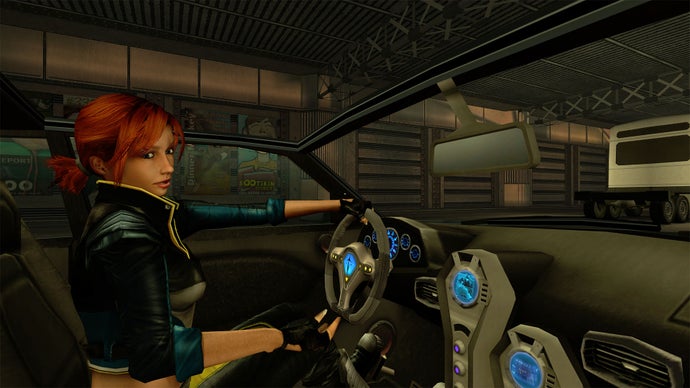
On May 10, 2006, Ritual Entertainment released SiN Episodes: Emergence, the first of nine episodes set in the sci-fi megalopolis of Freeport City. Backed by Valve and launched on Steam just a month before Valve’s own Half-Life 2: Episode 1, the game felt like it was the start of something new. Ritual even had Gabe Newell singing their significance, saying in Emergence’s launch day press release that “With the release of SiN Episodes: Emergence Ritual is leading the industry’s long overdue migration to producing episodic content.”

Valve famously released just two Half-Life episodes before stalling. Ritual only ever managed one.

But, as I learned when talking to some of its creators, SiN Episodes: Emergence is much more than a hiccup in the history of gaming, it was a title torn between the old publishing traditions of the 90s and newly emerging technologies of the 00s. They also told me about the time they “faked the shit out of” all the screenshots for a PC Gamer exclusive.

Read more

Uncategorized

Sunday Newspaper Roundup

Sundays are, and apologies in advance for the less-fun-than-average intro, for peeling back the layers of the smelly legal onion that is scattering pet ashes in the UK. The government’s Regulatory Position Statement (or RPS – no relation) suggests this is only easily done on property you already own, which makes things tricky for my flat leasehold – if you’re unfamiliar with this term, it’s a bit like what Steam is to games, in that I don’t technically own jack shit. My willingness to sneakily spread Roxy, who I’m more pleased to report went to sleep while blissfully stoned, across a nearby garden has also been sapped by the knowledge that ashes are highly alkaline, and could thus kill weaker plants and grasses. Shame, really. She loved destroying things.

Read more

Uncategorized

Mega Crit Removes Doormaker from Slay the Spire 2 and Introduces New Boss

Another week, another Slay the Spire 2 patch! Or really I should say another couple of weeks. The new beta version of the game, v0.105.0, is ready for those of you on the beta branch to try out, and the first point of order is bi-weekly patching. “As you’ve probably noticed, we’re moving to patch every 2 weeks rather than weekly as outlined in our Early Access Disclaimer,” explain developer Mega Crit.

Read more

Uncategorized

“AlteredBlood+: A Movement Shooter Set in the Dying Universe Where Absorbing Enemies’ Blood Is Essential for Survival”

The year is 3232 CE, a “self-replicating megastructure” named MOTHER is launched into the centre of space. Fast forward to the year 4,199,245,344,263,242,348,389,893,582,349,373 CE (no I’m not joking), and MOTHER has “consumed 99.99999997% of the Observable Universe.” What’s left of humanity hangs on in that tiny percentage that hasn’t be consumed, which is where you, a Reaper, a creation of MOTHER’s, steps in as part of AlteredBlood+, a movement-FPS platformer where the blood of your enemies is your strength. Also you’re a furry!

Read more