Uncategorized

Critics Express Discontent with the Official GenAI Music Video for the Sequel, Including Fans of Stellar Blade

### Shift Up’s Controversial AI-Created Music Video for Stellar Blade: Blood Rain

Kim Hyung-tae, founder and CEO of Shift Up, is encountering substantial criticism from fans following the debut of an AI-created music video for the upcoming game *Stellar Blade: Blood Rain*. The video, titled “Wanna be in LOVE” featuring Evie, aims to highlight the game’s protagonist but has garnered predominantly negative responses from the community.

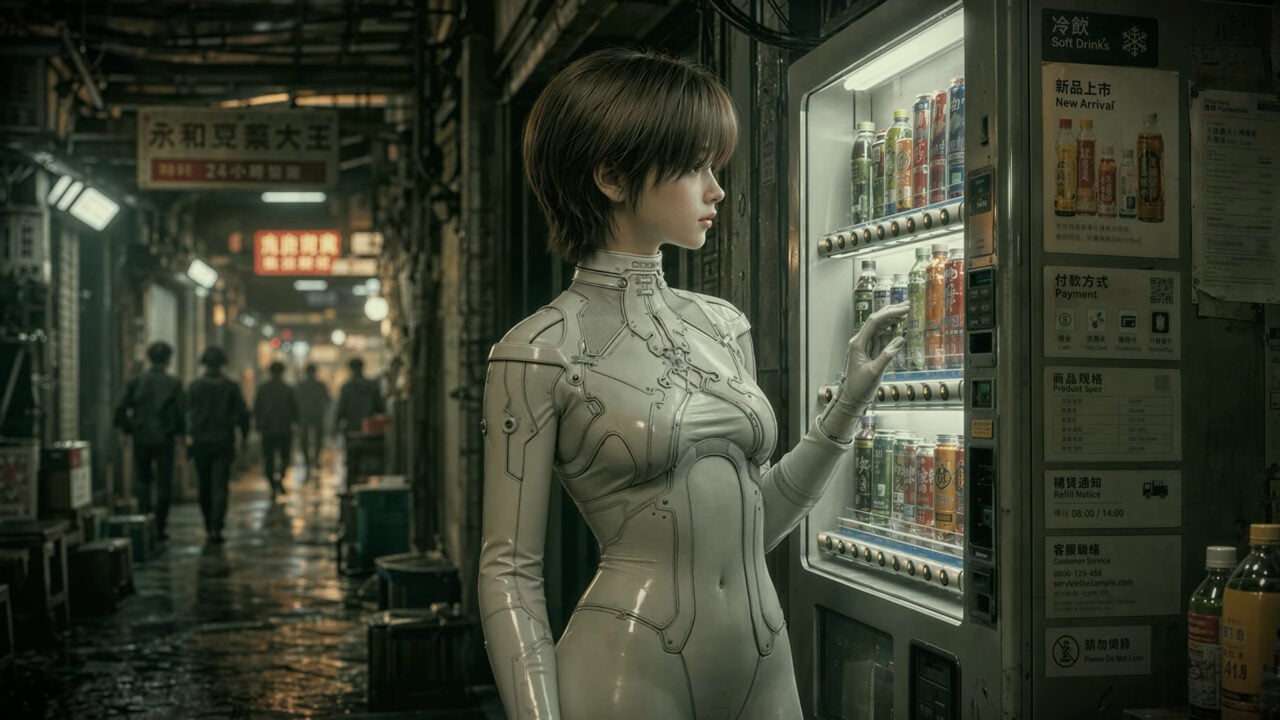
The music video, launched late at night, has been promoted with disclaimers emphasizing that it is “Made with AI” and consists of altered or entirely generated audio and visuals. In spite of these notices, numerous fans are condemning the quality and execution of the video. Particularly, inconsistencies in Evie’s appearance throughout the video, including a fragmented facial representation, have raised concerns.

Additionally, the video includes AI-generated text that displays considerable mistakes. Viewers observed nonsensical phrases such as “Preduet Spee” and “Custemef Service” shown in a scene with a vending machine, and “Meaiiatations” instead of Marcus Aurelius’ *Meditations* on a shelf. Such mistakes not only diminish the visual experience but also indicate a lack of quality control in the final output.

Dissatisfaction was evident on social media, with one user highlighting the unpleasantness of the video and voicing worries that this could alienate fans from *Blood Rain*. Another user condemned the use of generative AI for promoting the game, cautioning that the backlash could severely damage the intellectual property. Notable Twitch streamer BasedLEDA expressed vexation over Hyung-tae’s decision to depend on AI instead of utilizing the skilled creative team behind the game.

This controversy follows Kim Hyung-tae’s earlier remarks commending AI technology for its ability to boost productivity in game development. In an interview, he indicated that employing AI could enable a small team to produce outcomes comparable to larger teams in competitive landscapes, reflecting a wider trend in the gaming industry of incorporating AI to enhance development capabilities.

As excitement for *Stellar Blade: Blood Rain* continues to grow, the community remains vigilant. Fans hold out hope that the game itself will preserve the artistic integrity and high standards that were anticipated, separating itself from the perceived flaws of its marketing efforts. The reception of the AI-generated music video indicates a critical perspective among fans concerning the convergence of AI technology and creative expression in the gaming realm.

Uncategorized

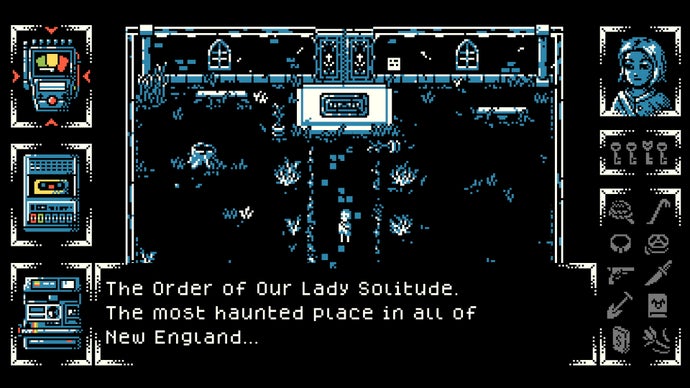
Former Assassin’s Creed Developer Creates Ghost-Hunting Horror Mystery Game Featuring Abandoned Convent Exploration and Instant Camera Mechanics

What’s the next logical games industry career step after being a cinematic director on Deus Ex: Human Revolution, a lead cinematic consultant on XCOM: The Bureau, and a director at Ubisoft Montreal working on Assassin’s Creed Unity and the recently reborn 1666: Amsterdam? If you answered “explore abandoned convents with a camera crew, proceed to make a horror game about it”, then you are clearly Jesse Malcolm Sweet, developer of Sisters of Solitude, and I’ll thank you to keep your nose out of my drafts. G’wan, get thee to a nunnery!

Read more

Uncategorized

Author of Fantasy Best-Seller Voices Frustration with Movie Adaptation, Labels It ‘The Most Dreadful Experience’

### Film Adaptation of *Children of Blood and Bone*: Disputes and Author’s Dissent

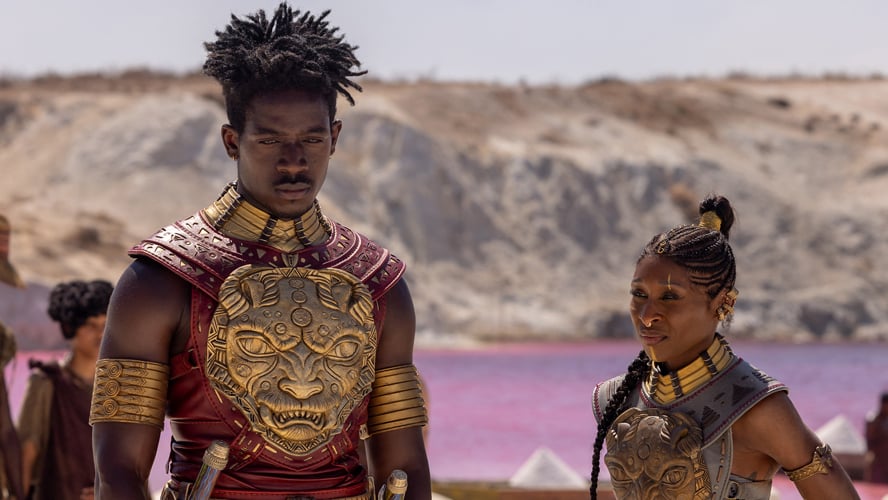
Next year, the eagerly awaited film adaptation of Tomi Adeyemi’s young adult fantasy novel *Children of Blood and Bone* is poised to premiere in theaters. Renowned director Gina Prince-Bythewood, celebrated for her work on *Love & Basketball*, will take charge of the project, featuring a star-laden cast that includes Cynthia Erivo, Viola Davis, Idris Elba, Chiwetel Ejiofor, and Amandla Stenberg. However, the approach to the film’s January release has been marred by a public disagreement between Adeyemi and the production team.

In recent TikTok videos, Adeyemi has made it known that she will not be involved in the movie’s promotional efforts and has distanced herself from the adaptation. In one notable clip, she indicated that she would not watch the film when it debuts. Unlike numerous authors who convey disappointment with adaptations of their creations, Adeyemi’s worries appear to go deeper, suggesting personal and professional issues she claims have not been resolved behind closed doors.

In a previously removed video, Adeyemi announced she was “officially separating [her] name” from the film, disclosing a message she allegedly sent to Stenberg in 2025, instructing her never to refer to Adeyemi in interviews. This serious action signifies a considerable breakdown in communication and trust, prompting questions about the author’s treatment throughout the adaptation process.

Adeyemi has expressed her anguish to fans, stressing that while she does not intend to dissuade them from seeing the film, she has felt “hurt and attacked behind the scenes.” In a subsequent video shared on July 29, she elaborated on her difficulties, characterizing the film’s development as “the worst thing [she’s] ever had to endure.” She mentioned experiences of intense physical pain and panic attacks connected to the circumstance, encouraging fans to assist her in moving past the controversy.

Fans have voiced criticism regarding Adeyemi’s ambiguous references to the challenges she faced, creating an atmosphere of speculation. The intricacies of her situation raise concerns about potential legal implications that might hinder her ability to fully reveal details. Initially, when the film’s casting was unveiled, the adaptation faced allegations of colorism, particularly regarding Stenberg’s selection, despite her assertions that Adeyemi supported her casting. The progression of their relationship—culminating in Adeyemi’s clear decision to cut ties—remains largely ambiguous.

As Adeyemi gears up for the release of her forthcoming book, *The Siren*, scheduled for September 26, she appears eager to redirect her attention away from the film and its related drama. This intriguing scenario illustrates how film adaptations can influence authors’ lives and careers, often exposing underlying tensions in the creative process.

As the film nears its release date, audiences are likely to remain focused on both its reception and the ongoing discussions surrounding Adeyemi’s poignant but troubled relationship with the movie’s production.
Uncategorized

Square Enix Addresses Claims of AI Utilization in Kingdom Hearts Artwork as Merely Human Mistake

**Square Enix’s Kingdom Hearts Collection [I~III] Box Art Issue Clarified**

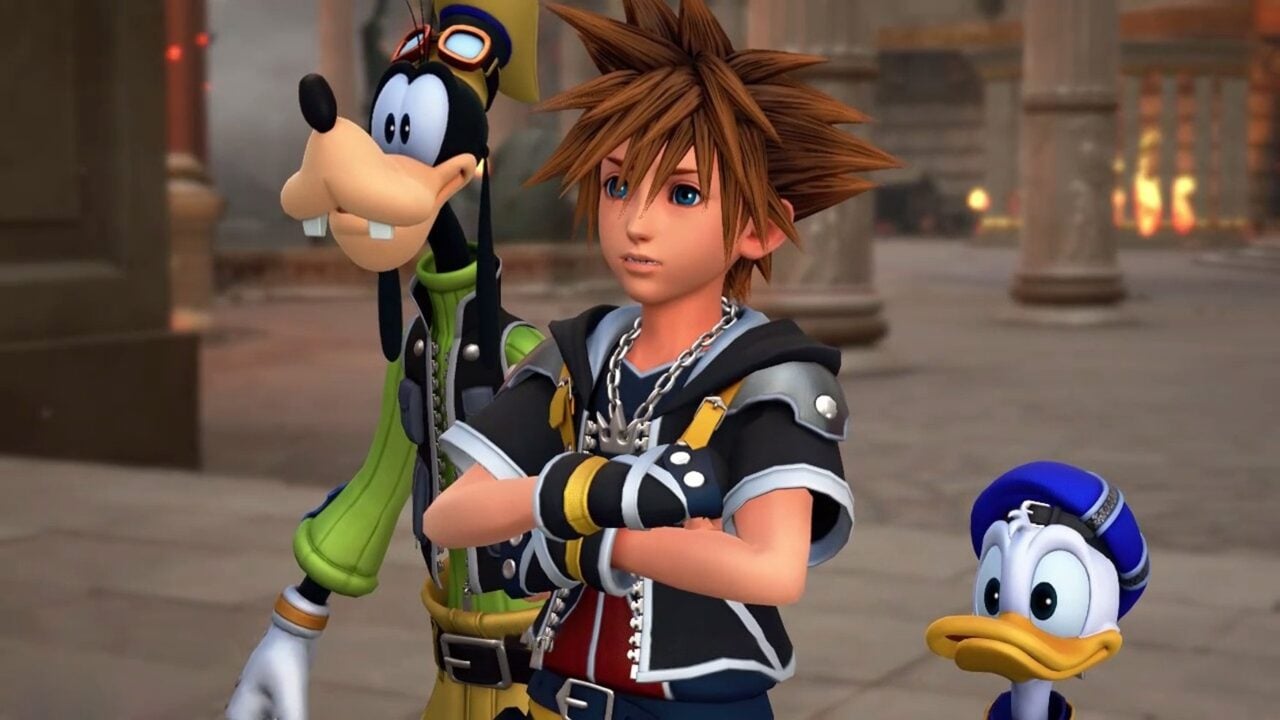
Last month, Square Enix revealed the upcoming launch of *Kingdom Hearts Collection [I~III]* for the Switch 2, a move that thrilled numerous Nintendo enthusiasts. However, the announcement was soon eclipsed by an unforeseen issue regarding the North American box art, notably concerning Donald Duck’s hand. Observers remarked on a striking inconsistency — Donald appeared to possess a differing number of fingers on each hand, sparking conversations about the artistic methodology behind the game’s visual elements.

As the box art displayed the cherished characters in a fresh arrangement, differing from Tetsuya Nomura’s initial concept where characters were centrally positioned, the alterations prompted inquiries. Speculation emerged that Square Enix might have employed an AI tool to create or adjust portions of the new artwork. Detractors highlighted the oddity of a character famously having three fingers (plus a thumb) on each hand now showing inconsistencies, leading to theories regarding AI-related mistakes during the development phase.

Notable figures in the gaming community, such as artist RJ Palmer, took to social networks to spotlight the artistic discrepancies, spurring further examination into the artwork’s creation. The dialogue gained momentum as fans voiced their worries over the fidelity of the visual representation, questioning whether proper artistic standards were being honored.

In light of the escalating speculation, Square Enix released a statement aimed at elucidating the matter. A spokesperson emphasized that the artwork in question was produced by the development team without the assistance of generative AI. “We’re aware of feedback regarding recent Kingdom Hearts visuals,” the representative informed *GameSpot*. “These assets were crafted by our development team without the use of generative AI, and the issues stemmed from human error.” This statement sought to ease concerns regarding the potential influence of AI on creative processes within the gaming sector.

Following the controversy, Square Enix acted to correct the box art; the original design featuring Donald Duck with the flawed hand has been revised in their promotional content prior to the game’s launch on October 8. The company reiterated its dedication to quality, asserting that “updated assets have been implemented where suitable” considering the feedback received.

While this occurrence drew some unfavorable spotlight on the game’s marketing materials, Square Enix’s communication also highlights a wider discourse within the industry regarding the role of AI in creative processes. Despite the setback, the firm continues to express enthusiasm about the capacity for generative AI to improve operational efficiencies in upcoming projects.

As fans look forward to the debut of *Kingdom Hearts Collection [I~III]*, this situation serves as a reminder of the fragile balance between innovation in digital artistry and the core values of traditional craftsmanship that resonate with audiences. Anticipation for the game’s release remains high, with players eager to experience the nostalgic adventures of Sora, Donald, and Goofy in a new format.

Uncategorized

Sony Upholds Position on Ongoing PlayStation Discs Amidst Fan Backlash: Pledge to Move Forward with Care

It has been almost a month since Sony revealed its contentious choice to discontinue physical PlayStation discs for new releases starting in 2028. This move toward an entirely digital gaming approach has ignited considerable backlash from a large portion of the gaming community. In light of the persistent criticisms, Sony addressed these issues during its recent earnings call on July 31.

Sony’s chief financial officer Lin Tao recognized the intense feelings associated with physical games and provided insight into the reasoning behind the change. He indicated that the prevailing trend towards digitalization is not exclusive to the gaming sector but mirrors broader shifts across various types of content. “There are multiple factors that led us to this decision, the primary one being that the overall digitalization of content has been advancing,” Tao remarked.

As the conversation progressed, Tao stressed that extensive deliberation had informed this choice. He conveyed that while they have acknowledged and understood the community’s passionate viewpoints on the subject, Sony remains committed to pursuing the intended changes. Tao pointed out that games hold significant value for players, often connected to cherished memories, and recognized the emotional ties many have to physical media.

In spite of the opposition, some gamers have started movements to boycott PlayStation, planning a week-long demonstration in mid-August. Supporters of physical gaming argue that Sony’s current direction, including studio closures and a perceived disconnect from community interests, renders this decision as the breaking point. This view resonates with fans who feel that owning physical copies of games signifies a level of ownership that is increasingly endangered in a digital-focused future.

Investment analysts expressed concerns about how shifting away from physical discs might affect Sony’s relations with retailers and how PlayStation would sustain a competitive advantage over gaming PCs, which are also shifting towards digital formats. In his reply, Tao assured that publishers could still use empty boxes with digital codes for retail distribution, especially in regions like North America. He affirmed that the cost-effectiveness of PlayStation hardware would continue to set it apart from premium PCs despite the lack of physical media.

Furthermore, Tao reinforced the strength of PlayStation’s curated content and the stable gaming experience it offers. He contended that the digital nature of console gaming would not impede its coexistence with PC gaming, as the user experiences significantly differ between platforms.

In conclusion, while Sony’s choice to phase out physical discs for PlayStation games has sparked intense discussions within the community, the company stands firm, viewing the shift as an essential progression. As the gaming landscape evolves towards digital distribution, the dialogue surrounding ownership, accessibility, and community involvement in gaming will undoubtedly carry on.

Uncategorized

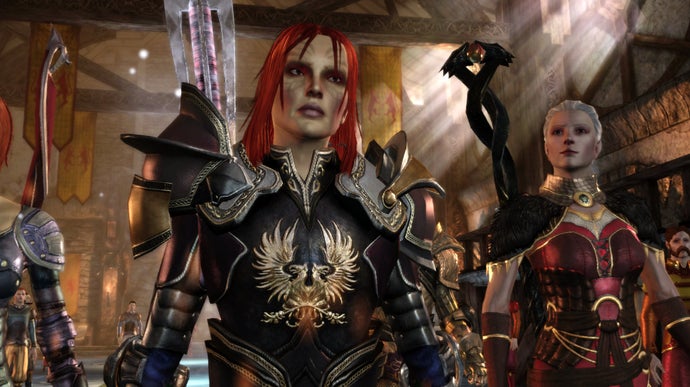
“Former BioWare Producer Advocates for Dragon Age Remaster Trilogy Despite Previous Graphics Limitations”

Former Dragon Age series producer Mark Darrah has shared his tuppence worth on the likelihood of BioWare and EA ever commissioning a full-on original Dragon Age trilogy remaster or remake. He thinks such a remastering or remakering would sell pretty well, not least because OG Dragon Age looks like a toilet bowl in a Silent Hill game (I exaggerate the sentiments here slightly). But he also thinks the odds of such a project are low, for the straightforward reason that nobody either inside or outside BioWare really understands the proprietary technology those older RPGs run on. Ah well. We’ll always have the mods.

Read more

Uncategorized

New Film Starring Alexander Skarsgård Attracts Enthusiasts of “The Wicker Man”

### Delving into Contemporary Loneliness and the Emergence of Wicker

In the swift-moving digital era, dating has grown more difficult, prompting some people to find companionship in atypical avenues, such as AI partners. The forthcoming film *Wicker*, featuring Aleksander Skarsgård, Olivia Colman, Elizabeth Debicki, and Peter Dinklage, offers a captivating, medieval perspective on this trend. The storyline centers on a fisherwoman, portrayed by Colman, who, after enduring several romantic setbacks, recruits a basketmaker (Dinklage) to fashion a husband from wicker, resulting in unforeseen developments in her village existence.

The epidemic of male loneliness is a critical concern, with numerous media sources examining the escalating challenges men encounter in forming romantic bonds. Many reports often neglect underlying causes, including the impact of online algorithms that intensify negative behaviors or the absence of essential life skills in certain men, which can obstruct their capacity to partake in healthy, fair relationships. Popular romantic fantasy literature and games, such as *Love and Deepspace*, have flourished because they showcase idealized partnerships marked by emotionally intelligent and desirable companions.

*Wicker* is set to capitalize on this emerging trend for “competency porn,” a genre where audiences seek not just humor but also aspects of romantic satisfaction and sexual empowerment. In the trailer, Colman’s character candidly talks about her developing sexual bond with her wicker spouse, presenting a novel perspective on female desire, particularly in a situation where older women’s sexualities are frequently neglected. This daring narrative style is notably transformative for a period drama, defying prevailing cultural standards.

Moreover, the trailer suggests a lighthearted depiction of the interaction between Colman and Skarsgård’s wicker figure. Rather than invoking horror, akin to classic monster stories like *Nosferatu* and *Frankenstein*, *Wicker* appears to adopt a romantic comedy approach that emphasizes charm and humor. The film explores the complexities of love, desire, and unexpectedly inventive concepts for companionship, leaving viewers eagerly contemplating the particulars of their quirky relationship — such as whether they are using lubricant.

In conclusion, *Wicker* skillfully reflects real-world patterns in dating and companionship, offering insights into contemporary relationships while enveloped in humor and whimsy. The film’s examination of loneliness, yearning, and the quest for connection in a reality where traditional romantic expressions frequently falter may resonate with audiences eager to escape into a whimsically fashioned narrative, brimming with both warmth and humor.