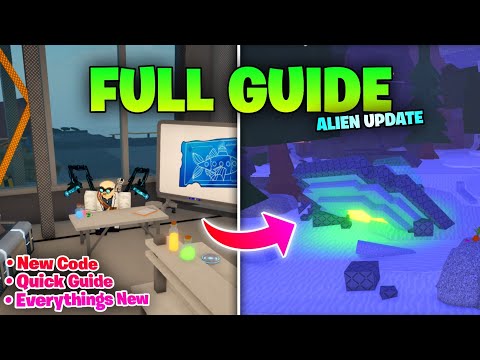
The Fisch Glorp Quest is unlockable once you have a Translator. Don’t worry, we’ll go over how to get the Fisch Translator in this guide! Curious when the Admin Abuse event occurs in Fisch? Our guide explains all.
Fisch Glorp Quest
To understand Glorp, you must obtain a Translator. Only then can you unlock his quest!
Glorp Location
To find Glorp, you need to head to Roslit Bay. He’s easy to spot, as he stands next to a UFO that’s crashed onto the island! However, once you find him, you can’t understand what he says unless you have the Translator item.
How to Get the Translator
To obtain the Translator, you must pick up a quest from Dr Crookspine, who is located in the Laboratory, which is to the North of Roslist Bay island. There is a prerequisite quest that you have to complete before unlocking the Translator quest.
How Gleebous! Quest
Before you can unlock the second part of this quest, you need to complete this one first. For this quest, Dr Crookspine asks you to catch a fish with the Gleebous mutation. Check the section at the bottom of this guide, or use the table of contents links above to find out how to get this mutation!
Understanding Glorp Quest
After completing the first quest, speak with him again to unlock the Understanding Glorp quest, which requires you to find:
- 1 Translator Core
- 1 Device Display
- 1 Communication Circuit
After collecting these items, visit Dr Crookspine again to hand them in. You are then given the Translator item!
Unlocking Glorp’s Quest
Once you have the Translator, you can now understand what Glorp’s saying. As you speak with him, you unlock the ‘Glorp Bonding‘ quest, which requires you to catch 15 fish that have the Gleebous mutation.
After meeting this requirement, you are rewarded with the Blade of Gorp fishing rod, a new title, and the Glorp’s Saucer boat.
How to Get the Gleebous Mutation
The Gleebous mutation is obtainable by fishing in abundance spots in Roslit Bay. The chance of getting a Gleebous fish this way is pretty rare, with a low spawn rate.
However, if you use the Blade of Gorp fishing rod, you have a 23% chance of catching a fish with the Gleebous mutation. The thing is, to get this fishing rod, you need to complete Glorp’s quest, so you’ll be relying on RNG at Roslit Bay.
Related Posts
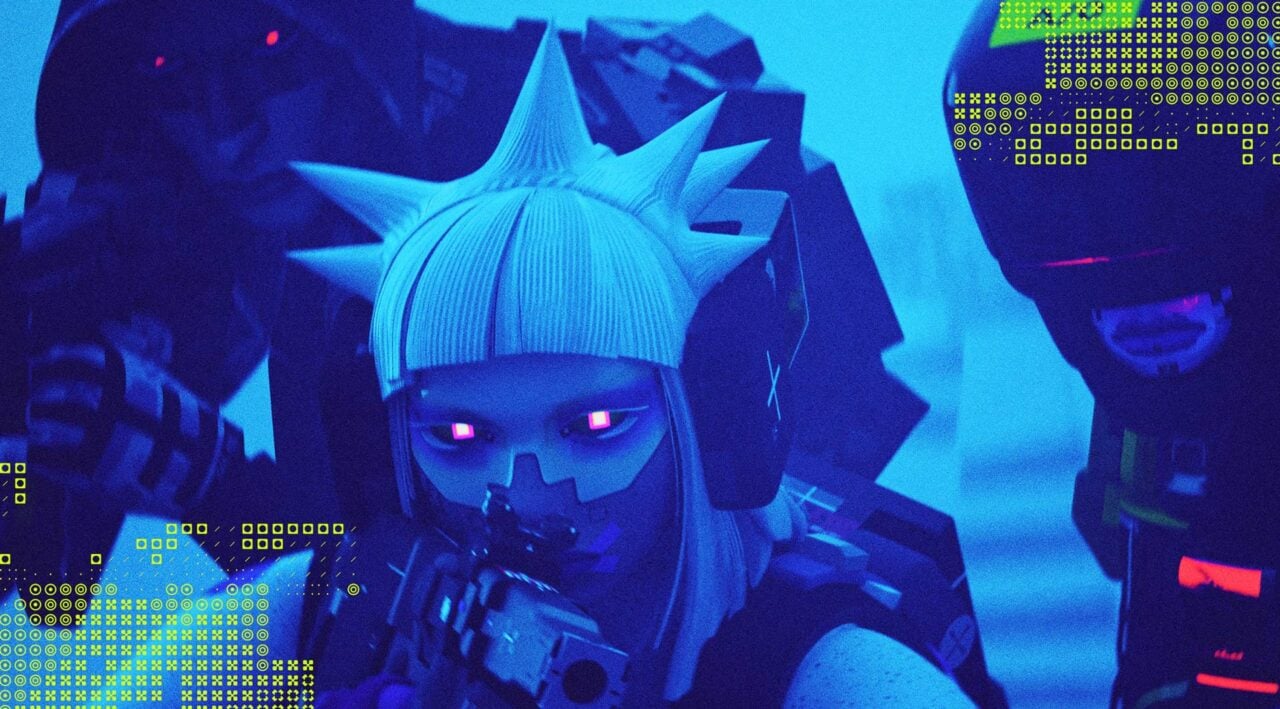
“Newly Announced Complimentary Marathon Content and Demanding Seasonal Wipes”
### Upcoming Release of Marathon: What to Anticipate from Bungie’s New Sci-Fi Extraction Shooter
Bungie’s eagerly awaited title, *Marathon*, is scheduled to debut on March 5 for Xbox, PS5, and PC, with a cost of $40. In readiness for this launch, the studio has released critical insights into the seasonal content and frequent updates via a blog entry titled “Introducing Seasons in *Marathon*.” This piece examines the features that players can anticipate in this live-service first-person shooter.
#### Seasonal Framework and Content Updates
The seasonal framework in *Marathon* will last around three months, bringing forth a variety of new equipment, Runner shells (playable characters), maps, and events. Players will be glad to know that Bungie plans to provide this fresh content at no extra charge, removing the necessity to buy downloadable content (DLC) or expansions— a shift away from the approach taken in their previous game, *Destiny 2*, which does feature paid expansions.
The first season, dubbed **Death Is the First Step**, encourages players to team up in a mission to reach the colossal UESC Marathon vessel hovering above Tau Ceti IV. This season introduces a new playable area called Cryo Archive, highlighted as an essential aspect of the game’s endgame experience. Alluding to gameplay challenges with “an entity even the UESC dreads,” references to classic *Marathon* lore, including encounters with S’pht Compilers, are sure to thrill dedicated fans of the series. Moreover, a ranked mode will be added later in this season.
The second season, **Nightfall**, aims to provide a nighttime version of one of the current zones along with fresh backpacks, cores, and other gear. Bungie has promised that each seasonal update will include a distinct collection of content designed to enrich gameplay experiences, featuring new PVE adversaries and diverse playstyles for current zones.
#### The Notion of Seasonal Wipes
A significant feature of *Marathon’s* seasonal framework involves the enactment of “seasonal wipes.” At the beginning of each season, all equipped gear, vaulted loot, contract progression, faction progression, and player levels will reset. Bungie clarifies that this is an intentional mechanic designed to sustain a fresh and competitive atmosphere.
While the prospect of losing all progression may appear severe at first, Bungie highlights that not every aspect of progress will reset; cosmetics, in-game accomplishments, and lore unlocks will be preserved. Additionally, players who have completed faction introduction quests will not need to redo them in subsequent seasons, allowing for some consistency amid the resets.
Bungie indicates that these resets maintain a dynamic gameplay experience, intensifying the urgency of in-game activities as players utilize their accumulated gear before its reset. This mechanic may create a thrilling and intense environment as the end of a season approaches, forming a “brutal playground” for adept players to demonstrate their strategies.
#### Conclusion
With its launch imminent, the appeal of *Marathon* resides not merely in its nostalgic link to Bungie’s past creations but also in its groundbreaking approach to live-service gameplay. By introducing seasonal updates and offering free content, Bungie aims to cultivate a lively gaming community around *Marathon*. As players gear up for release day, anticipation grows regarding how each season will transform the game and what challenges await in the constantly evolving world of *Marathon*.
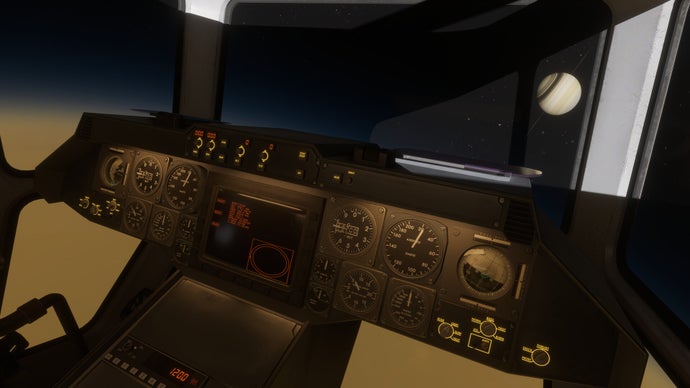
“Space Hauler: A Comprehensive Space Flight Simulator Set Around Saturn with Fully Functional Controls”
I do love a bit of space exploration in games, there’s something quite beautiful about the infinite openness, alongside having a terrifying primal fear quality. The peacefulness is often the important thing for me though, and the upcoming cargo delivery sim Space Hauler looks like it will, uh, deliver on that front.
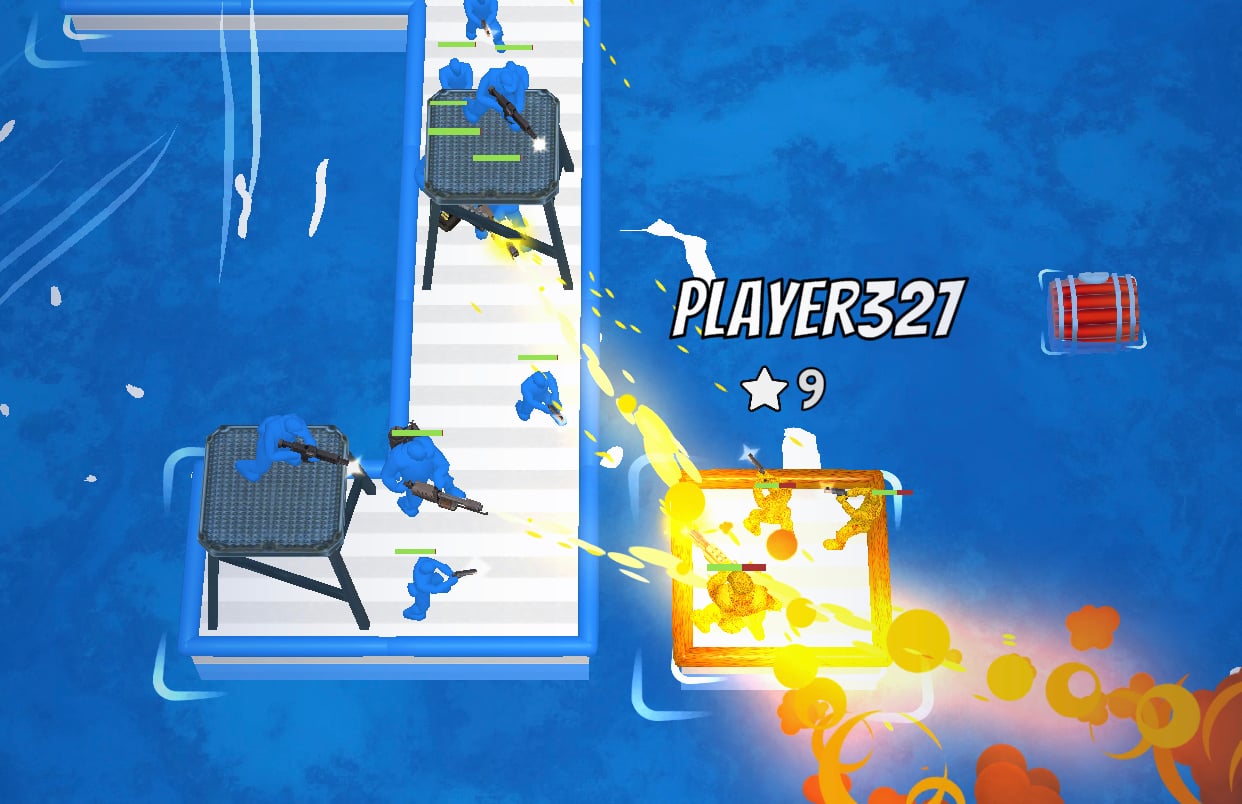
Comprehensive Masterlist and Tier Ranking of Items in Rusty Rafts
Survavbility Trinkets.
The post Rusty Rafts Items Masterlist and Tier List appeared first on Gamezebo.