
**The Legacy of Kylo Ren’s Quote: An In-Depth Examination of Star Wars Themes**
As we commemorate the tenth anniversary of *Star Wars: The Force Awakens*, it is essential to contemplate the consequences of particular iconic quotes that have infused the *Star Wars* vocabulary, especially those spoken by the character Kylo Ren. His notable line, “Let the past die. Kill it, if you have to,” articulated in *The Last Jedi*, has ignited considerable dialogue and debate among fans. This article investigates why this quote, despite its impact, has emerged as a centerpiece in conversations surrounding the franchise, frequently overshadowing the films’ richer narratives and themes.
### The Influence of Kylo Ren
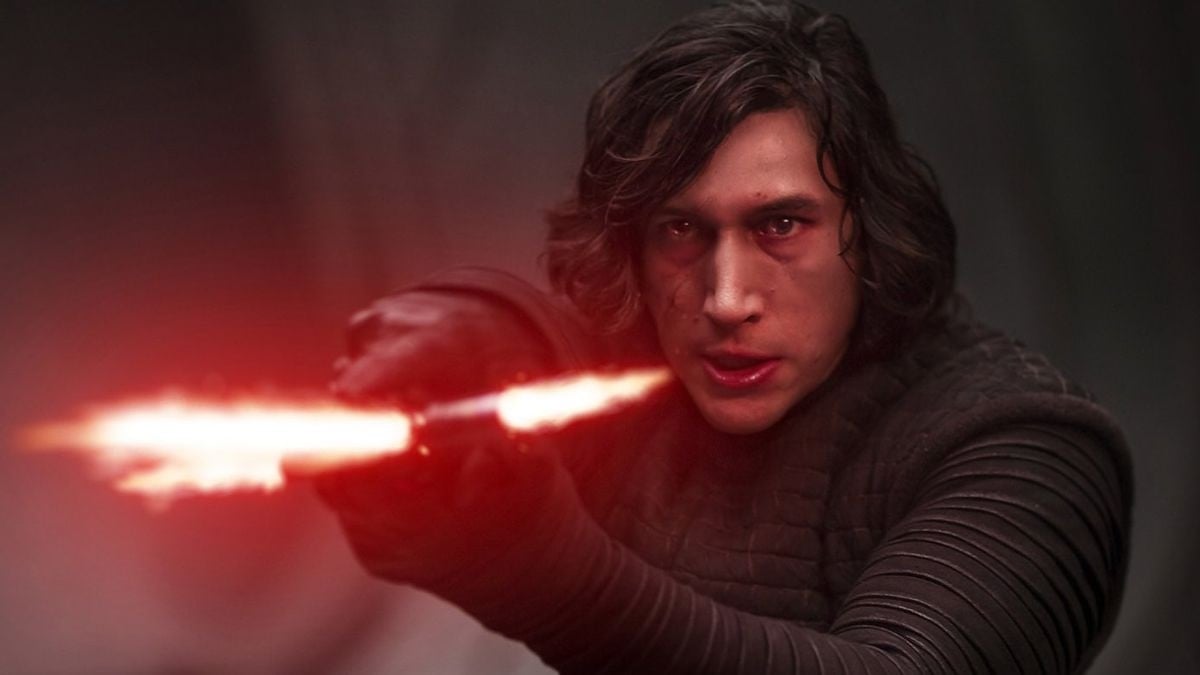
Kylo Ren, played by Adam Driver, acts as both an antagonist and a tragic character within the *Star Wars* sequel trilogy. His declaration to Rey signifies a crucial moment in their intricate relationship—a moment that embodies his conflict with identity and the burden of his familial history. The quote has resonated with audiences, partly due to its compelling rhythm and the stark ideology it signifies, promoting a total repudiation of the past in pursuit of self-fulfillment.
Nevertheless, the danger resides in how fans and critics utilize this line as an all-encompassing thesis for *The Last Jedi* and the broader *Star Wars* narrative. It is crucial to bear in mind that Kylo Ren, as the speaker of this line, is a character rooted in chaos and discord, with his motivations reflecting an inherently flawed perspective. His insistence on discarding the past is less about enlightenment and more indicative of his inner conflict and yearning for identity.
### A Franchise in Reflection
The inclination of fans to elevate this quote mirrors a more extensive trend within the *Star Wars* community: perceiving individual films not on their respective merits but as components of a larger franchise narrative. Each new film or series transforms into a referendum on the franchise at large rather than a standalone exploration of its themes. This viewpoint can detract from the distinct messages woven into each story and oversimplifies the franchise’s growth over the decades.
Successful *Star Wars* narratives frequently engage with the past. For instance, *The Last Jedi* features characters like Luke Skywalker and Finn, who each confront their histories to carve new pathways forward. Luke’s conflict—his wish to sever ties with his own past and the Jedi—ultimately contrasts with Kylo Ren’s ideology. Unlike Kylo, who aims to eradicate the past, Luke is ultimately encouraged to learn from it, accepting his legacy and motivating a new generation.
### The Complexity of Growth
*The Last Jedi* emphasizes personal development rooted in acknowledging and reconciling with one’s past. Each character who demonstrates growth in the film does so by confronting their history. Rey, for example, grapples with her identity and heritage but discovers purpose when engaging with her past rather than denying it. Similarly, Finn transitions from a stormtrooper to a rebel fighter not by dismissing his former life but by recontextualizing it within a new narrative—redefining his identity.
Kylo Ren’s philosophy, conversely, signifies an immature rejection of reality that ultimately results in a failure to glean insights from history. This refusal to confront the past usually ensures the recurrence of its errors.
### Cultural Impact and the Conversation
The culture surrounding *Star Wars* has transformed significantly with the advent of social media and online forums, giving rise to real-time discussions that can often drift into contentious territory. In a landscape where opinions can escalate into intense debates, the urge to assert a definitive interpretation of any *Star Wars* quote or theme can overshadow the nuanced storytelling that lies at the heart of the franchise.
Yet, as fans delve into these narratives, they should strive for more profound discussions that reach beyond the immediate influence of a single quote. Rather than viewing *Star Wars* merely as a corporate entity, appreciating the artistic integrity of each film allows for richer dialogues. Analyzing character arcs, themes, and symbolisms from a new perspective will enhance our understanding and enjoyment of the *Star Wars* legacy.
### Concluding Thoughts
Ultimately, Kylo Ren’s notorious line encapsulates a captivating yet flawed ideology that challenges not only the characters in *The Last Jedi* but also the audience’s understanding of history and growth. As we scrutinize this cinematic universe, it is crucial to steer discussions towards the themes of reconciliation with the past instead of outright denial. The narratives that resonate most profoundly are those that reflect our intricate relationships with our histories and how those histories shape us into who we are destined to become.
In conclusion, the *Star Wars* saga teaches us that while the past may affect us, it is through understanding and embracing our legacies that true growth and meaningful connections flourish.