
**Title: Exploring Identity and Acceptance in *Stranger Things*: An In-Depth Examination of Will Byers’ Coming Out Moment**
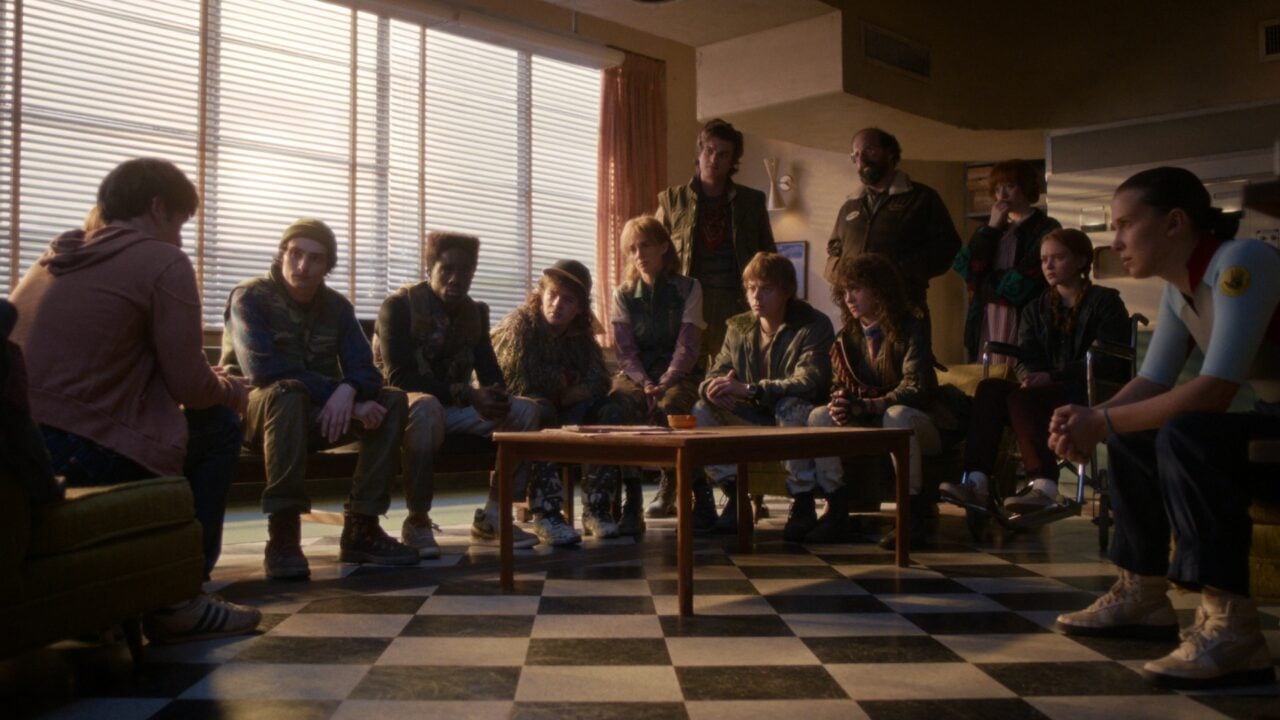
*Stranger Things*, the cherished Netflix show, is nearing its finale, with the last episode set to air on December 31. A particularly significant moment from its penultimate episode, “Chapter Seven: The Bridge,” features Will Byers, played by Noah Schnapp, as he discloses to his friends that he is gay. This crucial scene has ignited extensive conversation among audiences and critics, emphasizing not just the character’s emotional evolution but also how it connects (or doesn’t connect) with modern viewers.
### The Context of Will’s Revelation
Throughout much of the series, Will has struggled with the repercussions of his psychic link to Vecna, the primary villain. After his return from the Upside Down, he has contended with the trauma of being manipulated by Vecna, which has led to feelings of loneliness and anxiety. His coming out transforms into a pursuit of autonomy; by revealing a major secret, he aspires to diminish Vecna’s control over him. Will’s statement to his friends—that he is a “card-carrying boy liker”—is set within the storyline of conquering internalized fear and striving for acceptance in an often unfriendly world.
As Will articulates his truth, he reassures his friends that he is still the same individual they have always known, with his sexual orientation merely one facet of his identity. This reflection mirrors a common theme seen in many coming out narratives, especially those from previous decades, where acceptance relies on asserting sameness rather than embracing difference.
### The Response to the Scene
The presentation of Will’s coming out moment has elicited varied reactions online. While some spectators valued the authenticity and emotional depth conveyed by the performances, others highlighted the scene’s awkwardness, observing how it seemed misaligned with contemporary attitudes towards LGBTQ+ stories.
Critics contend that by 2025, numerous queer viewers may experience weariness towards traditional coming out narratives that stress conformity rather than individuality. Rather than showcasing how Will’s friends accept him independent of his sexual orientation, the scene underscores the notion that he must demonstrate he is still “the same” to gain their support. This viewpoint may be perceived as constraining, implying that acceptance is conditional rather than unconditional.
### Reflections on 1980s Setting
Placed in the late 1980s, *Stranger Things* poses a distinct challenge in authentically depicting LGBTQ+ identities. Although the show is rooted in a specific time period, some fans question the seemingly universal acceptance displayed by the group of characters during Will’s coming out moment. Historically, societal views from that era frequently encompassed significant homophobia. Many viewers have noted that if a bunch of teenagers in a small town encountered such a revelation in the 1980s, reactions would likely be more varied than just supportive warmth.
Nevertheless, it can also be argued that the series strives to provide comfort to younger viewers navigating their own identities, possibly offering a hopeful narrative amid the harsh truths they might encounter.
### The Writing and Execution
Another aspect of critique centers on the execution of the scene. Numerous viewers commented on the straightforwardness of the dialogue, suggesting it lacked the sophistication one would anticipate from a series recognized for its intricate storytelling. This perceived oversimplification has raised concerns about whether the dynamics of viewership, influenced by the ubiquity of distractions from mobile devices, have resulted in a dilution of rapid, impactful writing. Fans expressed regret over the missed chance to explore Will’s emotional depth and present a more nuanced examination of his challenges.
### Conclusion
Will Byers’ coming out scene epitomizes *Stranger Things*’ struggle between a well-intentioned portrayal of LGBTQ+ narratives and the complexities of representation. While it provides a vital moment of visibility within the series, the reactions reflect a wider cultural discourse on how narratives of identity and acceptance should progress. As *Stranger Things* gets ready to conclude its storylines, this scene may act as a reference point for discussions about representation and the intricacies of emerging queer identities in modern media.