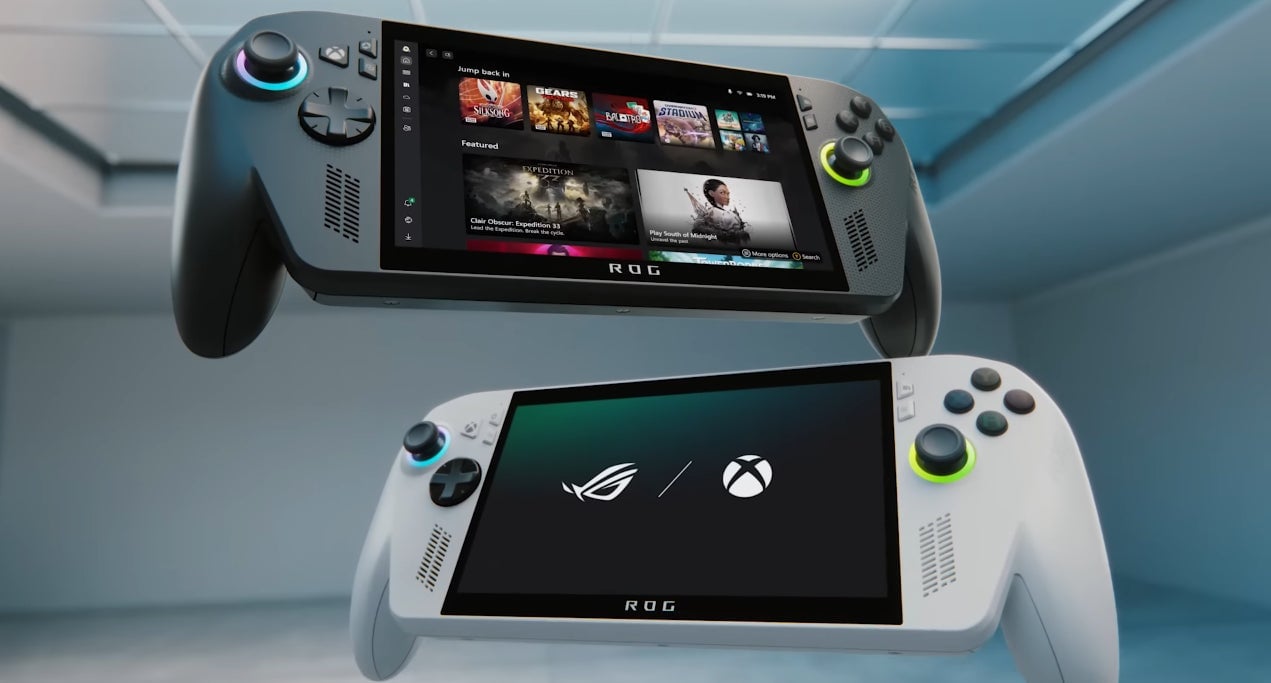

Asus has revealed expected price hikes for select items, coinciding with the upcoming CES 2026. The Taiwanese tech giant, recognized for its extensive lineup of PC gaming equipment, including the $1,000 ROG Xbox Ally X, has notified partners about “strategic price adjustments” that will take effect on January 5. While details concerning which products will undergo price increases or the magnitude of these hikes are still undisclosed, the company highlighted the ongoing artificial intelligence (AI) arms race as a key contributor to rising costs.
In a letter dated December 30, Asus executive Liao Yi-Xiang pointed to various factors impacting the supply chain as the basis for these price modifications. The letter mentioned reallocations of capacity from upstream suppliers, rising investment costs linked to advanced manufacturing techniques, and supply chain gaps caused by the growing demand for AI computing capabilities. The firm particularly noted shortages in DRAM, NAND, and SSD components as significant contributors to the upcoming price adjustments.
Asus’ alert serves as an early sign that the gaming sector may continue to encounter escalating costs in 2026. Major technology companies are increasingly concentrating on fulfilling the heightened demand for generative AI computing power, fostering expectations of broader price increases across gaming hardware. Analysts and industry insiders have predicted that companies like AMD may also face considerable shortages, with apprehensions that the Xbox console line could be especially affected due to inventory management obstacles.
Reports from sources such as Insider Gaming indicate that the repercussions of these shortages may lead to possible delays in launching next-generation consoles like the PlayStation 6 and a new Xbox model. Manufacturers are considering deferring the releases, initially scheduled for 2027-2028, hoping to improve RAM production capabilities, which could result in lower prices.
Recent updates from the South Korean outlet Newsis have suggested that both Nvidia and AMD are gearing up to elevate their GPU prices in 2026. The most concerning speculation indicates that high-end graphics cards, such as the $2,000 RTX 5090, might see their prices skyrocket to $5,000 by the year’s end. Even slight price increases in the range of several hundred dollars could worsen the ongoing affordability dilemma facing PC gaming fans.
Ultimately, while the immediate consequences of these price hikes remain uncertain, the growing competition in the AI industry has transformed companies like Microsoft and Nvidia, propelling their AI initiatives to levels where their non-AI activities barely register in financial statements. Unless a significant downturn occurs in the generative AI market—a scenario viewed as improbable—it seems that the trend of rising prices in the gaming hardware sector is poised to continue.