
The escalating prices of PC components have greatly influenced the gaming and tech arena. With hyperscalers and tech firms focused on AI utilizing large volumes of PC parts for datacenters, consumers are encountering heightened costs for graphics cards, RAM, and even preassembled PCs. Reports indicate that the prices for prebuilt systems from leading brands like HP, Dell, and Asus might increase by 15 to 20 percent, complicating the ambition of building or upgrading a PC for the average user.
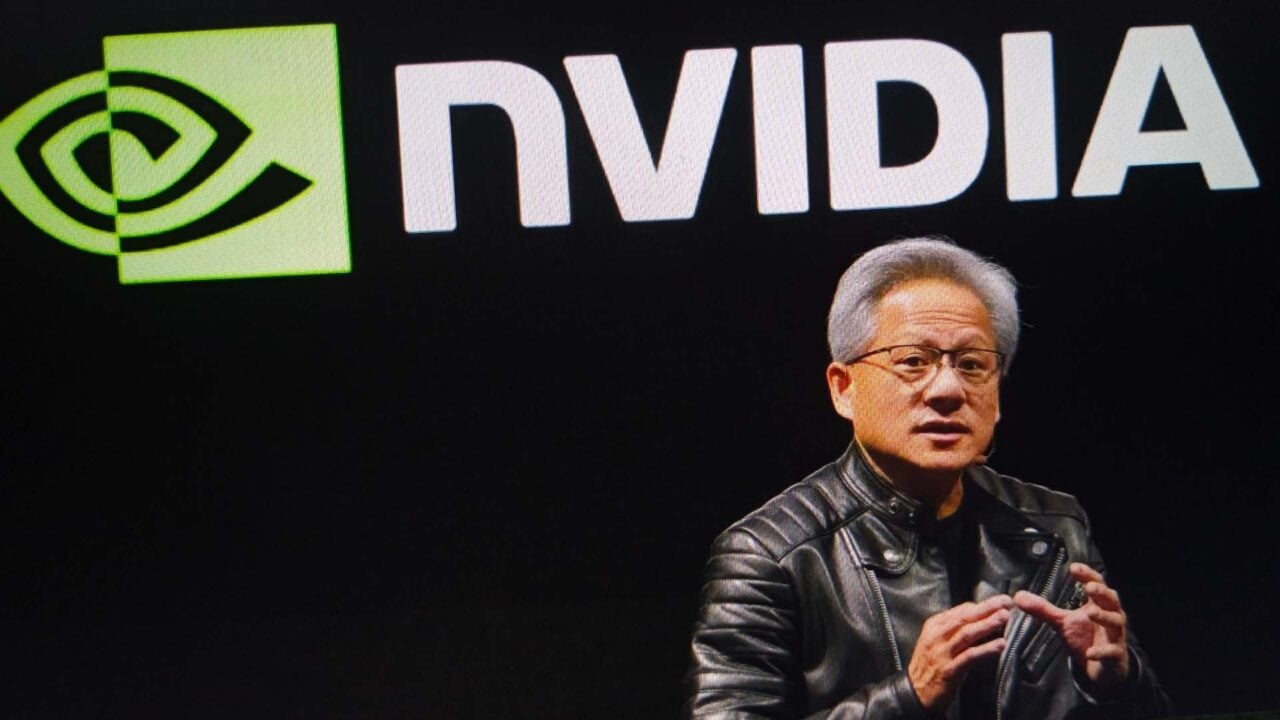
In a noteworthy turn of events, Nvidia has allegedly opted to resume production of the GeForce RTX 3060 in the first quarter of 2026. This choice arises from the surging demand and shortages for premium components, especially GDDR7 memory, which are predominantly utilized by AI firms. Initially launched in 2021, the RTX 3060 quickly gained popularity among gamers for its effective blend of performance and cost-effectiveness.
Even with Nvidia’s shift towards the newer 40 and 50 series GPUs and the initial discontinuation of the 3060, the ongoing market pressure and persistent component shortages have led to a reassessment. By bringing back the RTX 3060, Nvidia intends to offer a more reachable option for gamers eager to upgrade their systems without confronting the inflated costs of the latest technology.
The reintroduction of the RTX 3060 may act as a temporary yet crucial remedy for gamers disheartened by rising expenses. Nonetheless, there is still skepticism regarding the pricing of the reinstated model. Many are optimistic that Nvidia will price it around $200 or lower, serving those wishing to upgrade from older GPUs. However, in light of the prevailing inflation trend in the industry, doubts linger about Nvidia’s commitment to this price point.
As reported by trustworthy sources, including Nvidia leaker Hongxing2020 and Wccftech, the comeback of the RTX 3060 reflects the persistent difficulties within the tech industry. With AI companies continuing to drive the demand for specific components, industries must adapt to guarantee accessibility for regular consumers. Nvidia’s actions could relieve some of these strains while also catering to the desires of gamers seeking affordable performance enhancements.
In conclusion, the decision to resurrect the RTX 3060 underscores both the strategic moves by Nvidia and the wider consequences of component shortages intensified by the growth of the AI sector. As 2026 approaches, it remains uncertain how Nvidia will steer through these challenging circumstances and whether they will meet consumer pricing expectations.