
**An In-Depth Examination of the AI-Generated Media Trend: The Instance of the Faux *Legend of Zelda* Trailer**
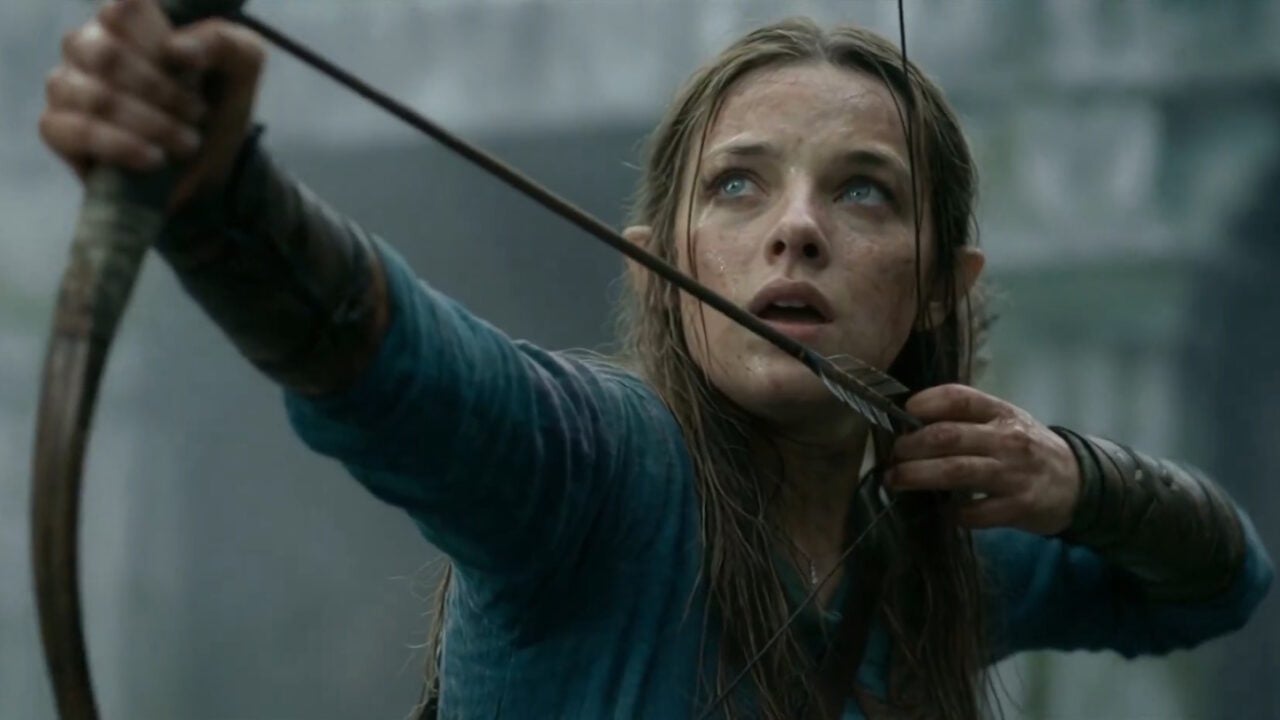
The emergence of artificial intelligence (AI) within creative domains has ushered in a profound shift in how content is crafted. A recent case that has ignited controversy is the production of a fake live-action trailer for a *Legend of Zelda* film by the AI video company Genre.ai. While the footage reveals a significant leap in generative AI innovation, it simultaneously invites critical inquiries regarding the impact of such technology on creativity, authenticity, and the entertainment sector.
### The Consequences of AI-Generated Works
A prevailing trend has been to scrutinize AI-generated productions based on their visual inaccuracies and eerie aesthetics. However, although these critiques hold merit, they can obscure a more significant concern: the fundamental tenets of creativity and originality being questioned by AI. The *Zelda* trailer may offer some visually striking sequences, but it is crucial to acknowledge that these visuals are frequently a mixture of borrowed components, devoid of genuine creativity or ethical consideration.
PJ Ace, the head of Genre.ai, enthusiastically declared on social media that he developed this trailer in just five days for a mere $300, underscoring the efficacy of AI tools. On the face of it, this achievement appears impressive; nevertheless, it masks a crucial analysis of what such swiftness and cost-reduction could mean for the industry as a whole. The trailer’s creation involved utilizing likenesses of actual actors without their consent — thus prompting concerns about copyright violations and ethical production standards.
### The Standard of AI Creations
Critics like Mike Isaac from the *New York Times* aptly noted that the trailer is “impressive narrative work if your audience largely lacks object permanence.” This observation highlights the disjointedness that emerges in generative AI endeavors, where characters often change in appearance without consistency, making it challenging to engage with the material. While the technology has made remarkable advancements — progressing from awkward, distortion-riddled images to seemingly photorealistic visuals — the heart of storytelling remains unfulfilled.
AI instruments have made considerable progress, but it is essential to emphasize that they yield outcomes lacking innate understanding or intent. The two-minute trailer might visually captivate some viewers, but on closer examination, it is devoid of a coherent narrative framework and fails to elicit genuine emotion. The application of three different AI tools to generate this content merely underscores the gap between assembly and true creative expression.
### Creative Disruption in the Sector
The dialogue transitions to a broader narrative concerning job displacement and the core of human creativity. The assertion is not solely that AI can create visual components; rather, the real threat resides in the capacity of AI to supplant traditional positions within the film industry. The alluring temptation of AI as a means to cut costs could result in studios overlooking skilled artisans who are pivotal in enriching narrative cinema.
Moreover, the very essence of filmmaking involves collaboration, creativity, and a distinctive human element that machines cannot mimic. Progressing toward a paradigm dominated by AI may lead to a reality where films transform into mere products devoid of soul, reducing the human experience to a series of mechanized outputs.
### The Prospects of AI in Creative Spheres
As AI-generated content becomes more refined, it brings forth ethical and moral dilemmas that warrant attention. The *Zelda* trailer illustrates a movement towards the commercialization of creativity, wherein the end result is a shallow depiction of what cinema ought to represent.
While technological innovations offer fresh tools for creativity, dependence on these capabilities poses a threat to the quality and authenticity of storytelling. The potential of generative AI resides not in the formation of completed cinematic pieces, but in the disconcerting trend it signals: a transition towards a cinematic environment characterized by surface-level aesthetics rather than meaningful narratives.
In summary, while strides in AI technology demonstrate remarkable potentials, they also stimulate vital conversations about the meanings of creativity and originality in art. The ramifications of AI-generated content extend beyond its technical execution; they challenge the very foundations of the creative sectors and the manner in which we define and appreciate creative endeavors. As we progress, it is vital to uphold a balanced perspective that acknowledges both the prospective advantages and significant dangers posed by these technologies.