**The Current State of RAM and SSD Prices in 2026**
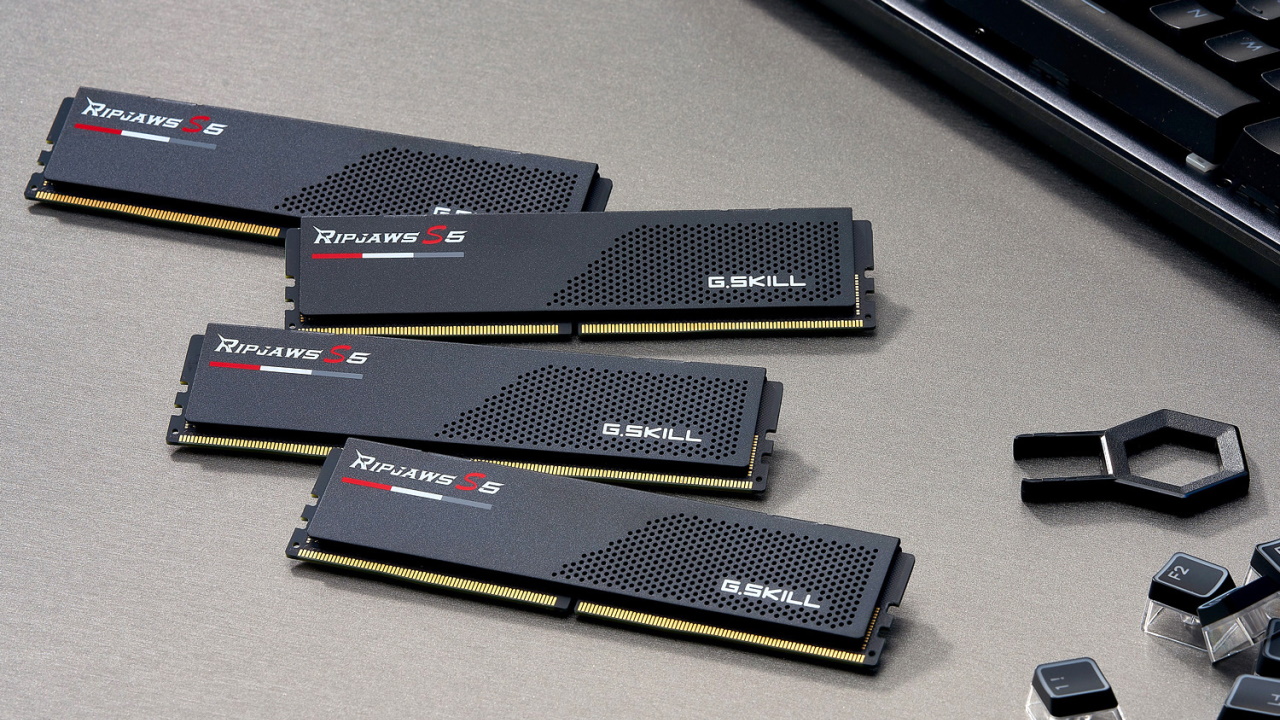
As we navigate through what seems to be an increasingly challenging year for hardware enthusiasts, the situation surrounding RAM and SSD prices continues to deteriorate. The ongoing demand for memory chips, driven largely by tech giants’ efforts to expand their artificial intelligence (AI) capabilities, has created a market environment where consumer-grade RAM and storage solutions are becoming prohibitively expensive.
Leading companies in the tech industry are hoarding memory chips to support the infrastructure needed for AI farms. This high demand is compounded by suppliers who are taking advantage of the situation, raising prices and decreasing availability. The impact on consumers is significant, as RAM costs soar and storage options, particularly Solid State Drives (SSDs), follow suit.
Recent trends illustrate this troubling reality. For instance, prices for the popular 1TB WD Black SN850X SSD have skyrocketed from £85 in November to £162 today, showing nearly a 100% increase in just two months. The Crucial T500, a notable PCIe 4.0 drive, has seen its 2TB version rise from £140 to £240 within a short timeframe, indicating the severe inflation hitting the SSD market.
Even older SATA-based options, which typically offer a more affordable alternative to NVMe drives, have not escaped this price inflation. The Samsung 870 Evo 1TB drive has experienced a dramatic price jump from £83 to £140 in a matter of months, suggesting that consumers can no longer rely on legacy technology to circumvent rising costs.
DRAMless SSDs, which theoretically should be less affected by DRAM shortages since they lack a traditional memory cache, are also witnessing price increases. The 2TB Samsung 990 Evo has risen from £144 in December to £233 now, countering the expectation that such drives would offer a more economical solution.
Looking ahead, there is little indication that prices will stabilize in the near future. Even if the supply of DRAM chips improves, it is likely that the stock will be allocated to large tech companies rather than becoming available to everyday consumers. For those seeking to upgrade their storage, the mechanical hard drive remains the only economically sensible choice; however, these drives are far from optimal for modern gaming experiences.
The current state of storage solutions reflects a challenging landscape for consumers as they contend with rising prices and limited availability. With no immediate relief in sight, the future of gaming PC upgrades appears bleak, emphasizing the need for consumers to carefully consider their options amidst the ongoing RAMnarök.