
### GOG’s New Trajectory Under Michał Kiciński
At the end of 2025, CD Projekt Red (CDPR) made headlines by declaring the sale of its long-established PC gaming platform, GOG, to co-founder Michał Kiciński. This development prompts inquiries regarding the future path of the service, which has advocated for an anti-DRM (Digital Rights Management) stance since its founding in 2008.
#### The Genesis of GOG
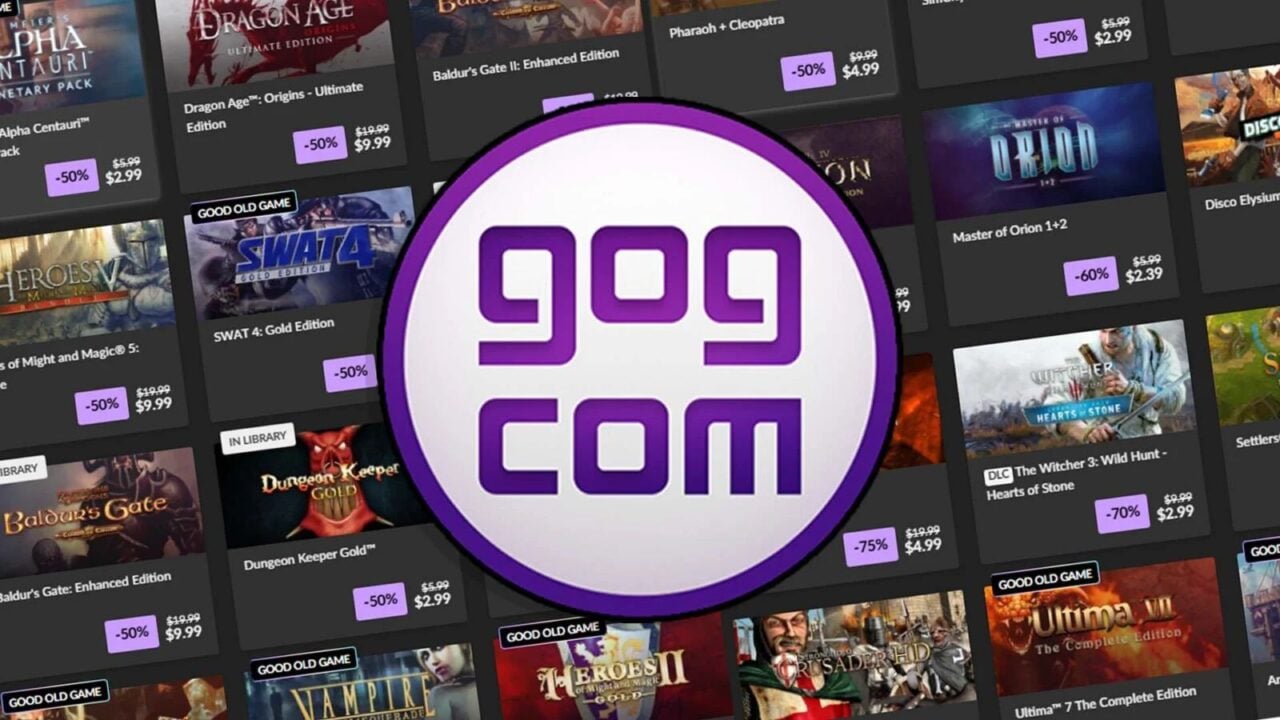
Initially introduced as Good Old Games, GOG was established by CDPR to create a marketplace for beloved titles that had been neglected, often because of stringent DRM measures. The platform gained popularity by providing games devoid of such restrictions, enabling users to enjoy titles without arbitrary barriers. Throughout the years, GOG broadened its selection to incorporate new releases while upholding its dedication to the anti-DRM principle.
#### The Dispute Over DRM
In the late 2000s, DRM gained notoriety for enforcing harsh restrictions on legitimate game purchasers, such as limits on installations and requirements for online activation. Although these tactics aimed to deter piracy, they frequently backfired, diminishing the experience for lawful consumers. GOG’s approach of opposing these trends has struck a chord with users who are unhappy with industry norms.
#### Kiciński’s Aspirations for GOG
Kiciński’s return to GOG signifies a major change. Following a successful bid to regain control, he conveyed enthusiasm about the store’s growth potential. In spite of the rivalry from prominent platforms like Steam, which holds a considerable 80% market share, Kiciński perceives this environment as a chance rather than an obstacle. He is confident that by concentrating on niche markets and forming partnerships with independent developers, GOG can establish a unique standing.
A vital component of his strategy includes highlighting GOG’s relationships with indie developers and classic games. Kiciński cited the successful simultaneous launches of notable titles such as *Clair Obscur* and *Hollow Knight: Silksong* on both GOG and Steam as proof of the platform’s capacity to attract inventive game creators.
#### Dedication to Anti-DRM Principles
Kiciński reiterated that GOG’s anti-DRM position is a “core value” of the organization. He frames this perspective not just as an ethical issue but also as a sensible business strategy. His dissatisfaction with corporate choices that undermine the gaming experience is clear; he referred to many such decisions as “plain stupid.”
Moreover, as part of the acquisition arrangement, CDPR’s titles will continue to be available on GOG for at least six years, ensuring that the platform maintains its connection to some of the most cherished franchises in the gaming sector.
#### Conclusion
As GOG enters this new phase under Michał Kiciński’s guidance, the platform appears set for an evolution that honors its origins while pursuing fresh possibilities within the gaming arena. With a clear emphasis on anti-DRM principles and a commitment to aiding independent developers, GOG seeks to distinguish itself in a saturated market dominated by larger rivals. The future may indeed bring thrilling developments for gamers who value the independence that GOG symbolizes.