### The Impact of Artificial Intelligence on PC Hardware: A Technological Strain
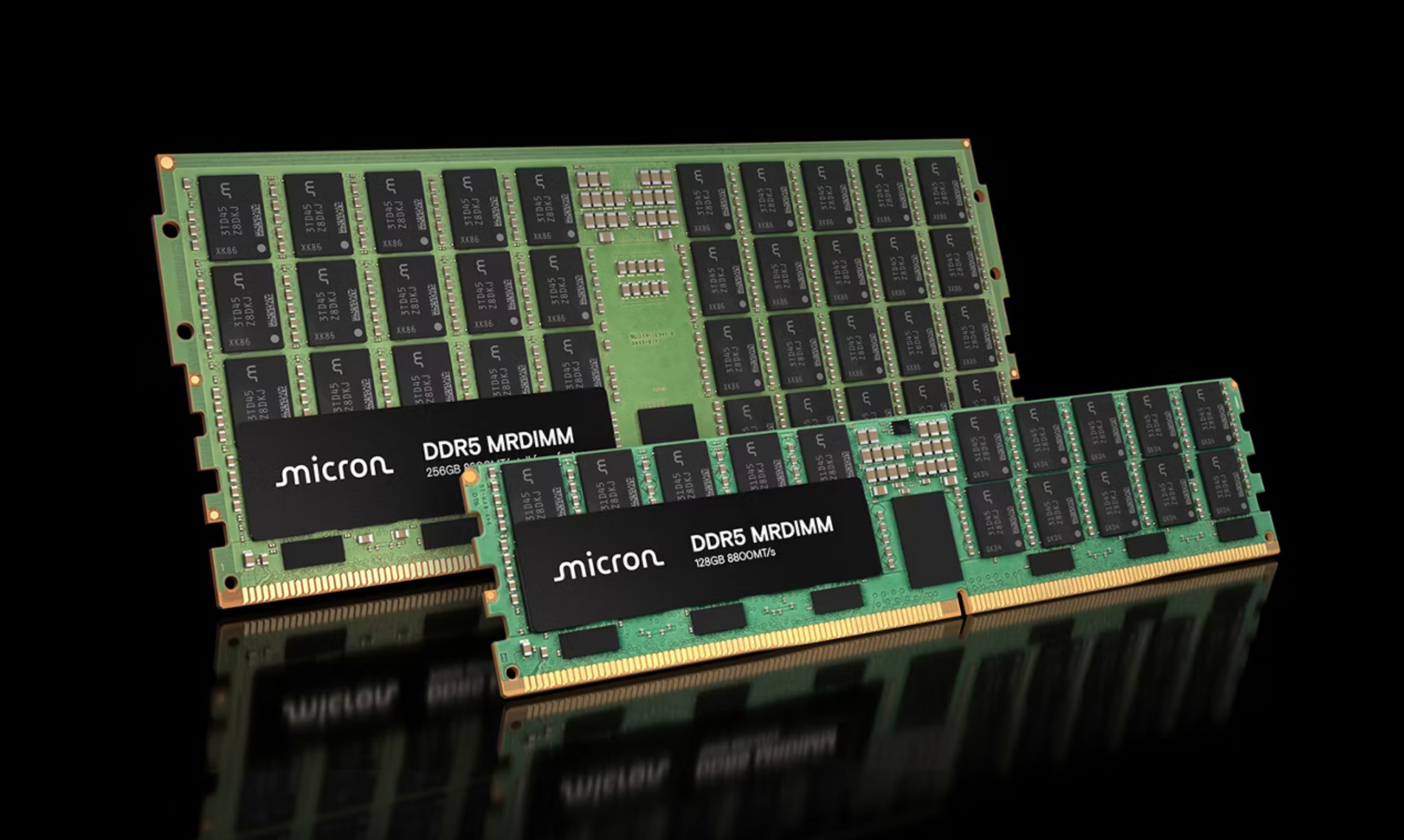
In recent years, the surge in artificial intelligence (AI) development has profoundly affected the landscape of PC hardware, ushering in a period of significant challenges rather than a technological golden age. As major tech companies channel vast resources into building AI data centers to capitalize on future wealth, the resulting demand has led to acute shortages in memory chips. This shortage has driven up consumer prices for essential components such as RAM modules, graphics cards, SSDs, and even older hard drives.
#### Rising Prices in the Gaming Industry
The increase in costs, which have doubled or even tripled for various hardware components, has posed a dilemma for gaming gear manufacturers. You would think that such price hikes would benefit hardware companies, particularly in terms of profit margins, but the reality is more complex. As RAM becomes a scarce commodity, even established hardware manufacturers are facing significant operational challenges. Companies like Razer are struggling to determine pricing for new laptops, and Valve has reported stock shortages for its Steam Deck, leading to delays in releasing new products.
Smaller manufacturers, particularly those producing niche or retro gaming hardware, have experienced their own set of difficulties, but many are adopting strategies that allow them to navigate the current crisis more effectively.
#### Strategies from Niche Manufacturers
Interestingly, some of these smaller players have found success almost by accident. For instance, the **Commodore 64 Ultimate**, a modern homage to the classic 1982 computer, utilizes only 128MB of DDR2 RAM. This choice means that Commodore has not been affected by the surge in demand for DDR4 and DDR5 RAM, which are more prevalent in contemporary computing environments. Chief Technology Officer Marc Bilodeau remarked that their decision to stick with DDR2 has insulated them from the turmoil affecting larger players in the industry.
Similarly, the **Playdate**, a unique handheld device from Panic, incorporates just 16MB of RAM and has experienced only marginal price increases unrelated to the current memory crisis. Panic’s external PR representative noted that the small RAM requirement makes it relatively easy to secure components compared to larger manufacturers.
#### Modular Solutions Offering Flexibility
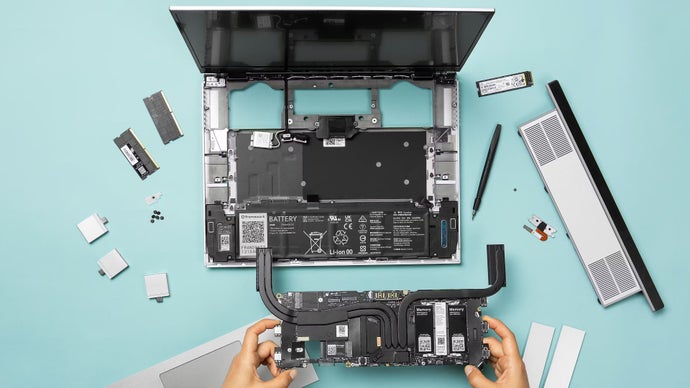
Another strategy employed by manufacturers like **Framework**, which specializes in customizable, repairable laptops, highlights the importance of modular design. Their latest model, the **Framework Laptop 16**, can be configured with high-demand components like the Nvidia RTX 5070 GPU. Framework’s founder, Nirav Patel, pointed out that their small scale allows for more agile sourcing of components, enabling them to navigate the volatile market more effectively.
Framework’s modular approach also offers consumers the option to purchase laptops without pre-installed memory or storage, allowing users to independently source these components at potentially lower prices. This strategy not only keeps production costs manageable but also empowers consumers during a time of heightened prices and limited supply.
#### Painful Adjustments and Industry Transparency
However, not all manufacturers have managed to escape the impact of rising costs. The **Raspberry Pi Foundation** has reported multiple price increases directly linked to memory costs, illustrating that even popular, smaller hardware firms are feeling the pinch. Similarly, Framework has adjusted prices across its product lineup while maintaining a commitment to transparency, frequently updating customers about changes and the underlying reasons.
This kind of openness contrasts sharply with the communication practices of major companies, where decisions like price hikes or product delays are often hidden in investor calls. Many consumers are left without warning about impending changes, resulting in frustration and dissatisfaction.
#### Future Prospects and Market Stability
The broader consensus among industry experts is cautious. Bilodeau believes that AI’s insatiable demand for memory resources will continue to strain the market for the foreseeable future, predicting these issues may persist through 2026 and potentially into 2027. Meanwhile, Patel echoes this sentiment but maintains hope that smart purchasing strategies can mitigate the impact of fluctuating prices.
Consumers are encouraged to seek products that offer upgradability and modularity, which can provide a buffer against supply chain volatility. This approach is especially relevant in an environment where traditional gaming platforms are suffering from price increases and stock shortages.
#### Conclusion
As the world grapples with the consequences of AI’s expansion, the challenges faced by the PC hardware industry underscore the complexities of modern technological progress. Despite the hardships, smaller manufacturers that leverage innovative strategies, maintain transparency, and focus on modular design have found ways to adapt. Ultimately, this situation not only serves as a lesson in market dynamics but also reinforces the value of flexibility and consumer empowerment in a rapidly evolving tech landscape. As enthusiasts and consumers, the journey ahead involves navigating these turbulent waters while keeping an eye on potential shifts in the market.