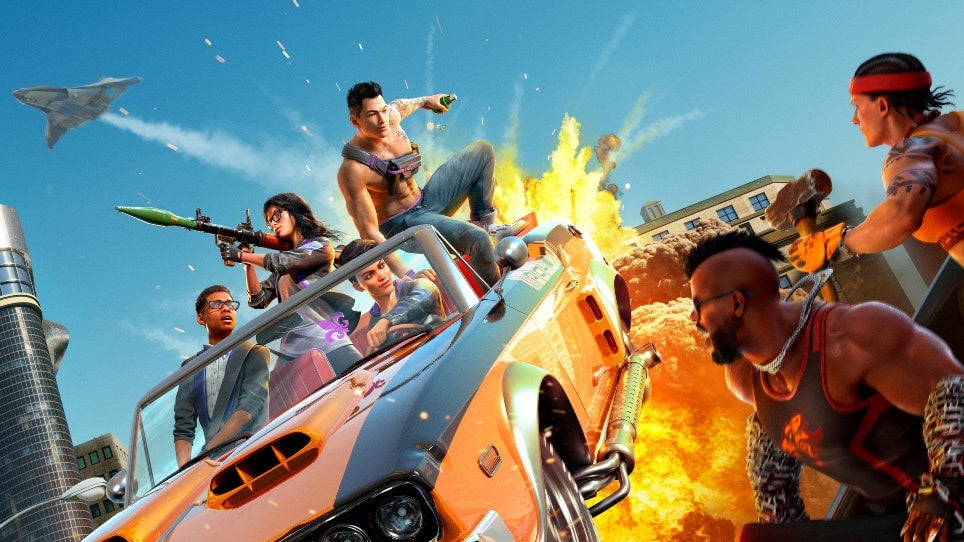
The initial *Saints Row* debuted in 2006 and swiftly turned into an unforeseen success, establishing a niche within the urban sandbox genre. The game set itself apart by expanding the limits of humor and chaos beyond what prestigious franchises like *Grand Theft Auto* had accomplished. Over time, *Saints Row* transformed into a cherished series, recognized for its irreverent approach to open-world gameplay. Nonetheless, its latest installment, the 2022 reboot, fell short of expectations, marred by technical problems and a detachment from the series’ fundamental identity.
In the aftermath, hopes for a resurgence arose, ignited by rumors indicating that the series could take a new creative route. Chris Stockman, the design director of the original title, disclosed that he was contacted by Embracer Group, the parent organization of *Saints Row* developer Volition, to deliberate on a potential correction of course for the franchise. Stockman suggested a prequel set in the 1970s, which he believed could offer new opportunities for the series’ hallmark humor and might provide a chance to reconnect with its audience.
Despite this encouraging direction, Stockman later voiced his doubts about the franchise’s future. He expressed that he felt ‘ghosted’ by Embracer, suggesting that the concept might not materialize. Stockman remarked, “I think the franchise is dead, unfortunately,” a sentiment that resonates with the wider apprehensions regarding Embracer’s management of their acquisitions, especially their restructuring tactics that can hinder creative development.
Embracer Group has a track record of acquiring and subsequently restructuring various game studios, including Gearbox and Crystal Dynamics, with mixed results. The 2022 reboot of *Saints Row* marked Volition’s first endeavor under Embracer’s ownership after its acquisition in 2018. However, the game did not meet sales forecasts, resulting in the closure of Volition in 2023, signifying a significant conclusion for the studio that had been behind the series for two decades.
The sorrow surrounding *Saints Row* resonates within the broader context of other franchises that have been constrained under Embracer’s governance. The company has recently scrapped anticipated revivals for titles like *Perfect Dark* and *Deus Ex*, illustrating a tendency to forsake potential sequels or reboots for immediate restructuring concerns. The uncertainty enveloping the *Saints Row* brand embodies a larger narrative in the gaming landscape, where beloved franchises risk being sidelined amidst corporate strategies that favor financial success over creative pursuits.
As the aftermath of this chapter of *Saints Row* unfolds, there is a lingering hope that the essence of the franchise might eventually return, be it through new talent or innovative concepts, to reignite the joy and absurdity that once enthralled audiences. However, for the time being, it seems that the series has arrived at a pivotal juncture, with its future precariously contingent on the choices of corporate leadership.