**The Second Season of Amazon’s Fallout Adaptation: Review and Insights**
The second season of Amazon’s adaptation of the iconic Fallout video game series has recently concluded, releasing its eight episodes gradually to the audience. This approach has sparked varied viewing habits, with some opting to savor each episode weekly, while others binged the series in one go. As we delve into this new season, it’s important to navigate through the major spoilers that lie ahead.
**Mixed Reactions**
The initial impressions of the season reveal a split in viewer sentiment. Mark expressed disappointment with the series, feeling a sense of mild disinterest throughout. On the contrary, James found some redeeming qualities, particularly in character developments and specific moments that resonated with the spirit of the Fallout universe. For instance, the character Max garnered appreciation for his growth, adapting his idealism while facing the realities of the wasteland.
**Character Highlights**
While many elements felt underwhelming, some performances stood out. James noted that Max’s journey of learning and growth provided a more engaging narrative compared to simpler character arcs. He appreciated the depth added by portraying characters like Overseer Steph Harper, whose backstory offered a unique glimpse into the game’s lore by exploring themes of power, paranoia, and human nature.
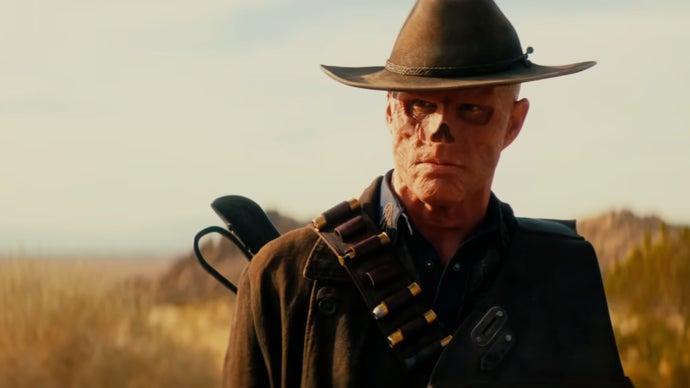
The brief appearance of Ron Perlman as a super mutant also received positive feedback, as fans appreciated his unexpected cameo. The show did manage to portray the pre-war world vividly through Cooper Howard’s storyline, although the conclusion regarding the Enclave felt predictable and uncreative.
**Worldbuilding and Narrative Flaws**
Disappointments primarily stemmed from the show’s portrayal of familiar factions like the Brotherhood, NCR, and Legion. Both Mark and James criticized the reductive representation of these groups, questioning the missed opportunities for deeper storytelling and character motivations that the games had explored extensively. This reduction led to a feeling that the series resembled a theme park rather than a comprehensive narrative set in the Fallout universe.
A particularly contentious point was the treatment of the factions’ fates. The sudden introduction of NCR reinforcements in the season finale felt contrived, undermining the earlier narrative tension and leaving viewers yearning for a more thorough exploration of the consequences of their actions within the world.
**Looking Forward: Season 3 Speculations**
As the dialogue shifts to future seasons, both Mark and James suggest a creative pivot could benefit the show immensely. The idea of setting the next season in a new locale, such as Colorado, opens up possibilities for unique storytelling avenues freed from the constraints of previous games’ lore. This distance may allow for the development of original plots while still embodying the core themes that define the Fallout franchise.
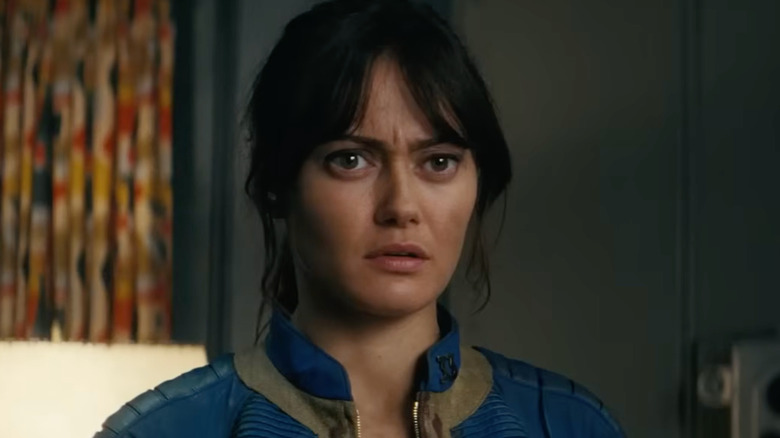
Mark proposes a focus on character growth and thematic depth, envisioning Cooper reconnecting with his family as a pivotal plot point. Additionally, delving into darker themes like cannibalism through Lucy could add layers to character development, aligning more closely with the gritty undertones of the franchise.
**Conclusion**
The second season of Amazon’s Fallout adaptation has sparked significant discussion around its successes and shortcomings. While there were notable moments and character arcs, the overall execution resulted in a mixed reception. As anticipation builds for a potential third season, the challenge remains for creators to strike a balance between fan service and innovative storytelling, ultimately capturing the essence of what makes Fallout beloved among its audience.