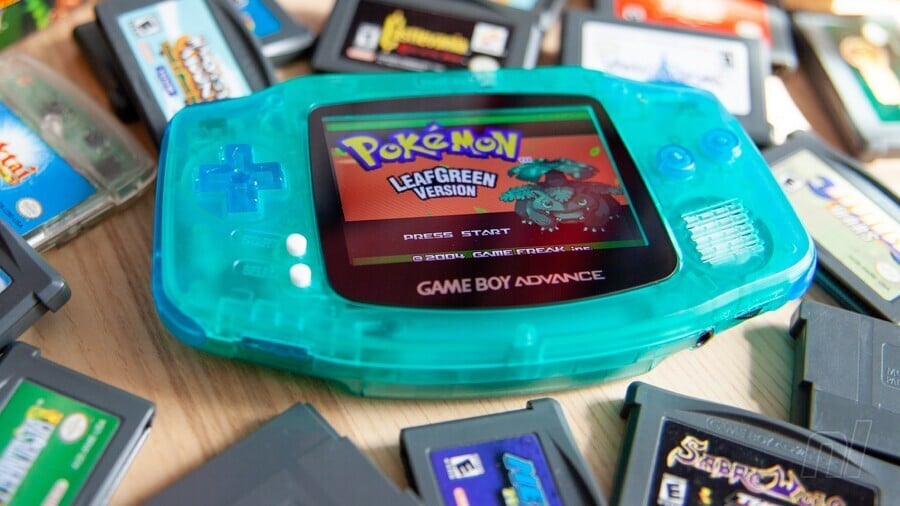
**Pokémon FireRed and LeafGreen: A Comeback to Kanto on Switch**
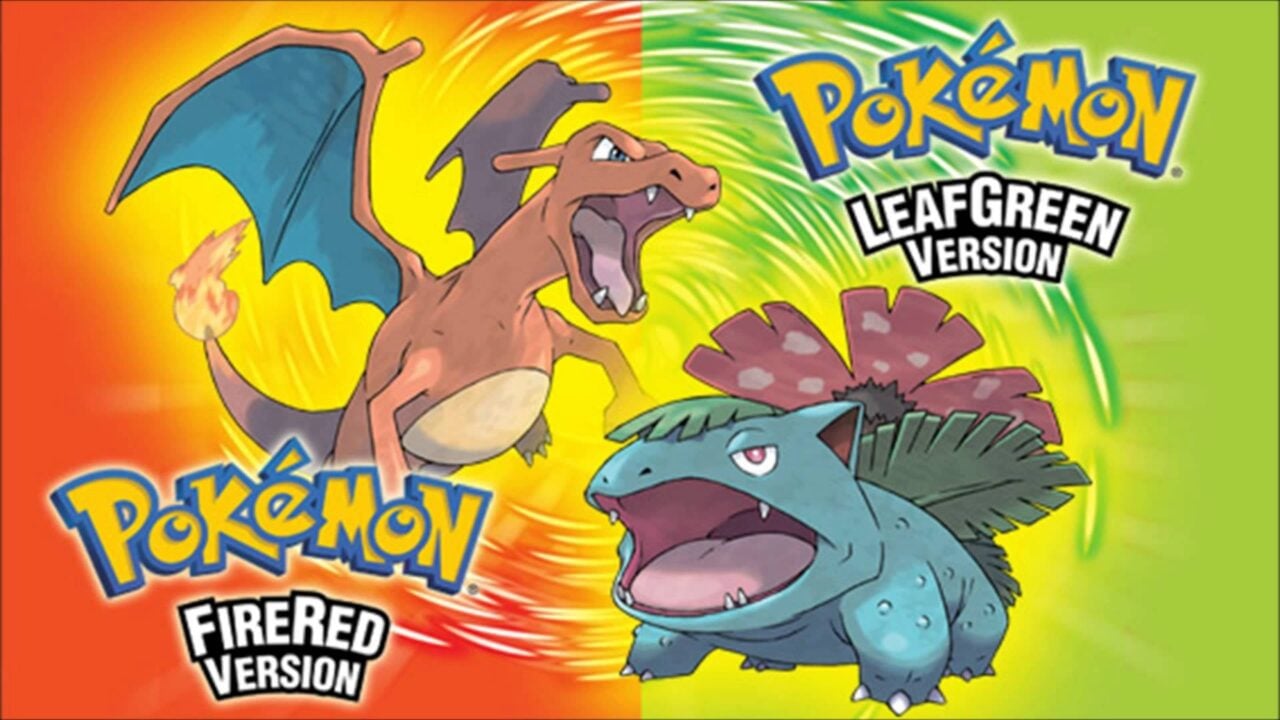
Pokémon FireRed and LeafGreen are scheduled to launch on the Nintendo Switch on February 27, 2026, commemorating the 22nd anniversary of their initial release on the Game Boy Advance. These remastered versions of the cherished Pokémon Red and Green games have long been regarded as the ultimate representations due to their improved gameplay, quality-of-life enhancements, and the inclusion of new regions and storylines.
The announcement of these ports has elicited mixed reactions from fans, particularly concerning their price of $20. While many fans eagerly look forward to revisiting the Kanto region, others have raised objections about the price, claiming it is excessive for a game that’s been around for 22 years and is easily emulatable.
Regardless of the debate, the games have quickly ascended the Nintendo eShop charts, highlighting the franchise’s lasting appeal. Pokémon enthusiasts often have contrasting views on value, influenced by personal economic conditions and varying opinions on game pricing. As mentioned in discussions about video game costs, the worth attributed to a game can differ dramatically from player to player, fostering divisive discussions within the community.
Comments shared on social media showcase this divide. Some individuals maintain that $20 is a fair price for a significant gaming experience, while others contend that given the original’s age and the lack of major changes, it seems too much. This contrast in views emphasizes the broader issue of financial differences among gamers, as not everyone enjoys the same economic flexibility when it comes to game purchases.
Historically, FireRed and LeafGreen were priced at $40 in 2004, but the perception of value has shifted alongside gaming culture. Contemporary talks about video game pricing often appear to be shaped by a blend of nostalgia, expectations for contemporary improvements, and each person’s financial situation. This complexity contributes to a cyclical discussion where those willing to pay the asking price face backlash for endorsing a perceived cash grab, while those resisting the spending might be deemed overly stingy.
In the end, Pokémon FireRed and LeafGreen’s return to a new platform is fostering both enthusiasm and disagreement. The dialogue surrounding their pricing serves as a reflection of larger economic trends within gaming, revealing how nostalgia and financial realities influence consumer actions. As fans get ready to delve back into the Pokémon universe, the ongoing conversation about game pricing highlights a microcosm of the gaming community’s varied perspectives.