
### Stop Killing Games Campaign: Advocating for Online Game Preservation
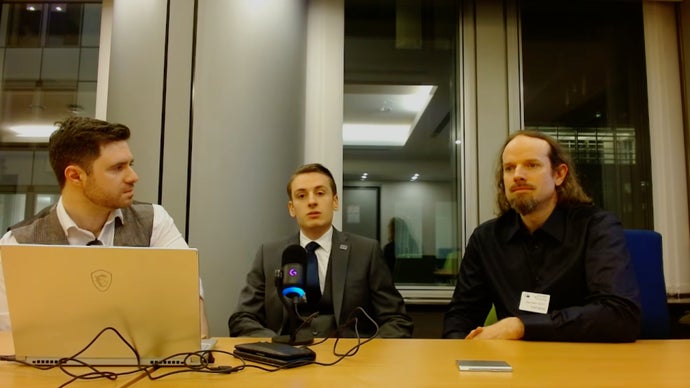
The Stop Killing Games campaign has emerged as a pivotal force in advocating for the preservation of online games, mobilizing lawmakers to take action against publishers who shut down servers, rendering these games unplayable. Recently, the campaign hosted a livestream event from the EU Parliament building, marking a significant moment following their latest discussions with the European Commission. The organization reported that the meeting was productive, drawing attention to the bipartisan support they have garnered from Members of the European Parliament (MEPs).
#### The Campaign’s Goals and Recent Developments
At the center of the Stop Killing Games initiative is the desire to make legislative changes that protect the rights of gamers to maintain access to their purchased content, even when publishers decide to discontinue support for older games. Campaign organizer Moritz Katzner remarked on the support received, indicating that discussions with the Commission have been open, although there remains resistance from some members. The ultimate aim is for their proposals to be debated in a trilogue meeting involving representatives from the European Commission, the EU Council, and the European Parliament.
Katzner highlighted the cross-party backing the campaign has achieved, noting support from both left-leaning and right-leaning MEPs. For instance, Tiemo Wölken from the Socialists and Democrats group supports the initiative, as does Piotr Müller from the European Conservatives and Reformists group. Additionally, the Greens/European Free Alliance group, which includes MEP Markéta Gregorová, has also shown support, illustrating the campaign’s broad appeal across the political spectrum.
#### The Impact of Public Engagement
During the livestream, Markéta Gregorová emphasized the noteworthy influence that grassroots campaigning can have on shaping legislative outcomes. She pointed to previous experiences where public outcry led to notable shifts in parliamentary voting behavior regarding sensitive issues, such as proposed laws for online child safety. This underscores the campaign’s strategy of encouraging public engagement, urging supporters to reach out to their representatives to advocate for game preservation measures.
Gregorová also expressed optimism about working within the framework of the Digital Fairness Act, an upcoming piece of legislation that may provide an avenue to introduce amendments to protect gamers’ rights. The focus will be on ensuring that the data and access to games purchased by consumers are safeguarded from arbitrary removal by publishers.
#### Future Plans and Initiatives
As the Stop Killing Games campaign continues its legislative efforts in Europe, it has also announced plans to establish non-governmental organizations (NGOs) dedicated to promoting gaming preservation issues both in Europe and the United States. These initiatives aim to broaden the campaign’s reach and strengthen its advocacy efforts, signaling a commitment to ensuring that gamers’ rights are recognized and upheld internationally.
The Stop Killing Games campaign represents a critical movement in the gaming community, highlighting the importance of preserving access to digital content and advocating for consumer rights in the face of corporate decisions. With increased visibility and bipartisan support, the campaign is poised to make a significant impact on legislation affecting online gaming and its players.