**Mewgenics: A Controversial Intersection of Gaming and Animal Ethics**
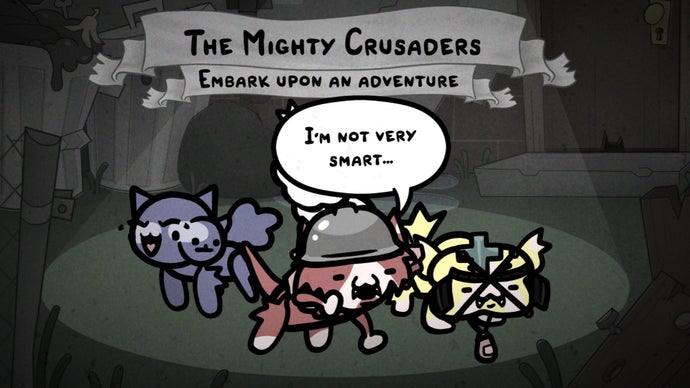
Mewgenics, a game developed by Edmund McMillen, has once again sparked a discussion surrounding the ethics of animal treatment and the gaming industry. The game’s recent intersection with the People for the Ethical Treatment of Animals (PETA) has brought both praise and scrutiny, especially regarding its portrayal of an animal rights advocate character named Tracy Newkirk.
The character Tracy Newkirk serves multiple functions within the game: she sells food and upgrades while also promising to provide homes for spare cats. The name is a clever amalgamation of PETA president Tracy Reiman and founder Ingrid Newkirk, reflecting the organization’s dedication to animal rights. However, the representation of Tracy Newkirk has raised eyebrows, as she is perceived as a satirical take on animal rights activists, complete with vocabulary policing and hyperbolic statements about pet ownership.
PETA’s involvement, which includes a recent video honoring Tracy with a “Hero to Animals Award,” underscores the organization’s unique approach to advocacy. The award acknowledges her fictional role as a “fearless educator” on topics like speciesism and the importance of referring to pets as “animal companions.” This relationship between McMillen and PETA is not new; in the past, McMillen had successfully drawn PETA into promoting a vegan parody of his earlier work, Super Meat Boy, which resulted in the introduction of the character Tofu Boy.
Critics and observers note that PETA does not mind the backlash they receive for engaging in witty, sometimes ironic, critiques of the gaming world. As McMillen pointed out, the exchanges are part of a broader dialogue that brings attention to animal rights, regardless of the initial impression that may arise from their methods.
While some argue that PETA’s tactics and positions are controversial—citing their euthanasia policies, conspiracy theories regarding autism, and a prioritization of appearance over substance—others see value in their mission. For many, PETA serves as a lightning rod that attracts criticism of veganism and animal rights activism, framing them as “extremist” beliefs. This raises questions about whether such organizations inadvertently lend themselves to the very narratives they seek to combat.
As the discourse evolves, it remains to be seen how players and activists will respond to the blending of gaming with animal rights advocacy. Mewgenics, with its irreverent humor and complex character representations, continues to push boundaries in a way that elicits both engagement and contention.
For those curious about the game, reviews have highlighted its unique mechanics and humor, though opinions vary widely regarding its themes and moral implications. Whether seen as an insightful satire or an irresponsible caricature, Mewgenics is undeniably at the center of a larger conversation about the ethics of animal treatment and the role of advocacy in entertainment.