**Marathon: Navigating a Cyberpunk Future in Multiplayer Storytelling**
Marathon transports players to a cyberpunk future saturated with data and digital information. In this world, players take on the role of runners—humans who have transcended physical form to exist as entities of bits and bytes, capable of transferring their consciousness into various artificial shells. The game paints a vivid picture of an environment where the density of information overloads the senses, making it challenging to comprehend what it means to exist in this digital realm.
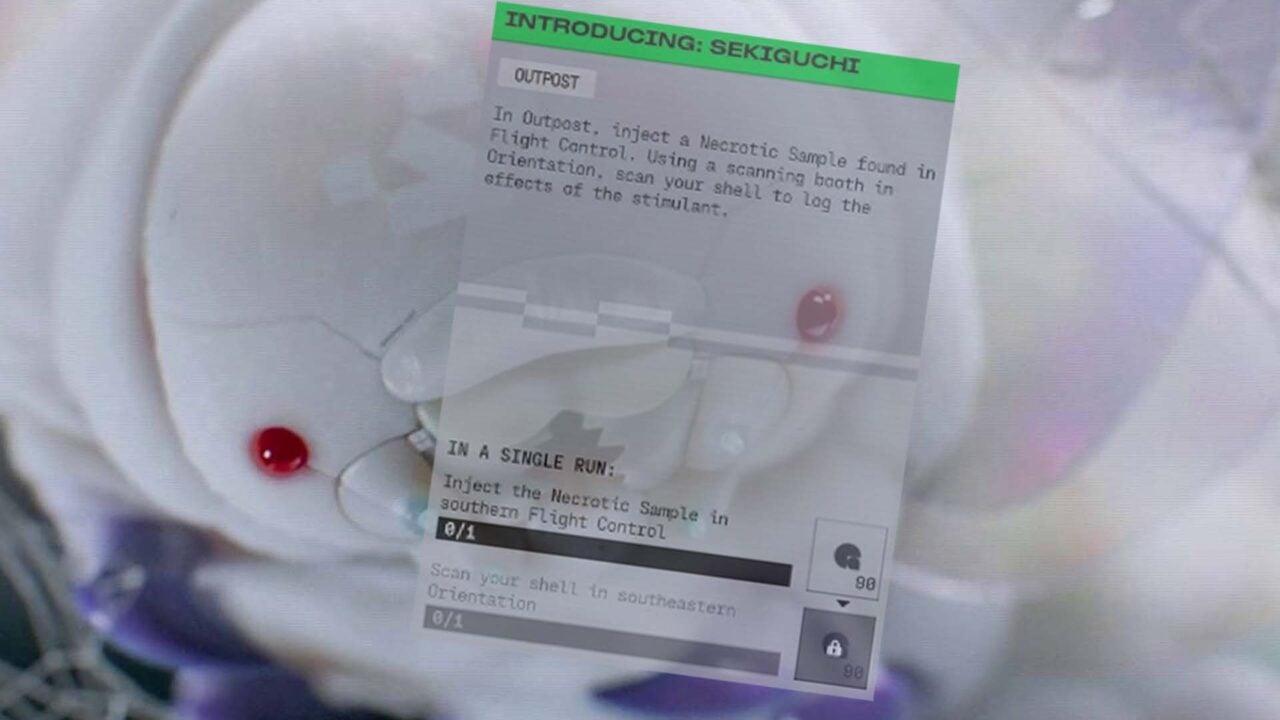
The game experience can be likened to attempting to process a deluge of stimuli: a chaotic scene heightened when attempting to engage with Marathon’s tutorial pop-ups and storyline cinematics while also interacting with friends on a Discord server. The challenge arises from the dual demands of following the game’s intricate narrative and engaging in a conversation, leading to a disjointed experience that can feel isolating despite its multiplayer intent.
While the multiplayer aspect of Marathon promises a collaborative experience, its execution often leans toward a solitary mode of play. The information presented on-screen is extensive, and players struggle to absorb it amidst external distractions, such as friends discussing unrelated topics. This scenario leads to questions about the game’s design: why does it seem as if players are watching different movies while seated next to one another on the same sofa?
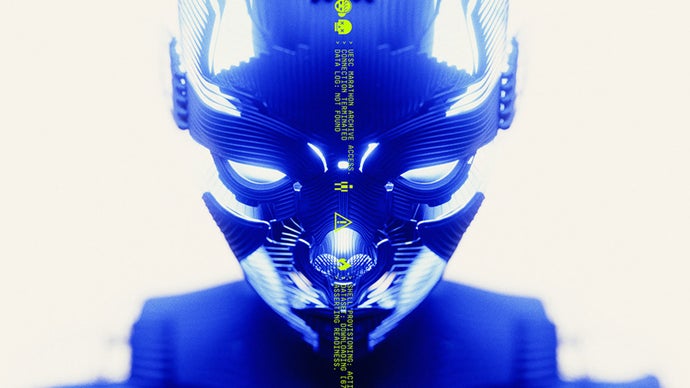
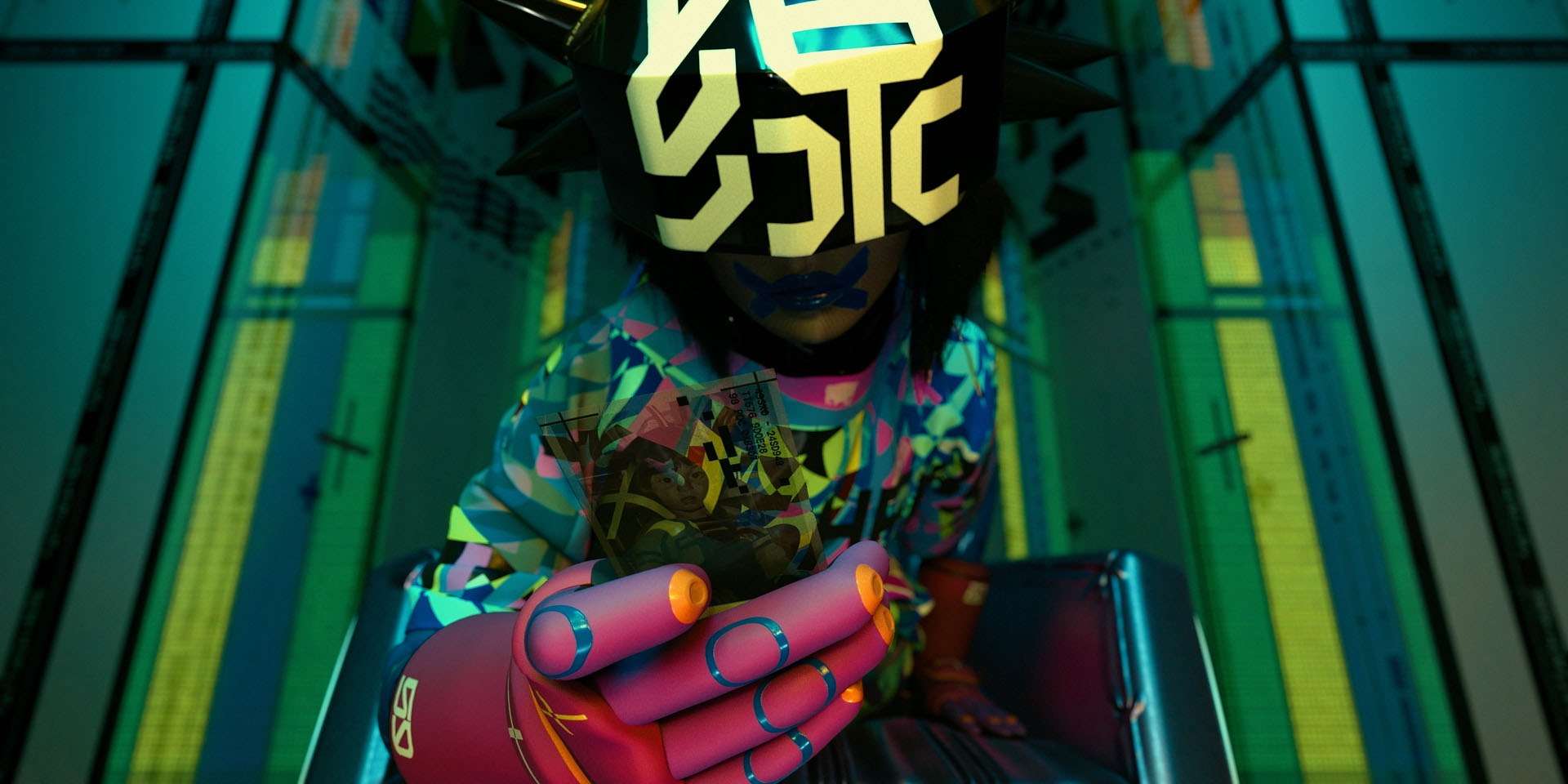
The aesthetic of Marathon, characterized by Ghost In The Shell influences and rich, retro visuals, draws players into a story that feels captivating and worth engaging with. Yet, the overwhelming nature of its presentation can be counterproductive. Despite the game’s artistry, the distraction of simultaneous conversations can diminish the impact of critical narrative sequences.
Fortunately, Marathon does include features that help players catch up on missed story elements, such as codex entries that summarize faction overviews after completing introductory missions. While this provides a valuable tool for understanding the game’s lore, it feels like a secondary aid—one that cannot replicate the essence of experiencing the narrative in real-time. The desire remains for a more integrated storytelling approach within multiplayer contexts, accommodating the likelihood of player distractions.
Current trends in multiplayer storytelling indicate a need for developers to innovate how narratives are conveyed. Instead of relying solely on cinematic sequences or massive chunks of text, which can easily be overlooked in a multiplayer scenario, more dynamic and interactive storytelling tools must be explored. Players should not be expected to absorb story elements while distracted by concurrent gameplay activities and side conversations.
Reflecting on successful narrative moments in other games, such as Valve’s Half-Life 2, demonstrates the potential for more effective storytelling in a multiplayer format. The game features carefully crafted sequences that keep players engaged and focused on the narrative, providing both an informative dialogue and the freedom to interact with the environment.
In Marathon, the current reliance on cinematic storytelling may not align with the fast-paced nature of multiplayer gaming. It’s essential for developers like Bungie to reassess their approach, considering that players thrive on the excitement of immediate interactions. The cinematic vehicle may need rethinking, or an alternative strategy may be warranted to seamlessly weave narrative depth into the fabric of multiplayer gameplay.
Ultimately, Marathon showcases the complexities of storytelling in a shared digital space and highlights the ongoing challenge for game developers to create immersive narratives that resonate amidst the backdrop of social disruptions, ensuring that the multiplayer experience remains enriching and engaging for all players involved.