
**Title: Exploring Hazard Pay: A Unique Twist on the Puzzle Game Genre**
Video games offer an array of experiences, and the puzzle genre has long captivated players with its blend of strategy and creativity. At first glance, the concept of moving blocks or cleaning up virtual messes may seem trivial. However, this simplicity can often mask a deeper enjoyment, as evidenced by the enduring popularity of puzzle games since classics like Sokoban emerged in 1982. Today, we examine a fresh entry into this beloved genre: Hazard Pay.
### The Concept of Hazard Pay
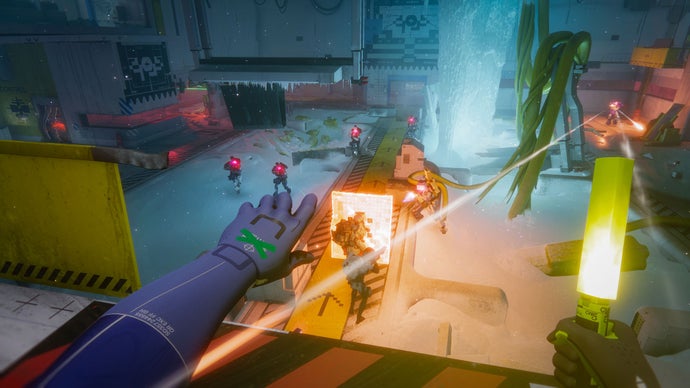
Hazard Pay presents players with a dystopian setting where they are tasked with cleaning up hazardous materials in secret laboratories. This unique premise couples gameplay mechanics with a narrative that invites players to navigate a world fraught with challenges. Instead of simply transporting blocks from point A to point B, players must deal with a variety of messy substances, including blood and hazardous waste, which must be maneuvered with care.
### Gameplay Mechanics
In Hazard Pay, the player’s main objective is to neutralize and dispose of hazardous materials. This involves guiding spills and wastes toward a designated vat of acid for proper disposal. However, players must exercise caution. Moving hazardous materials can inadvertently spread more mess, leading to additional challenges. To assist in their cleanup efforts, players are equipped with a mop and bucket, which can interact with waste and help keep levels manageable.
A unique feature of the game is its interaction restrictions: players cannot touch the vat directly unless they have a lid, which may not always be available in every level. This introduces an additional layer of strategy as players must think critically about their actions and the tools at their disposal.
### Increased Challenges
As players progress, the complexity of levels increases, introducing obstacles such as poorly placed furniture or intentionally awkward layouts that require thoughtful navigation. The game creatively incorporates various items, such as shirts and underwear, which can be fused to mop up blood, adding an unexpected twist to gameplay dynamics.
Moreover, players are required to load any collected waste onto their truck at the end of each level, adding a logistical element to their cleaning tasks. It’s not merely about cleaning up; it’s also about managing resources effectively.
### Accessibility and Experience
One of the appealing aspects of Hazard Pay is its minimalist approach to tutorials. Instead of overwhelming players with instructions, the game offers a more hands-on experience, allowing players to learn through experimentation. However, there are moments where a little guidance would be beneficial, such as a reminder about the reset function, which could enhance the overall gameplay experience.
For those intrigued by this unique puzzle-solving adventure, a demo of Hazard Pay is available on Steam, allowing potential players to delve into its quirky mechanics firsthand.
You can check out the demo [here](https://store.steampowered.com/app/2692620/Hazard_Pay/) and explore the challenging world of Hazard Pay.
### Conclusion
Hazard Pay exemplifies how puzzle games can offer complex enjoyment through seemingly simple actions. By navigating the challenges of a dystopian cleanup effort, players engage in critical thinking and strategy. Whether you’re a seasoned puzzle enthusiast or a newcomer looking for a fresh experience, Hazard Pay is well worth exploring for its innovative take on the genre.