**Star Wars: The Old Republic: A Path from Aspiration to Disappointment**
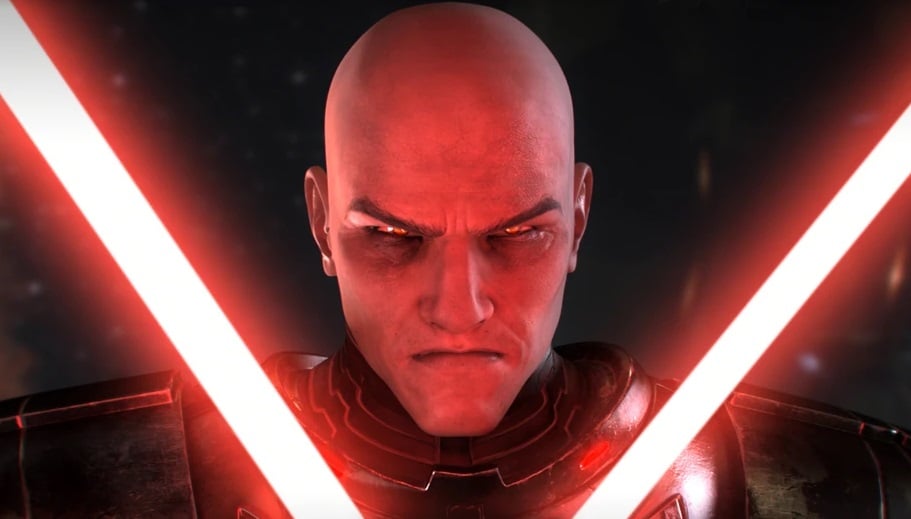
*Star Wars: The Old Republic* (SWTOR) debuted in 2011, introducing the cherished *Star Wars* brand into the world of Massively Multiplayer Online Games (MMOs). Crafted by BioWare, a company celebrated for its story-centric role-playing games, SWTOR aimed to provide a vast online experience reminiscent of *Knights of the Old Republic* (KOTOR). Nonetheless, the end result appeared more like an altered iteration of *World of Warcraft* rather than the groundbreaking MMORPG that players had hoped for.
James Ohlen, a pivotal contributor to SWTOR’s creation, conveyed a wish to rejuvenate the game and its universe. Prior to his exit from BioWare in 2018, he voiced displeasure regarding the absence of clear direction and support, indicating he felt like a “highly paid, completely useless person.” His efforts to propose a reboot of SWTOR were hindered when Electronic Arts’ (EA) board opted not to pursue further investment, even while recognizing the game had accrued over $1 billion in revenue throughout its existence.
Ohlen’s concept for the reboot was much more ambitious. He aimed to steer the *Star Wars* story into a fresh direction, even consulting with then-LucasFilm president Kathleen Kennedy and director Dave Filoni. Filoni recommended examining occurrences set centuries prior to the collapse of the Republic, potentially establishing a narrative continuity that would resonate with both loyal fans and newcomers.
The principal obstacle to realizing this vision was EA’s then-Worldwide Studios VP, Patrick Söderlund, who expressed doubts about SWTOR owing to its historically elevated development expenses. Ohlen managed to persuade Söderlund to consider the reboot—a personal triumph for him—before ultimately encountering pushback from EA’s board, who were cautious about the financial implications.
The board’s recollections of SWTOR’s rocky launch, characterized by an astonishing development expenditure exceeding $300 million, contributed to their hesitance in endorsing extra funding. This choice eventually resulted in handing SWTOR over to Broadsword Online Games, permitting BioWare’s remaining assets to redirect attention towards other franchises such as *Dragon Age* and *Mass Effect*.
Regardless of the bleak prospects for SWTOR, optimism persisted among fans of the *Knights of the Old Republic* series. Former BioWare member Casey Hudson is currently at the helm of a new RPG initiative inspired by the *Old Republic*, aiming for a release before 2030. This progression suggests that while one ambitious vision may have stalled, the heritage of *Star Wars* RPGs continues to advance.
The saga of SWTOR serves as a reminder of the unpredictable dynamics of game development, where aspirations for expansive, innovative endeavors can occasionally falter due to corporate choices. As fans look forward to the future of *Star Wars* in gaming, the tale of SWTOR remains a significant episode in the franchise’s history.