**Bungie’s Marathon Reboot: A Mixed Launch and Embargo Guidelines**
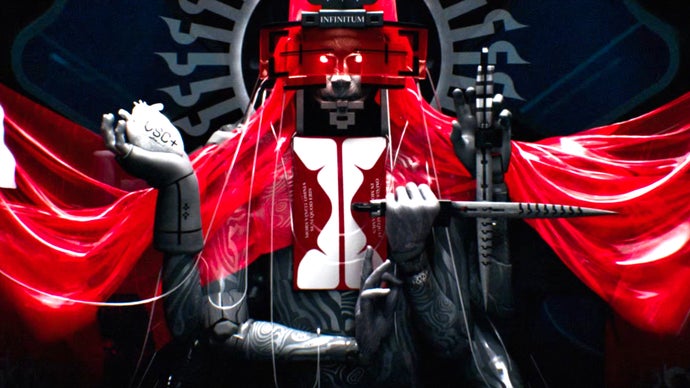
Bungie’s reboot of the iconic title *Marathon* has recently hit the market, yet the developer’s approach to its coverage embargo has sparked discussions among critics and gamers alike. The guidelines outlined a request for reviewers to withhold their comprehensive impressions until the launch of the game’s “pinnacle endgame zone and experience,” known as Cryo Archive, which is anticipated to debut later in March.
While Bungie’s request is framed as a suggestion rather than a requirement, it raises eyebrows within the gaming community. Unlike early access titles that are marketed as unfinished, *Marathon* is a completed product available for purchase, presenting a sense of incongruity with the embargo’s stipulations. Critics are encouraged to share gameplay content and initial impressions but are advised to save their full reviews until experiencing the Cryo Archive.
The embargo excerpt shared by critics reveals no strict limits on coverage, allowing for impressions and livestreams, yet emphasizes the importance of the endgame experience in forming conclusive critiques. As anticipation builds around the Cryo Archive and an impending ranked PvP mode, there is uncertainty regarding the final release date for this content.
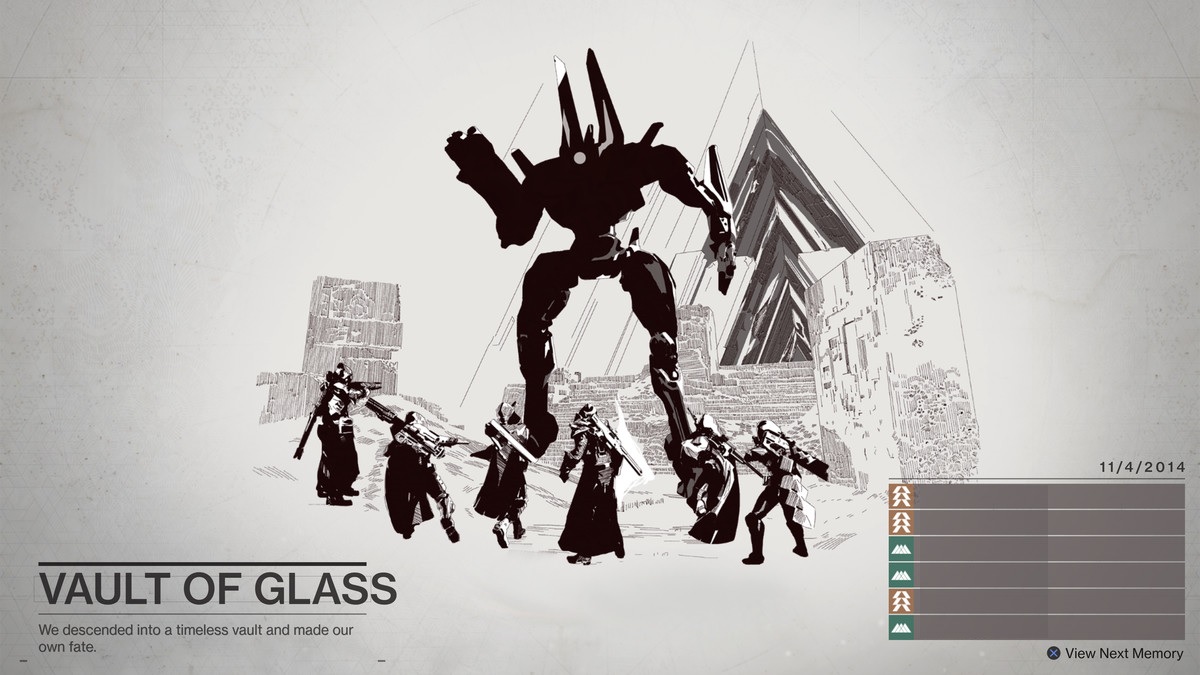
The situation prompts comparisons to Bungie’s launch of *Destiny*, which marked the beginning of the live-service looter-shooter genre in 2014. Initial reception to *Destiny* was mixed; reviewers, once a support pillar for Bungie’s success, awarded it an 8/10, citing both its stunning gameplay mechanics and shortcomings in campaign depth. In an effort to mitigate the initial wave of criticism, Bungie pointed to the upcoming Vault of Glass raid, emphasizing that later content would significantly enhance the gaming experience.
However, this strategy of releasing pivotal content post-launch was contentious then, as it is now with *Marathon*. The nuanced language of the embargo may lead time-constrained reviewers to temper their evaluations, ultimately affecting the communal perception of the game. With players currently able to purchase *Marathon*, there is an inherent expectation to provide unbiased reviews based on the available content.
Further details surrounding *Marathon’s* microtransactions, which have only been revealed recently, contributed to the rising skepticism from critics. The timing of this information underscores the complexities of marketing strategies and the tension they create between developers and reviewers.
In conclusion, while *Marathon* has garnered some positive early impressions, the relationship between Bungie, its players, and critics remains fraught with apprehension. The embargo guidelines may serve the developers’ interests, but they also pose challenges in transparency and trust as the community assesses the value of the game’s experience against its marketing narrative.