### Whiskerwood: A Unique Take on Colony Simulation
Whiskerwood is an innovative city-building game that combines elements of strategy, resource management, and colonial dynamics, all set in a whimsical world where mice (the “Whiskers”) build a colony for the absent “Claws”—cat overlords who demand regular resources from their subjects. This contrast to historical colonization models provides a framework to explore themes of economics and societal structure without the usual political heavyweights involved.
#### Gameplay Mechanics and Building Systems
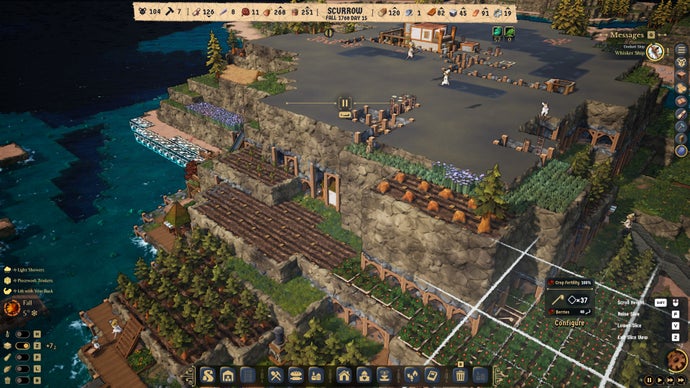
At its core, Whiskerwood is reminiscent of games like Timberborn and Dwarf Fortress, utilizing cube-based construction with a significant emphasis on vertical building. Players cultivate fertile lands for crops, build structures on stilts over water, and delve into underground resources. Unlike typical survival games, the stress of basic survival is largely absent; winters pose minimal threats, focusing instead on the economic ramifications of resource management and taxation.
Growth is inherently extractive, as the Claws require raw resources rather than manufactured goods, which creates a distinctive tension within the gameplay. Players must balance their own needs against the demands of the Claws, navigating this relationship as they expand their colony.
#### Economic Model and Colonial Dynamics
The taxation model in Whiskerwood echoes real-world colonial structures, with the Claws acting as distant overlords demanding tribute. This model challenges players to maintain a stable economic relationship despite the inherent inequalities. Players can negotiate giving extra resources to improve their standing with the Claws, thus introducing strategy into the resource management gameplay. The game allows for flexibility in how players choose to meet their tax obligations—whether to pay exactly what is demanded or to send additional resources for goodwill.
The economy in Whiskerwood is not just a points system. Instead, it is intricately tied to the players’ expansion efforts and population growth, as each element affects taxes based on industry and population size.
#### Population Management and Gameplay Depth
Population dynamics in Whiskerwood are further complicated by the guild system, where each Whisker has specific traits that influence their productivity and happiness. This adds a micro-management aspect that distinguishes it from similar games. Interaction with the population is deeply integrated, as their happiness affects city growth and resource potential.
The interface is intuitive, promoting easy navigation through the colony management system. Furthermore, the game includes charming features, such as a gong that signals the end of each day, allowing players to establish their routines—imbuing a sense of structure and rhythm to gameplay.
#### Visual Appeal and Future Potential
Whiskerwood captivates players with its vibrant visuals and charming animations, as cargo is seamlessly moved across the map. With a year still remaining in early access, the game holds potential for expansive updates that could further enrich its already engaging mechanics. Players are likely to experiment with automation and grand-scale projects, continuously discovering new ways to optimize their colonies.
Overall, Whiskerwood succeeds in offering a unique perspective on colonization and city management through its thoughtful design and engaging mechanics. By avoiding traditional conflicts and focusing on economic interactions, it provides a fresh and captivating experience for players. As the community continues to grow and share discoveries, Whiskerwood stands out as a forward-thinking addition to the city-building genre.