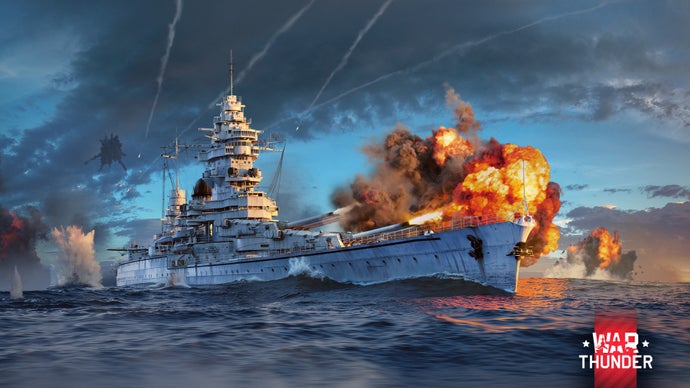
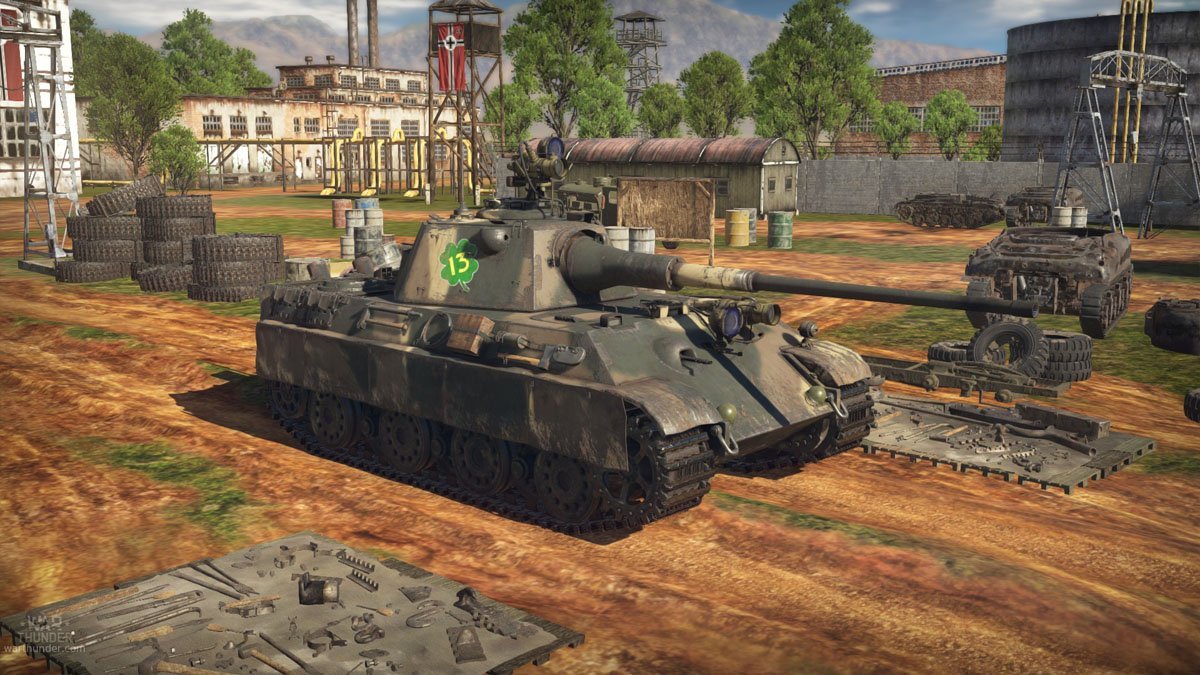
The convergence of war and digital simulation has taken on a new dimension with the recent revelation that a widely circulated video purportedly showing a US battleship downing an Iranian fighter jet is likely a clip from the video game *War Thunder*. This clip, which has garnered millions of views on social media, was even shared by Texas Governor Greg Abbott, who captioned it “Bye bye,” although he later deleted the post.
Following the clip’s virality, Agence France-Presse (AFP) launched an investigation that ultimately debunked the claim, as detailed in reports from *PCGamer*. The AFP traced the origin of the clip to a Reddit thread and received confirmation from Konstantin Govorun, the head of public relations at *War Thunder*’s publisher, Gaijin Entertainment, affirming that it appears to be game footage. The battleship depicted resembles the USS Tennessee, which was decommissioned in 1947, while the so-called Iranian fighter’s design closely resembles the Nazi German Messerschmitt Me 163B-1a Komet. Notably, there have been no confirmed incidents of an Iranian plane being shot down by a US warship. The Pentagon has denied Iranian claims of striking the USS Abraham Lincoln with ballistic missiles.
The conflation of military simulations with actual combat footage is becoming more common, whether due to misinformation or the naivety of social media users. The game *ARMA 3* has been particularly notable in this context; its developers have released a guide to help distinguish between genuine conflict videos and simulated military footage, especially after a spike in misinformation regarding the Israeli-Palestinian conflict. *War Thunder*, while primarily a source of flight simulation and tank battles, has also been implicated in controversies surrounding leaked sensitive military documents.
The proliferation of generative AI and deepfakes exacerbates the situation, complicating the landscape of online information. As the internet becomes saturated with simulated realities, the challenge in discerning fact from fabrication intensifies. Social media platform X has suspended revenue sharing for undisclosed generative AI war videos, highlighting an ongoing struggle to maintain content moderation in an era marked by sensationalism and misinformation.
Governments also leverage these photorealistic war games for propaganda. A notable instance occurred in 2013 when North Korea used footage from *Call of Duty: Modern Warfare 3* in a propaganda film. The ongoing hostilities involving the US and Israel in the Middle East have seen similar tactics, with manipulative video content combining real battle footage and video game elements, designed to present warfare as an entertainment spectacle. This trend raises ethical concerns, especially considering the tragic human toll of such conflicts, including reported civilian casualties.
As the barriers between entertainment and reality blur further, it is imperative for viewers to critically evaluate the content they consume, particularly in contexts as serious as war. The merging of video games and military narrative not only misrepresents reality but also desensitizes audiences to the devastating consequences of conflict.