**The Art of Asset Reuse in Video Game Development: A Closer Look at RGG Studio and the Industry**
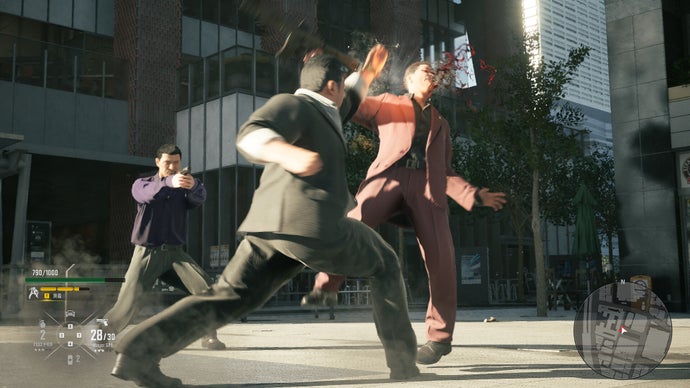
No matter how many times players navigate the richly detailed streets and alleys of Kamurocho in the Like A Dragon series, the immersive environment never grows stale. This enduring appeal highlights a trend within the gaming industry where studios like RGG Studio utilize asset reuse—a practice that has garnered both praise and criticism over the years. With the rise of modern gaming engines, the conversation around asset reuse has gained traction, urging developers to rethink their creative processes and resource management.
Leading the charge in this discussion is Alex Hutchinson, director of games like Far Cry 4 and Assassin’s Creed 3. In recent interviews, Hutchinson emphasized the importance of reusing assets to save time and resources. He highlighted the common industry practice of re-recording weapon sounds for each new shooter, despite the reality that many firearms share similar auditory characteristics. “We do a lot of dopey things in the games industry. We redo too much stuff,” Hutchinson stated, advocating for developers to adopt more practical approaches as they face increasingly tight production schedules.
One effective strategy for addressing this issue is leveraging existing assets strategically, as seen in numerous high-profile titles. For instance, the successful Assassin’s Creed Black Flag took advantage of animations from its predecessor, showcasing the efficiency in reusing tried-and-true designs. This method not only reduces development time but also enhances the overall gameplay experience, given that certain mechanics and visual styles resonate well with players.
However, the practice of asset reuse does come with its drawbacks. Developers can face backlash for appearing lazy or unoriginal. This was notably the case with Far Cry Primal, which repurposed the map from Far Cry 4 for a prehistoric setting. Hutchinson recounted urging Ubisoft to embrace this reuse openly, suggesting that transparency would mitigate the negative reception. “Just say it’s the same place 40,000 years ago. And then it’s cool,” he suggested, indicating that fostering player acceptance of reused elements could lead to a more favorable reaction.
The tension between reuse and originality often leads to a divide among players and critics. Many gamers, including those who have played RGG Studio’s titles, appreciate the studio’s willingness to revisit familiar locales and mechanics, even in instances where some elements feel less fitting, as demonstrated in the recent Yakuza Kiwami 3. Hutchinson points out that cultivating confidence in presenting reused elements as assets rather than liabilities has benefited developers like FromSoftware and RGG Studio, drawing less criticism than other studios face.
In light of industry challenges, including layoffs and the pressure to shorten development cycles, Hutchinson argues that leaning on established content is preferable to relying on artificial intelligence (AI) generation. Though AI tools may promise speed, the complexity of developing appropriate prompts often negates potential time savings, further complicating the creative process.
In conclusion, the practice of asset reuse in video game development has evolved into a critical strategy for modern studios navigating tightening budgets and pressures. As developers like RGG Studio and FromSoftware demonstrate, framing this practice positively can not only enhance player experiences but also streamline production efforts, setting a precedent for the future of the gaming industry amidst rising challenges.