## Exploring the Anticipation Surrounding Panline: A Spiritual Sequel to Mirror’s Edge
If you have been yearning for a new chapter in the world of first-person parkour games reminiscent of DICE’s classic, **Mirror’s Edge**, you’re in luck. Introducing **Panline**, developed by Viridian Matters, which borrows elements that will undoubtedly stir nostalgia among fans while aiming to carve out its unique identity.
### A New Canvas for Freerunners
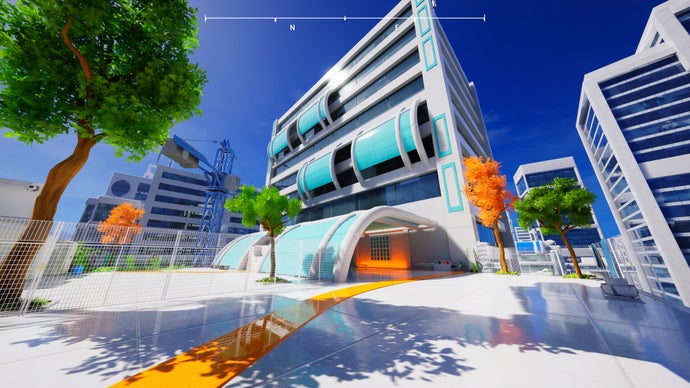
At its core, Panline transports players into a vibrant, open-world cityscape governed by a complex system known as the **Civic Flow Engine**. This innovative design framework proposes a utopian environment where essential goods are produced at zero cost, enabling an intriguing backdrop that blends urban beauty with the mysteries of an underlying economy. However, beneath the surface lies the potential for darker tales, hinting at challenges awaiting the players in the depths of this visually striking world.
### Gameplay Mechanics and Navigational Challenges
Players step into the shoes of a freerunner, navigating through the city as part of a network of couriers, fixers, and data brokers engaged in a new “attention economy.” The gameplay offers a familiar feel to fans of Mirror’s Edge while introducing new mechanics. As you embark on various gigs, your success hinges on both your navigational skills and your ability to traverse the dynamic environments without causing destruction.
The challenge arises from the deliberate lack of a direct map or navigational aids, encouraging players to memorize sightlines and landmarks. Instead of relying on highlighted paths, you are tasked with developing your keen sense of direction, ensuring that each journey feels like an adventure of exploration and skill.
### An Expansive World and Upgrade Mechanics
Panline features an expansive open world with a day/night cycle, enhancing immersion and gameplay variety. Players are afforded a **Runner’s Hideout**, a safe space for rest and gear management. The introduction of upgrades marks a notable shift from its predecessor, allowing players to expand inventory, enhance storage capabilities, and unlock new areas through skillful parkour.
As you advance in the game, missions will vary in complexity from simple deliveries to multi-stop routes, adding depth and strategy to gameplay. Time management and resourcefulness become essential, with new routes and delivery conditions shaping your overall experience.
### The Panlet Device: A Unique Tool for Urban Exploration
An intriguing element of Panline is the **Panlet**, a handheld communications device that showcases a design reminiscent of the PlayStation Portable (PSP). This device allows players to hack into the urban infrastructure, presumably creating new paths or manipulating the environment to facilitate freerunning. However, caution is advised, as mishandling this tool could lead to its damage, posing additional challenges during missions.
### Visual Style and Artistic Choices
One striking aspect of Panline is its deliberate color palette, notably the absence of red. In Mirror’s Edge, red was essential for guiding players along pathways, whereas Panline opts for a more subdued aesthetic. This artistic choice could signify a shift in thematic direction or a conscious effort to differentiate itself from its predecessor, possibly avoiding legal ramifications pertaining to intellectual property.
### Conclusion
Panline promises to resonate with fans of Mirror’s Edge while adding its spin on narrative and gameplay mechanics. Combining urban exploration with strategic delivery missions, it’s poised to create a rich gaming experience that incorporates parkour in an entirely new context. Keep an eye out, as Panline is set to launch sometime this year, inviting players to immerse themselves in this vibrant, dynamic world of modern freerunning.