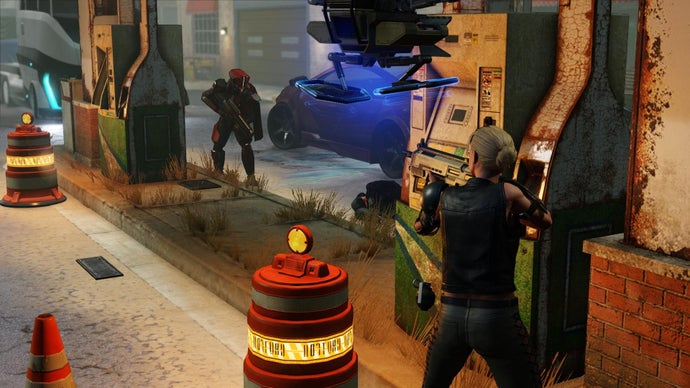
Ubisoft has made the significant decision to lay off all game developers at Red Storm Entertainment, effectively restructuring the long-time Tom Clancy studio into a tech support hub. This downsizing has resulted in 105 employees losing their jobs, a move that comes after the cancellation of Red Storm’s anticipated title, The Division Heartland, which was slated for release in 2024.
Reports from sources such as Video Games Chronicle (VGC) and IGN indicate that Ubisoft communicated the news internally on March 19th. Instead of shuttering Red Storm completely, the company has opted to transition the North Carolina-based studio away from game development, leaving it to facilitate global IT support and provide assistance with the Snowdrop engine.
Red Storm was founded in 1996 by Tom Clancy himself and is known for developing a number of influential games based on the author’s works, notably 1998’s Rainbow Six and 2001’s Ghost Recon. Following Ubisoft’s acquisition of the studio in 2000, these titles evolved into recognizable franchises. After the release of Tom Clancy’s Ghost Recon: Future Soldier in 2012, the studio shifted focus to virtual reality, producing titles like Star Trek: Bridge Crew and Assassin’s Creed Nexus VR.
The recent projects from Red Storm marked a return to their Tom Clancy roots, but both a Splinter Cell VR game and The Division Heartland were ultimately canceled before their release. This turn of events marks a somber conclusion for a studio that has significantly shaped the first-person shooter genre over the years.
Ubisoft’s broader strategy of corporate restructuring has resulted in numerous cancellations and delays throughout the year, with further layoffs across various studios, which have led to staff strikes. The current climate at Ubisoft showcases a trend of intense cutbacks, prompting concerns regarding the future of game development within the company.
The affected employees of Red Storm Entertainment are receiving solidarity and support from the gaming community as they navigate this challenging transition.